Sudocrem Uses, Sizes and Price in Pakistan: A Parent's Guide
Sudocrem uses from the label (nappy rash, eczema, minor burns, cuts, acne), how to apply it, tub sizes and prices in Pakistan, and when to see a doctor.
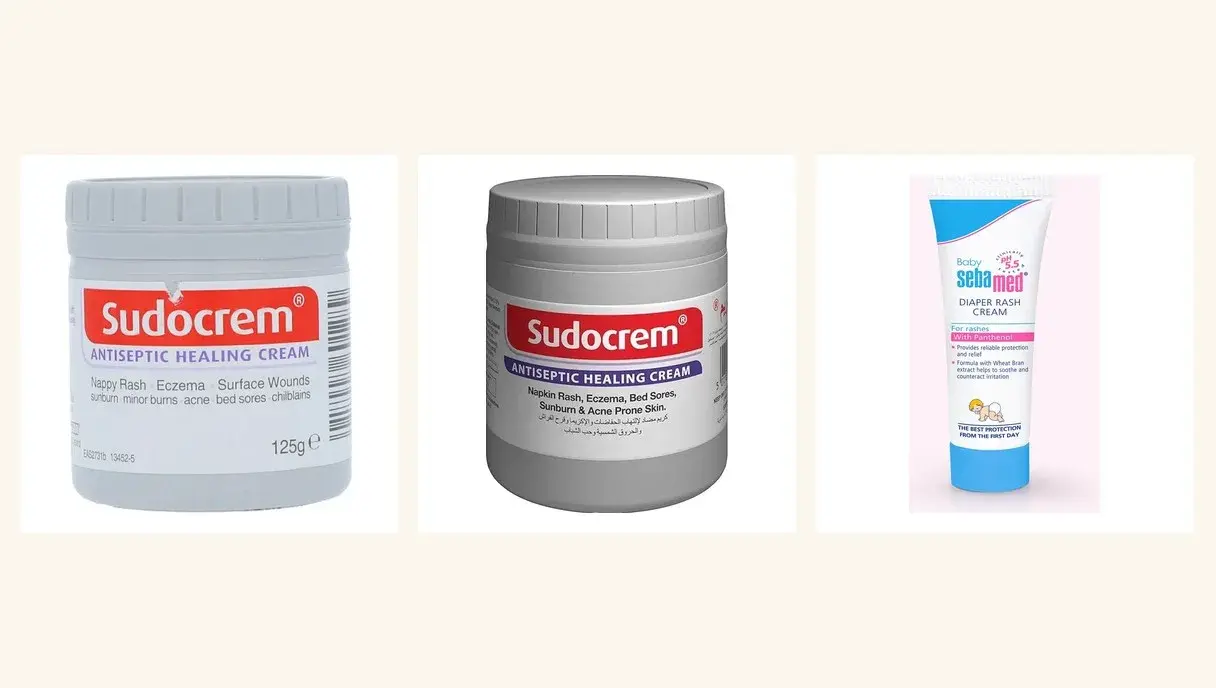
Ask around any Pakistani family and someone has a grey Sudocrem tub in a drawer. It goes on the baby's bottom, then on a cousin's pimple, then on a kitchen burn. Some of those uses are on the label and some are not, and the difference matters, because Sudocrem is a licensed medicine and not a general skin cream.
This guide covers what Sudocrem is, the uses its label lists, how to apply it, which size to buy, and when a rash, cut or burn needs a doctor instead of a cream.
Sudocrem price in Pakistan: the sizes we stock
We stock the original UK Sudocrem Antiseptic Healing Cream in three tub sizes. The cream inside is the same in all three; only the amount changes. Prices below are ours, with cash on delivery across Pakistan.
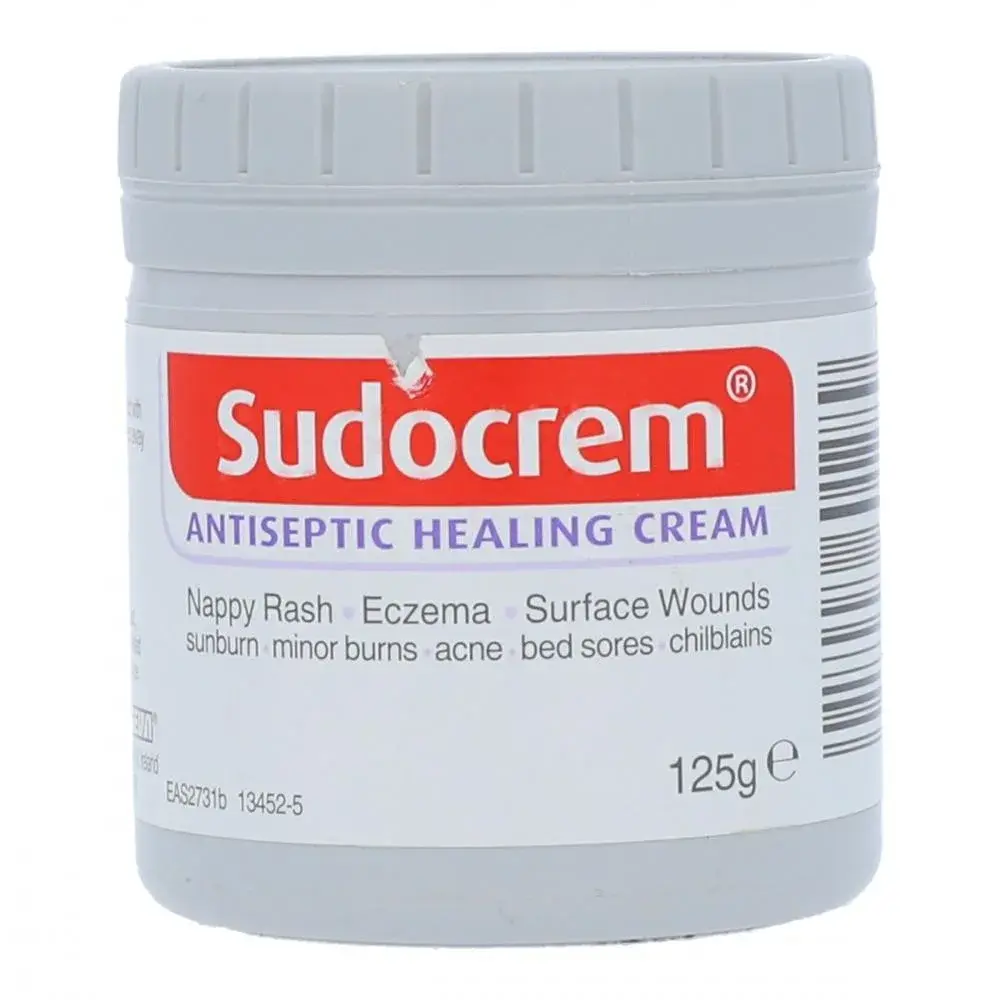
- Sudocrem Antiseptic Healing Cream 125g (Rs 1,595), the everyday home size for nappy changes.
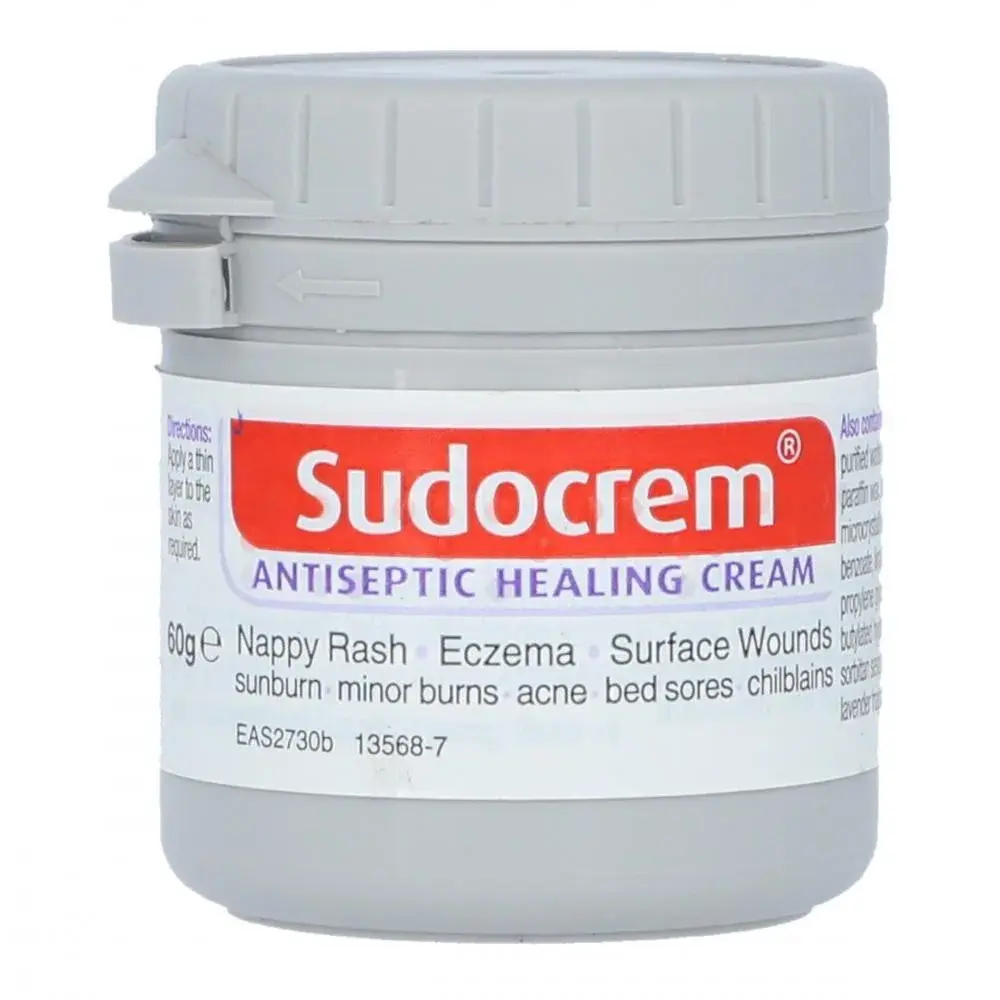
- Sudocrem Antiseptic Healing Cream 60g (Rs 1,195), small enough for the nappy bag or a first try.
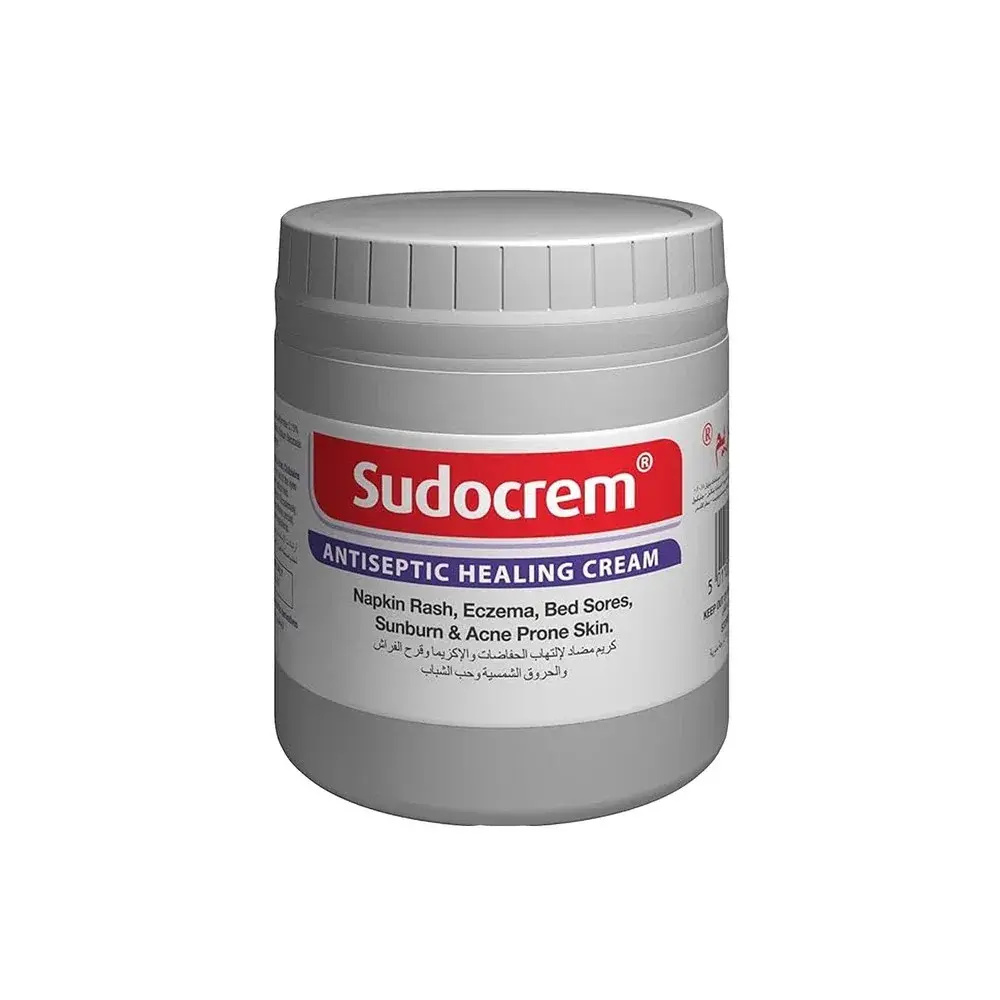
- Sudocrem Antiseptic Healing Cream 250g (Rs 2,995), the best value if the whole family uses it.
Per gram, the 125g and 250g tubs work out almost the same (about Rs 12.8 and Rs 12.0), while the 60g costs about Rs 20 a gram. Unless you go through a lot of cream, the 125g is the sensible buy. You can see all three, plus other nappy creams, in our Nappy & Baby Care section.
What Sudocrem is, and what is in it
Sudocrem is a thick white cream with five active ingredients. The label lists zinc oxide 15.25%, hypoallergenic lanolin 4%, benzyl benzoate 1.01%, benzyl alcohol 0.39% and benzyl cinnamate 0.15%.
On its UK product page, the brand explains the main jobs. Zinc oxide helps reduce the loss of fluid from the skin and forms a protective layer. Lanolin is an emollient that softens and soothes. Benzyl alcohol has local anaesthetic and antiseptic properties, which is why Sudocrem can take the sting out of sore skin.
Because it is licensed for specific conditions, the brand's own advice is short: always read the label. That is the approach this guide takes too.
Sudocrem uses: what the label covers
Sudocrem's UK site says the cream is licensed to treat eight conditions:
- nappy rash
- eczema
- acne
- cuts and grazes
- minor burns
- sunburn
- pressure sores (bedsores)
- chilblains
Anything outside that list, such as fungal infections, deep wounds, dark circles or "whitening", is not something the label supports. Here is how the main uses work in practice.
Nappy rash
This is what most Pakistani parents buy Sudocrem for. Long hours in a nappy, heat and sweat are a reliable recipe for red, sore skin. The brand says the cream treats existing nappy rash and soothes irritated skin.
The cream works best alongside the basics. The NHS nappy rash page advises changing wet or dirty nappies as soon as possible, cleaning with water or fragrance-free, alcohol-free wipes, patting the skin dry and leaving the nappy off when you can. It also says not to use soap, baby lotion, bubble bath or talcum powder on nappy rash.
One honest note. The NHS page suggests a thin layer of barrier cream at each change, and it also advises against antiseptic creams on nappy rash.
Sudocrem's zinc oxide does the barrier job, and the cream is licensed for nappy rash in the UK, but it does contain mild antiseptic ingredients. If your pharmacist or doctor would rather you used a plain barrier cream, the zinc-based Sebamed Baby Diaper Rash Cream 100ml (Rs 4,800) is a zinc oxide barrier with panthenol and allantoin, free of dyes and fragrance.
Eczema
The brand's eczema page gives three steps: clean the area with lukewarm water and pat dry, spread a thin layer, and repeat as often as needed. It is useful for a sore, irritated patch.
Eczema in a baby is different from a one-off rash, though. The NHS says to see a GP if you or your child have symptoms of atopic eczema. For everyday care of very dry, eczema-prone baby skin, many parents use a dedicated moisturiser such as the steroid-free Aveeno Baby Eczema Therapy Moisturising Cream 141g (Rs 4,395). Our eczema guide covers triggers and gentle skincare in more detail.
Cuts and grazes
For small, shallow wounds, Sudocrem's steps are to check the wound is minor, rinse it with water, pat dry, apply a thin layer and cover it with a plaster or gauze. Then watch it. More redness, swelling or warmth, or a wound that is not healing, needs medical attention.
The NHS cuts and grazes page adds clear warning signs: a wound with soil or pus that stays dirty after cleaning, any animal or human bite, a cut longer than about 5cm, or a cut that will not stop bleeding. Those need a doctor, not a cream.
Minor burns and sunburn
Get the order right here. The NHS first aid advice is to hold a burn or scald under cool running water for 20 minutes, as soon as possible. It also says not to put creams, oils or butter on a burn, and not to burst blisters.
So cool the burn first, every time. Sudocrem's label covers minor burns, meaning a small, superficial one that has already been cooled. Anything large, deep, blistered, on the face, hands, genitals or bottom, or caused by chemicals or electricity, goes to a doctor or emergency department. Never use it in place of first aid.
For sunburn, the NHS says a baby or young child with sunburn needs urgent medical advice, as does any sunburn with blistering or swelling. In a Pakistani summer, shade and clothing come first.
Acne
The brand suggests cleaning the skin, then using a fingertip to apply a small amount in circular movements until a thin, see-through layer remains. Some people like it overnight on an angry spot.
For ongoing acne, the NHS points to treatments such as salicylic acid or benzoyl peroxide, and to a GP if spots are many, deep, painful or scarring. Sudocrem is thick and can feel heavy on oily skin, so treat it as a spot treatment, not a face cream. Our acne guide covers a full routine.
How to apply Sudocrem
The label directions are the same for every use: apply a thin layer and smooth it in gently with small circular movements until a thin, translucent film is left. Use it as often as required, and keep it out of the eyes, nose and mouth.
For nappy changes:
- Take off the dirty nappy and clean the area with water or a fragrance-free wipe.
- Pat the skin dry, including the creases. In humid weather, give it a minute in the air.
- Smooth on a thin layer at each change. If you can still see a thick white coat, you have used too much.
- Put on a clean nappy that is not too tight.
A thin layer protects as well as a thick one and is easier to clean off at the next change. That is also why a 125g tub lasts much longer than people expect.
Safety notes before you use it
- Newborns: the brand says the cream is gentle enough to use from birth. MedlinePlus says to contact your baby's doctor if a rash appears in the first 6 weeks after birth, so do not treat a young newborn's rash on your own.
- Allergies: Sudocrem contains lanolin (wool fat) and benzyl compounds. If the skin gets redder, itchier or swollen after use, stop and get advice.
- Broken skin: the label covers minor cuts, grazes and burns. Deep, dirty or bleeding wounds and large or blistered burns need medical care.
- Pregnancy and breastfeeding: Sudocrem is a cream for the skin, but if you are pregnant or breastfeeding and want to use it on a large area or for a long time, ask your pharmacist or doctor first.
- Eyes and mouth: keep it away from both, and do not use it as a lip or eye cream.
- Talc: do not layer baby powder over it. MedlinePlus warns that talc can get into a baby's lungs.
When to see a doctor
Most nappy rash settles with frequent changes, air time and a barrier cream. The MedlinePlus diaper rash page and the NHS both list signs that need a check-up:
- the rash gets worse or does not go away in 2 to 3 days
- it spreads to the tummy, back, arms or face
- you see pimples, blisters, ulcers or sores filled with pus
- your baby has a fever or seems very uncomfortable
- a rash appears in the first 6 weeks after birth
MedlinePlus also notes that rashes caused by candida, a yeast, are very common under nappies. One sign is small red patches around the edge of the main rash that grow and join up. Yeast rashes are treated with antifungal creams, so a barrier cream alone may not clear one: let a doctor or pharmacist look at it.
If your baby's bigger problem is crying rather than skin, our guide to baby colic causes and safe remedies covers what helps and what does not.
Sudocrem vs Sebamed and the other creams we stock
| Product | Size | Our price (at the time of writing) | Main ingredient | Best for |
|---|---|---|---|---|
| Sudocrem Antiseptic Healing Cream | 60g | Rs 1,195 | Zinc oxide 15.25%, lanolin, benzyl alcohol | Nappy bag, first try |
| Sudocrem Antiseptic Healing Cream | 125g | Rs 1,595 | Same cream | Daily nappy changes at home |
| Sudocrem Antiseptic Healing Cream | 250g | Rs 2,995 | Same cream | Heavy use, whole family |
| Sebamed Baby Diaper Rash Cream | 100ml | Rs 4,800 | Zinc oxide with panthenol and allantoin, pH 5.5 | Sensitive bottoms, fragrance-free barrier |
| Aveeno Baby Eczema Therapy Moisturising Cream | 141g | Rs 4,395 | Colloidal oatmeal 1%, steroid free | Very dry, itchy, eczema-prone skin |
How to choose
- Nappy rash on a budget: Sudocrem 125g. It is the most cream for the money among the zinc creams we sell.
- Very sensitive skin, or your doctor wants a plain barrier: Sebamed Baby Diaper Rash Cream. It costs more and is free of dyes and fragrance.
- Dry patches on cheeks, arms and legs: a moisturiser, not a nappy cream. The Aveeno Eczema Therapy cream is made for this.
- One tub for the whole house: Sudocrem 250g, kept with the first aid kit and used only for what the label lists.
You will find all of these, plus baby bath and feeding products, in our Baby department.
More guides in this series
Sources
Frequently asked questions
What is Sudocrem used for?
The label lists nappy rash, eczema, acne, cuts and grazes, minor burns, sunburn, pressure sores and chilblains. In Pakistan most families buy it for nappy rash and keep it for small first aid jobs. Use it only for those conditions.
Can I use Sudocrem on my face?
For a spot or a small sore patch, yes: the brand lists acne and eczema. Use a thin layer on the affected area only and keep it away from the eyes and mouth. It is too heavy to use as an everyday face moisturiser, and it is not a whitening or anti-ageing cream.
Is Sudocrem safe for newborns?
The brand says it is gentle enough to use from birth. But a rash in the first 6 weeks should be seen by a doctor, according to MedlinePlus, so check with your paediatrician before treating a very young baby yourself.
Can I put Sudocrem on a burn?
Cool the burn under running water for 20 minutes first, as the NHS advises. Sudocrem is only for minor, superficial burns after that. Large, deep, blistered or chemical burns, and any burn on a baby's face or hands, need a doctor.
Which Sudocrem size should I buy?
The cream is identical in every size. The 125g tub at Rs 1,595 (at the time of writing) is the best everyday choice, the 60g suits the nappy bag, and the 250g makes sense if you use it often.
Is your Sudocrem original?
Yes. We sell imported UK Sudocrem and you pay cash on delivery, so you can check the tub, the batch code and the expiry date when it arrives. If an order arrives damaged, our returns page explains how to get it replaced.
Liked this one? Get the next in your inbox.
One fortnightly note from the editors, new pieces, restocks, and the routines we're actually using. Unsubscribe any time.