Best Baby Feeder in Pakistan: Avent vs Tommee Tippee vs Pigeon
Baby feeder bottles in Pakistan compared: Philips Avent, Tommee Tippee and Pigeon, with teat flow sizes, anti-colic designs and safe sterilising.
Walk into any pharmacy in Lahore or Karachi and ask for a baby feeder, and you will be shown a wall of bottles at every price. Here is something the packaging will not tell you: the NHS says there is no evidence that one type of bottle or teat is better than any other, and that simple bottles that are easy to wash and sterilise are probably best.
The right feeder is the one your baby accepts, with a teat flow that suits their age, that you can keep properly clean. This guide compares the Philips Avent, Tommee Tippee and Pigeon bottles we stock, explains anti-colic designs and teat sizes, and covers safe sterilising with Pakistani water.
Our quick picks
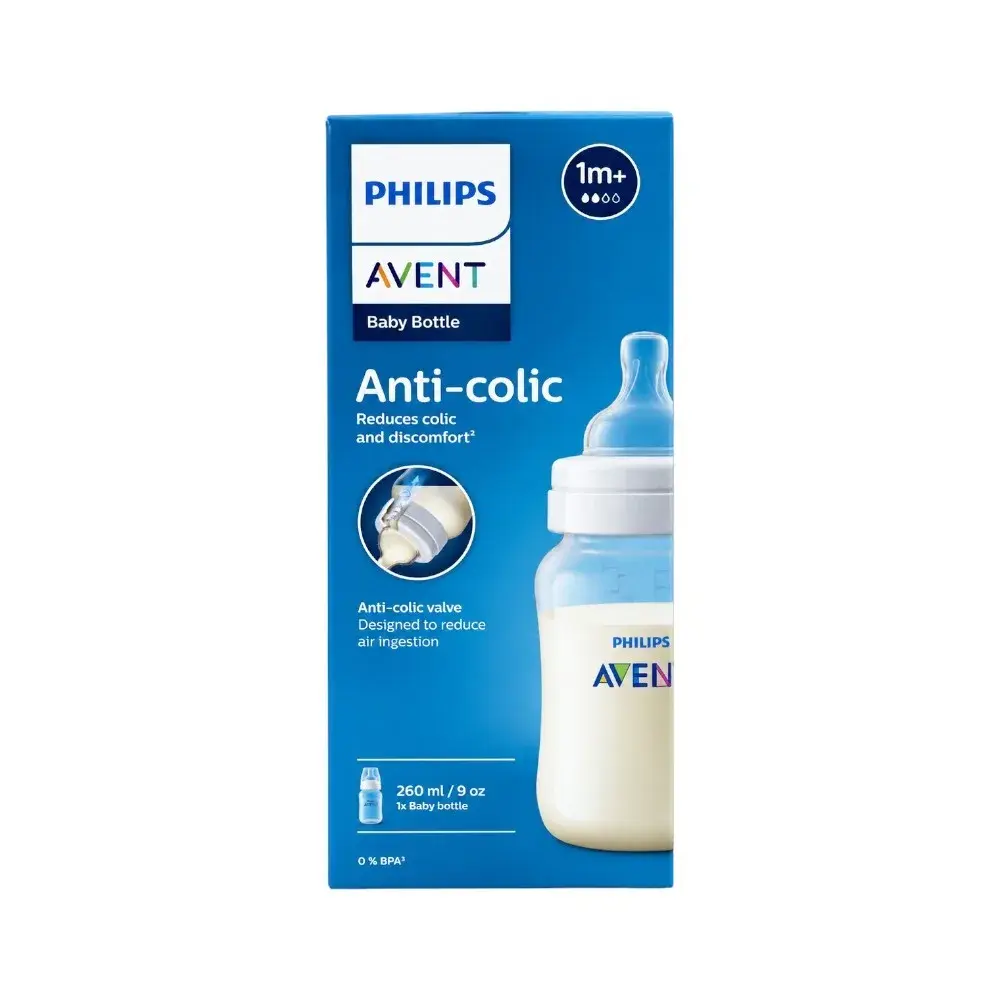
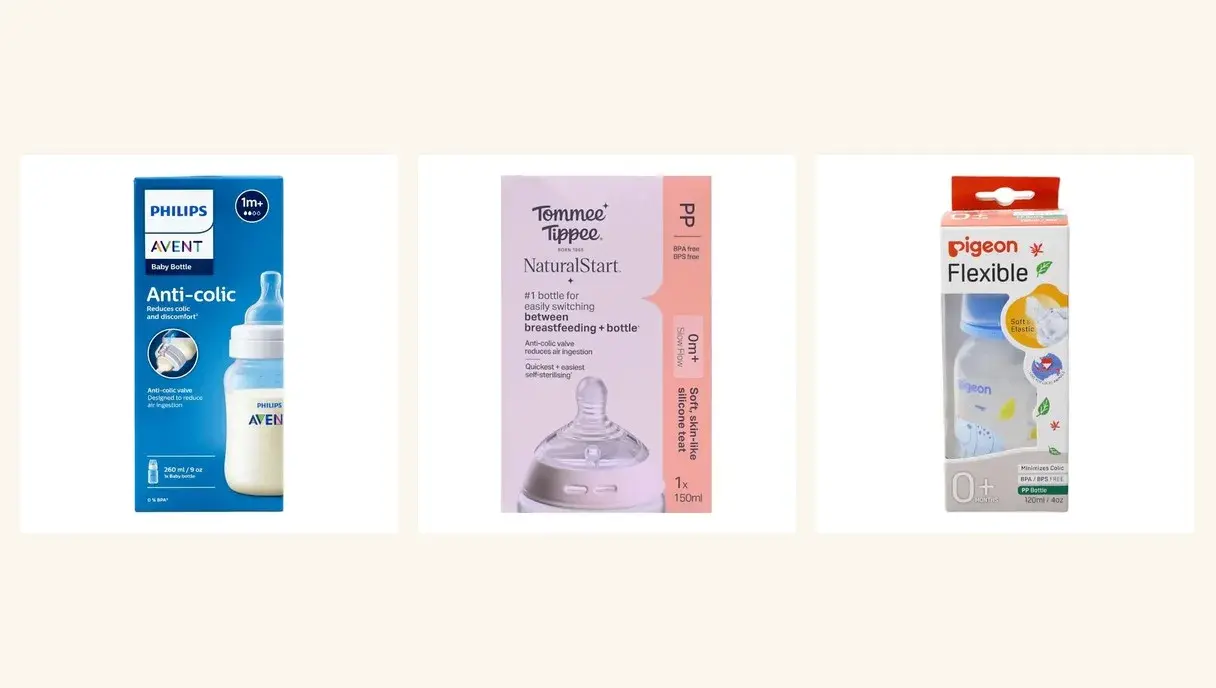
- Philips Avent Anti-colic Feeding Bottle 260ml (Rs 3,295), the Avent feeder parents ask for by name, with a valve built into the teat.
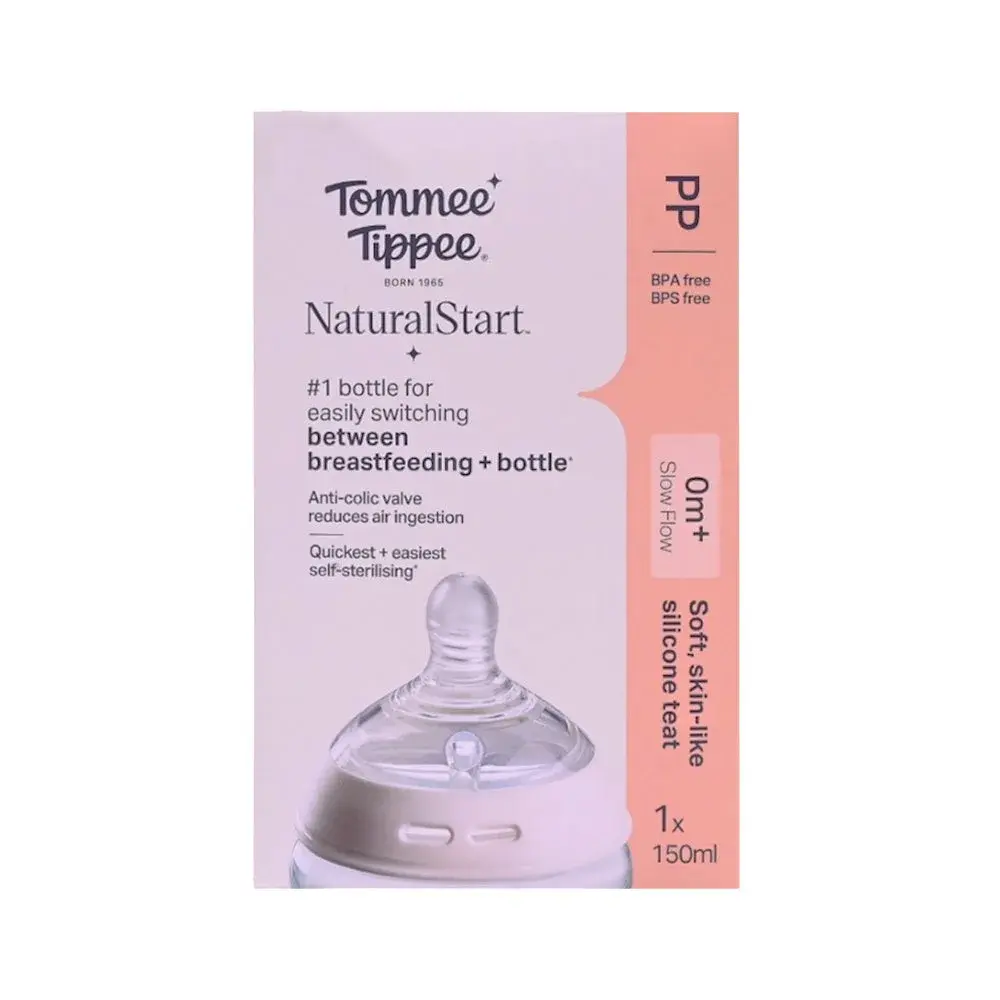
- Tommee Tippee Natural Start Feeding Bottle 150ml (Rs 2,895), a small newborn bottle with a soft, breast-shaped teat.
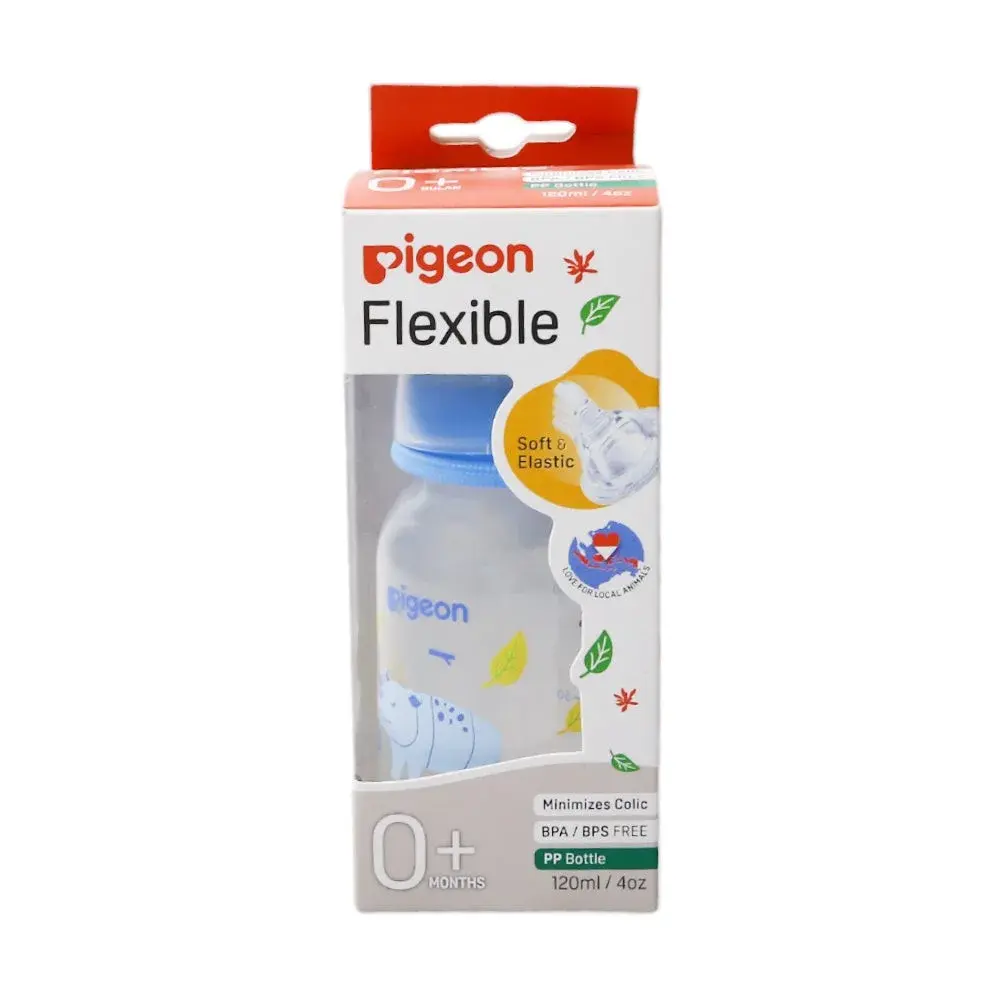
- Pigeon Flexible Feeding Bottle 120ml (Rs 1,545), the budget newborn pick with a slow SS teat.
All the feeders below are in our Teethers & Feeding section, and every one is listed as BPA free.
Baby feeder bottles compared
| Bottle | Size | Teat in the box | Design | Our price (at the time of writing) |
|---|---|---|---|---|
| Pigeon Flexible | 120ml | SS (slow), from birth | Soft flexible teat with air vent | Rs 1,545 |
| Pigeon Flexible | 240ml | M, from 4 months | Soft flexible teat with air vent | Rs 1,695 |
| Tommee Tippee Natural Start | 150ml | Newborn teat, from birth | Breast-shaped teat, anti-colic valve | Rs 2,895 |
| Tommee Tippee Natural Start | 260ml | Medium flow, from 3 months | Breast-shaped teat, anti-colic valve | Rs 2,995 |
| Philips Avent Anti-colic | 260ml | 1m+ | Valve in the teat vents air into the bottle | Rs 3,295 |
| Philips Avent Natural Response | 260ml | 1m+ | Wide teat that flows only when baby sucks | Rs 3,995 |
Philips Avent vs Tommee Tippee vs Pigeon
Philips Avent
Avent is the name most Pakistani parents search for, and we stock its two main bottles. The Anti-colic bottle has a valve built into the teat. On its product page, Philips says the valve vents air into the bottle rather than into baby's tummy.
The brand also says that in its study, babies fed with an Avent bottle showed less colic and less night-time fussing at 2 weeks than babies on another leading bottle. That is the company's own claim, so weigh it against the NHS view above.
The Natural Response bottle (Rs 3,995) has a wide, soft teat. Philips says the teat releases milk only when baby actively drinks, so baby can feed at their own rhythm. That makes it a common choice for families mixing breast and bottle. Both Avent bottles come with a 1m+ teat, and Philips sells other flow rates separately.
Tommee Tippee
Tommee Tippee's Natural Start bottle is the newer version of its well-known Closer to Nature range. The teat is wide and soft, and the brand says it has a breast-like shape that encourages a natural latch. A valve lets air into the bottle so baby is not sucking against a vacuum.
We stock two sizes: the 150ml for newborns, and the 260ml with a medium flow teat (Rs 2,995) for babies from about 3 months. If you are starting from birth, buy the 150ml first.
Pigeon
Pigeon, a Japanese brand, is a familiar name on Pakistani pharmacy shelves, and the Flexible bottle is its everyday feeder. The teat is soft and stretchy with an air vent, and the bottles are light. The 120ml comes with the slow SS teat for newborns, and the 240ml comes with an M teat (Rs 1,695) for babies from about 4 months.
Pigeon is the most affordable of the three, which matters if you want several bottles. It has no separate valve system, so there are fewer parts to wash.
Anti-colic bottles: what they can and cannot do
Colic is when a baby cries a lot for no obvious reason. The NHS describes it as crying more than 3 hours a day, 3 days a week, for at least a week, in an otherwise healthy baby, and says it usually stops by 3 to 4 months. Its cause is not fully known.
An anti-colic valve aims to cut the air a baby swallows while feeding. That may help a windy baby, but no bottle cures colic. The NHS advice that helps any bottle work better:
- Hold your baby semi-upright during feeds, with their head supported.
- Keep the bottle close to horizontal, just slightly tipped, so milk flows steadily and less air goes in.
- Let baby take breaks, and wind them after the feed by holding them upright and gently rubbing their back.
- Never prop a bottle and leave a baby to feed alone, because they can choke.
The NHS also says anti-colic drops and herbal remedies are not recommended, as there is no evidence they help. Our guide to baby colic causes and safe remedies goes through what does help, and when crying needs a doctor.
Teat flow sizes: start slow
The teat matters more than the bottle. Each brand labels flow by age or letter: Pigeon uses SS for newborns and M from around 4 months, Tommee Tippee pairs a slow teat with its 150ml bottle and a medium teat with the 260ml, and Avent marks its teats by age, such as 1m+.
Treat the age on the pack as a guide and watch your baby instead:
- Too fast: coughing, spluttering, milk running out of the corners of the mouth, or bringing up feeds. The NHS notes that drinking too quickly can make a baby sick and suggests checking the teat hole is not too big.
- Too slow: baby gets frustrated, pulls off, or a feed drags on far longer than usual. If the teat goes flat mid-feed, the NHS says to gently pull the corner of baby's mouth to release the suction.
Use the teats made for your bottle, since they are not interchangeable between brands. Check them before each use: the NHS warns that teats wear faster if you sterilise by boiling, and a torn or cracked teat should be thrown away.
How many bottles does a newborn need?
The NHS simply says you will need several bottles and teats, a bottle brush and a way to sterilise them. It also notes that babies tend to feed little and often, and that newborns need quite small amounts at first.
The practical way to decide is to count the feeds you give between two sterilising rounds, then add one spare for the bottle that rolls under the bed. A baby who is mostly breastfed may only need one or two for expressed milk. A fully formula-fed baby needs more, especially at night or during load-shedding when you cannot run a steriliser.
Do not buy six of one kind on day one. Some babies refuse a particular teat, so buy one or two, see how your baby feeds, then add more of the one that works. The WHO recommends exclusive breastfeeding for the first 6 months where possible, and a good bottle can sit alongside that for expressed milk.
Sterilising and water: doing it safely in Pakistan
The NHS sterilising guide says to sterilise all feeding equipment until your baby is at least 12 months old, to protect against infections such as diarrhoea and vomiting. Every brand above can be sterilised, and you do not need an electric steriliser to do it.
Step 1: wash first
Clean bottles and teats in hot, soapy water soon after each feed, using a bottle brush kept only for this and a small teat brush. Do not use salt to clean teats: the NHS says this can be dangerous for your baby. Rinse in clean running water. A dishwasher cleans but does not sterilise.
Step 2: sterilise
- Boiling: the cheapest method and fine in any kitchen. Boil the bottles and teats in a large pan for at least 10 minutes, with everything kept under the water. Check first that the items are safe to boil.
- Cold-water solution: leave everything in the solution for at least 30 minutes and change it every 24 hours.
- Steam (electric or microwave): follow the steriliser maker's instructions.
Leave sterilised bottles in the pan or steriliser until you need them, or put the teats and lids on straight away.
Step 3: the water for formula
The NHS advice assumes safe UK tap water. In much of Pakistan, tap water is not safe to drink as it comes, so start with the safest drinking water you have, such as filtered or treated water. The NHS steps that still apply: use freshly boiled water, never water boiled before, and let it cool for no more than 30 minutes so it stays at 70C or above, hot enough to kill bacteria in the powder.
Then add the formula, cool the closed bottle under cold running water, and test a few drops on your wrist.
The NHS says bottled water is not usually recommended because it can be high in salt or sulphate, but can be used when drinking water is unavailable or contaminated, still following the same boiling steps. If you use it, pick a brand with low sodium on the label. The WHO guidelines on preparing powdered infant formula include a section written for parents at home.
Heat, travel and load-shedding
- Make up one feed at a time and throw away any milk left after a feed.
- Made-up formula at room temperature must be used within 2 hours, the NHS says. In a Karachi or Multan summer, do not stretch this.
- Never warm formula in a microwave, as it heats unevenly and can burn baby's mouth.
- For night feeds or power cuts, the NHS says a full, sealed vacuum flask of freshly boiled water stays above 70C for several hours. Carry the measured powder separately and mix when needed.
The full step-by-step method is on the NHS formula page.
BPA free: what it means
BPA (bisphenol A) is a chemical used mainly to make polycarbonate plastic. The US National Institute of Environmental Health Sciences says BPA can leach from polycarbonate products, including baby bottles, and that the amount may depend more on the temperature of the liquid than the age of the bottle. Its advice for parents who want to reduce exposure includes using BPA-free baby bottles and not microwaving polycarbonate containers.
Every feeder we stock is listed as BPA free. Be wary of unbranded bottles with no material or brand information on the pack, because you cannot tell what they are made of.
How to choose a baby feeder
- Newborn, budget first: Pigeon Flexible 120ml with the SS teat.
- Newborn, mixing breast and bottle: Tommee Tippee Natural Start 150ml, or Avent Natural Response once baby is a month old.
- Windy baby who gulps air: Philips Avent Anti-colic 260ml, with the feeding position tips above.
- Bigger feeds from 3 to 4 months: Tommee Tippee 260ml (medium flow) or Pigeon 240ml (M teat).
Browse all feeding products in our Baby department, with cash on delivery across Pakistan.
More guides in this series
Sources
- NHS: Bottle feeding advice
- NHS: Sterilising baby bottles
- NHS: How to make up baby formula
- NHS: Colic
- WHO: Safe preparation, storage and handling of powdered infant formula
- WHO: Breastfeeding
- NIEHS: Bisphenol A (BPA)
- Philips: Avent Anti-colic baby bottle
- Philips: Avent Natural Response bottle
- Tommee Tippee: Natural Start baby bottle
Frequently asked questions
Which feeder is best for a newborn in Pakistan?
A small bottle with a slow teat. The Pigeon Flexible 120ml (SS teat) and the Tommee Tippee Natural Start 150ml are both made for newborns. The NHS says no bottle type has been shown to be better, so pick one that is easy to clean and that your baby takes well.
Is Philips Avent better than Pigeon?
Not in any proven way. Avent's bottles have features some families like, such as the anti-colic valve and the Natural Response teat, and they cost more. Pigeon is simpler and cheaper. If your baby feeds well and the bottle is kept clean, either is fine.
Do anti-colic bottles stop colic?
No bottle stops colic. Anti-colic valves aim to reduce swallowed air, which can help a windy baby. Holding baby upright during feeds and winding them afterwards, as the NHS advises, matters just as much.
Can I boil feeder bottles to sterilise them?
Yes, if the items are safe to boil. The NHS says to boil them for at least 10 minutes, fully under water. Teats wear out faster this way, so check them often and replace any that are torn or cracked.
Can I use mineral water to make formula?
The NHS does not usually recommend bottled water because of its salt and sulphate content, but says it can be used when safe drinking water is not available. Boil it the same way, use it at 70C or above, and choose one with low sodium.
Liked this one? Get the next in your inbox.
One fortnightly note from the editors, new pieces, restocks, and the routines we're actually using. Unsubscribe any time.