Multani Mitti: Real Benefits, Face Packs and the Myths to Drop
Multani mitti benefits for oily and acne-prone skin are real, but half of what you have heard is myth. Here is what the clay does and what it costs.
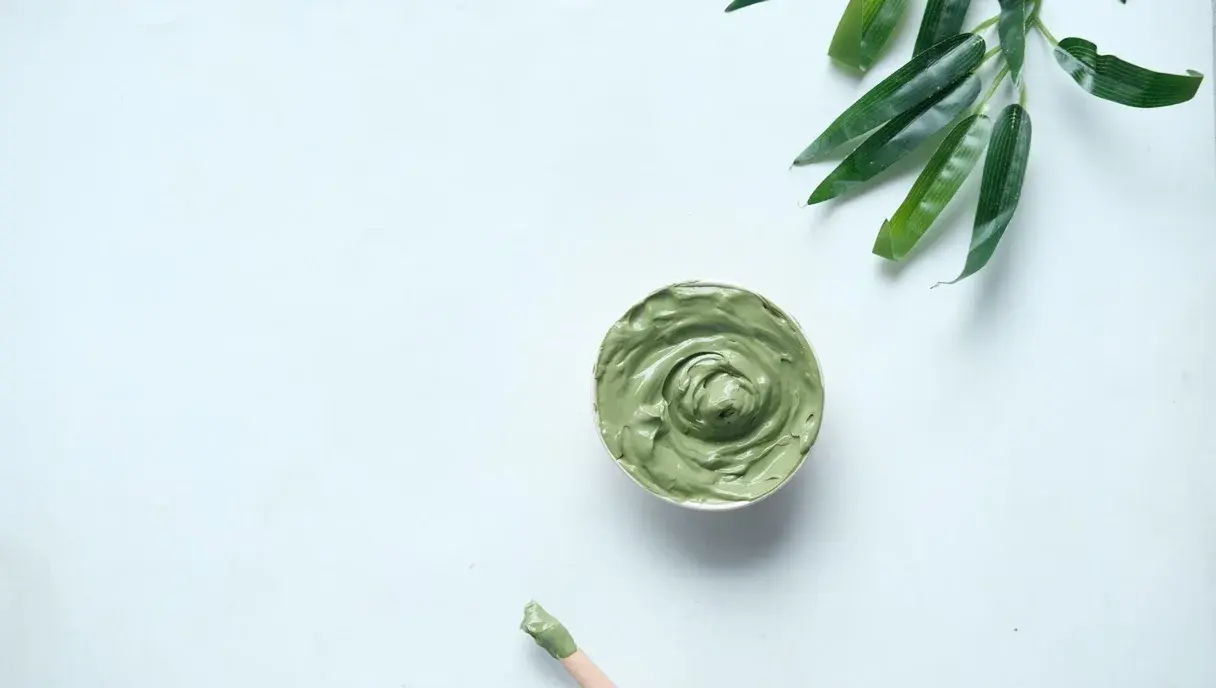
The clay is named after Multan, sits in almost every Pakistani home at some point, and costs less than a plate of biryani. Multani mitti (fuller's earth) is probably the first skincare product most of us ever used, mixed in a steel bowl by a mother or nani who promised it would fix everything from pimples to "rang saaf karna".
Some of that promise is real. Some of it is myth that keeps getting repeated. This guide separates the two and shows you how to use the clay properly for your skin type. It also covers what the clay should cost in Pakistan, so nobody charges you a designer price for plain mineral powder.
Shop the picks in this guide (5)
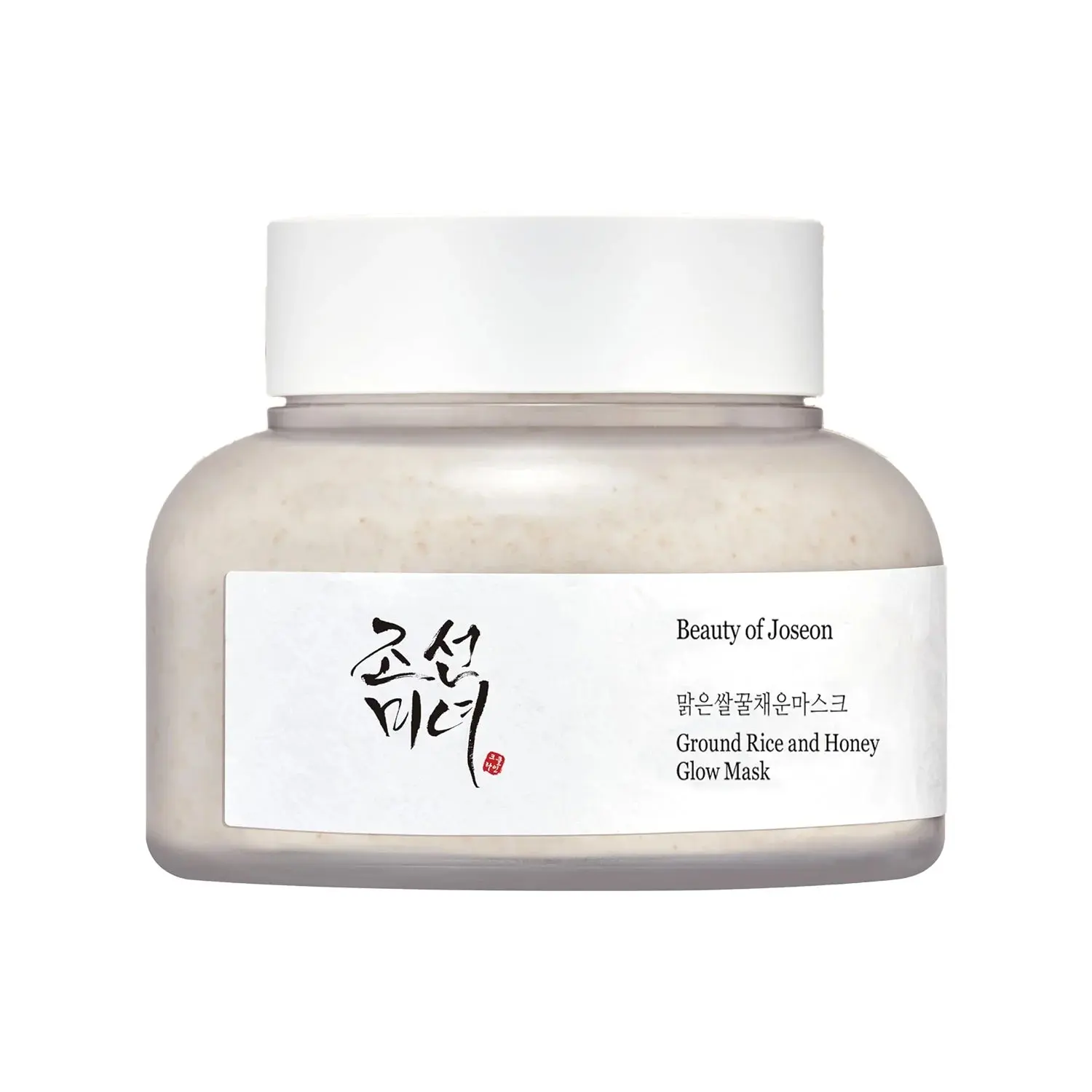
- Beauty of Joseon Ground Rice & Honey Glow Mask 150ml, Rs 3,999, a clay mask buffered with rice and honey, so dry skin can use it too
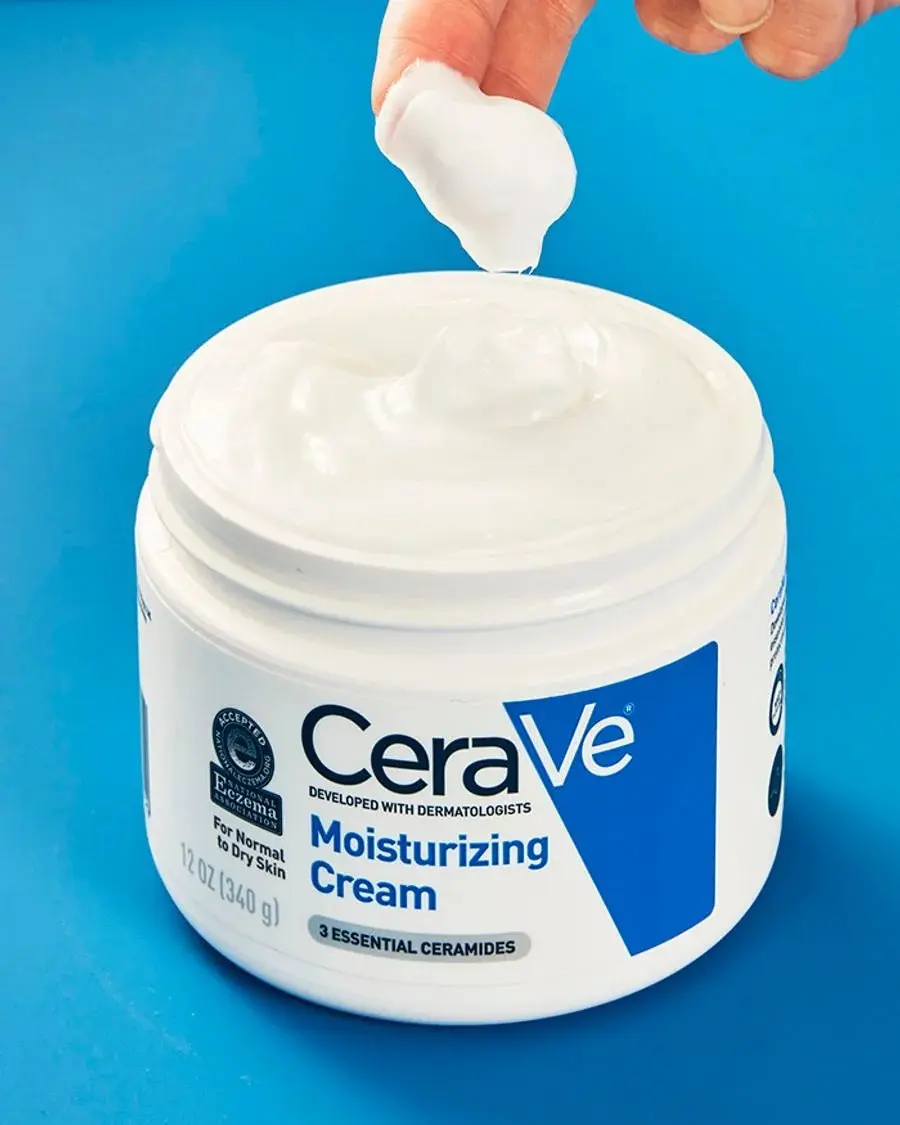
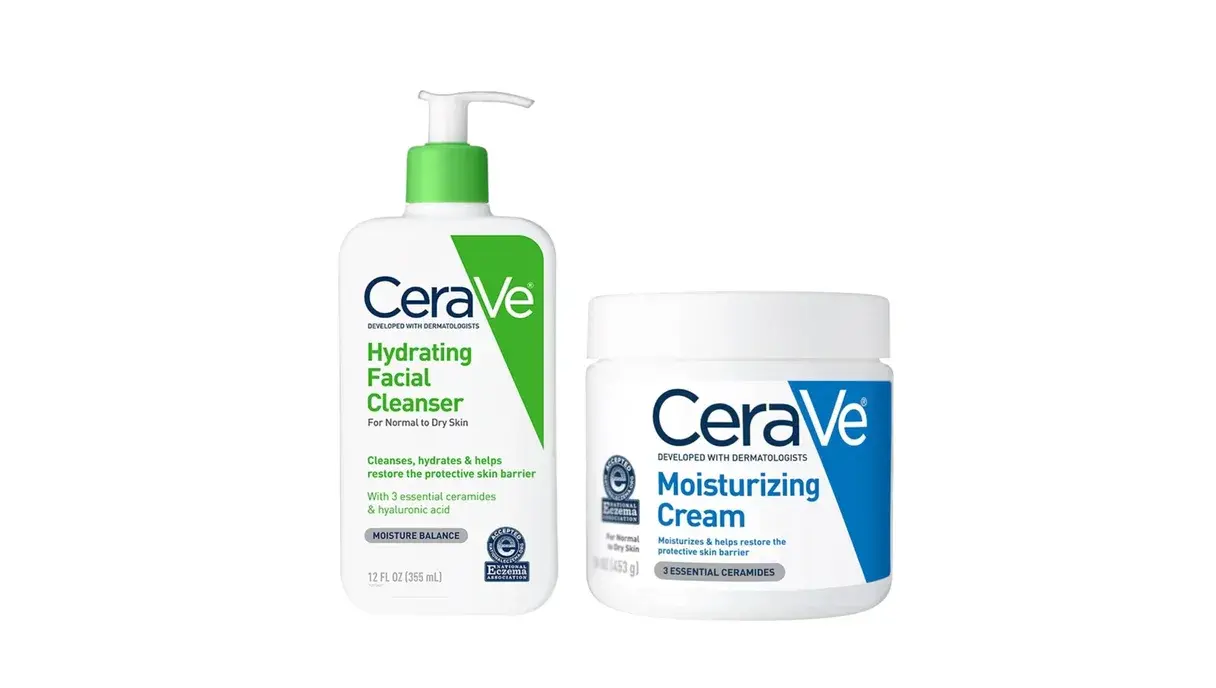
- CeraVe Moisturizing Cream 340 Grams, Rs 6,500, the step to do straight after a clay pack
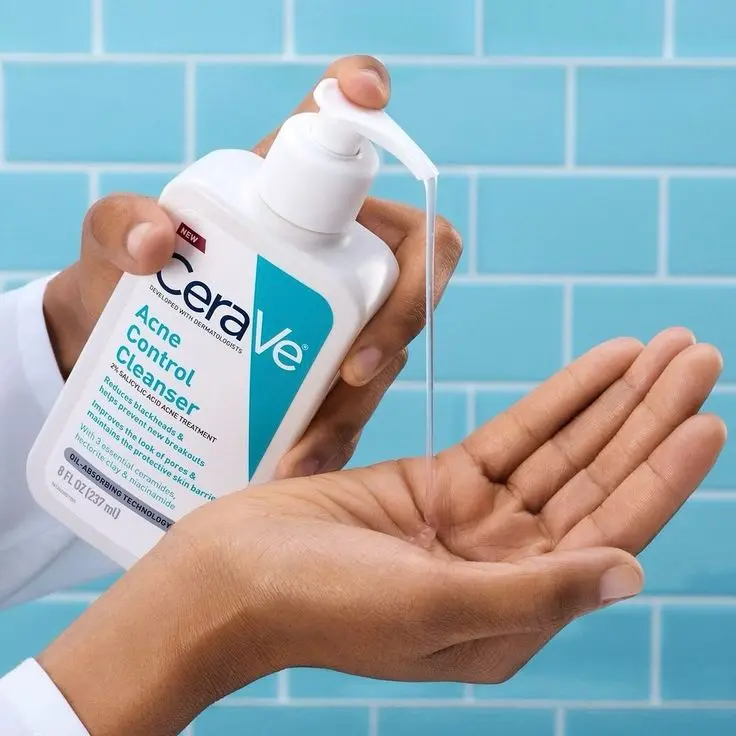
- CeraVe Acne Control Cleanser, Rs 6,590, 2% salicylic acid plus clay for daily oil control
- The Ordinary Salicylic Acid 2% Solution 30ml, Rs 2,800, for the breakouts clay cannot reach
- Medicube Kojic Acid Turmeric Brightening Gel Mask 75ml, Rs 4,780, for pigmentation, which clay does not touch
What multani mitti actually is
Multani mitti is a soft mineral clay, rich in hydrated aluminium silicates and magnesium, historically dug around Multan. The English name is fuller's earth, because textile workers ("fullers") once used it to soak grease out of wool. That history tells you its real superpower: absorption. The clay pulls oil, sweat and grime out of whatever it touches, which is exactly what it does on your face.
It is close cousin to the bentonite and kaolin clays you see in imported masks. The difference is mostly refinement and price: multani mitti from a pansar store is the raw, unfancy version of what K-beauty brands package with actives and perfume.
The benefits that are real
For oily and combination skin, the clay earns its reputation. Here is what it can honestly do:
- Oil control. A weekly pack visibly mattifies oily skin for a day or two. In Karachi or Lahore humidity, especially through monsoon season, this is the cheapest shine control you can buy. If you want the same effect daily rather than weekly, a wash with salicylic acid and clay in it, like the CeraVe Acne Control Cleanser, does that job every morning without the ritual.
- Deep cleaning. As the wet clay dries, it lifts sebum and dirt out of pores. Blackhead-prone noses and chins benefit the most. Pores look smaller afterwards because they are cleaner, and we cover the honest limits of that in our guide to minimising open pores.
- Help with mild, oily-skin breakouts. By absorbing excess sebum, it makes the skin a less comfortable home for the clogging that leads to whiteheads and small pimples. It is support, not treatment. Real acne needs actives like salicylic acid (The Ordinary Salicylic Acid 2% Solution is the cheap way in), which we explain in our complete acne guide.
- Gentle exfoliation. Rinsing the pack off buffs away dead surface cells, which is why skin looks brighter and feels smoother straight after.
- Cooling. The wet clay genuinely cools hot, irritated summer skin. After a day in June sun it is more soothing than most things in your fridge.
What it cannot do
Now the myths. Multani mitti does not whiten skin. The glow after a pack is clean, exfoliated skin reflecting light better; your actual complexion is set by melanin, and no clay changes that. If pigmentation is your real concern, ingredients with evidence behind them (niacinamide, vitamin C, kojic acid) do more, and our honest review of skin whitening home remedies covers which desi totkay hold up.
It also does not remove acne scars, permanently shrink pores, or cure severe acne. And it is not a daily product. Used too often it strips the skin, which pushes oily skin to produce even more oil. One tired cycle, quietly created by overuse.
How to make a multani mitti face pack
The base recipe is one tablespoon of powder with enough liquid to make a smooth paste, like thick yogurt. Apply a thin layer, avoid the eye and lip area, and rinse with normal water after 10 to 15 minutes, before it turns bone-dry and starts cracking. Fully cracked clay is over-dried clay, and it takes your skin's moisture with it.
Match the liquid to your skin:
| Skin type | Mix with | How often |
|---|---|---|
| Oily | Rose water (arq-e-gulab) | Once a week |
| Combination | Rose water, on the T-zone only | Once a week |
| Acne-prone | Rose water plus a small pinch of haldi | Once a week |
| Normal | Milk or plain dahi | Every 10 to 14 days |
| Dry or sensitive | Honestly, skip it (see below) | Rarely, if ever |
Whatever your type, moisturise straight after rinsing. Clay leaves skin slightly parched even when used correctly, and sealing in water afterwards is what keeps the routine balanced. A ceramide cream like CeraVe Moisturizing Cream (340g), Rs 6,500, does this well without clogging the pores you just cleaned.
Who should skip it
Dry, sensitive and eczema-prone skin should stay away from regular clay masks. Multani mitti absorbs moisture without asking whether you had any to spare, and on dry skin that means tightness, redness and flaking. The same caution applies to everyone in winter, when Pakistani indoor air plus cold wind already strips skin. If you are on retinol or strong exfoliating acids, add clay carefully or not at all; your barrier is doing enough work.
Patch test the first time, on the jaw, and skip broken or sunburnt skin entirely.
Multani mitti price in Pakistan (2026)
This should be a cheap remedy. If someone is charging you thousands of rupees for plain clay, walk away. Here is roughly what it goes for:
| Option | Size | Price (PKR) | What you get |
|---|---|---|---|
| Saeed Ghani Multani Mud Powder | 100g | Rs 255 (list Rs 300) | Clay pre-blended with rose water, sandalwood and herbs |
| Online pansar stores (plain fuller's earth) | 100g to 500g | Rs 200 to Rs 750 | Plain powdered clay, mix your own |
| Loose bazaar tikkis | Varies | Cheapest option | Unbranded lumps; quality and cleanliness vary, grind and sieve before use |
We do not sell multani mitti, so these are other people's prices: checked at major retailers and online pansar listings in August 2026. Plain clay is a commodity and the figures move, so treat them as a range to sanity-check against, not a quote.
One practical note on the loose tikkis: they are the traditional buy, but they are unwashed mineral dug from the ground. Branded powder from a known name costs a little more and is sieved, cleaner and easier to mix.
Multani mitti vs modern wash-off masks
Should you bother with imported masks when plain clay costs a few hundred rupees? It depends what job you are hiring the mask for. For pure oil absorption, multani mitti is very hard to beat on price, and many imported clay masks are doing the same absorbing in a nicer texture.
Modern wash-off masks earn their price when they add things plain clay does not have. The Beauty of Joseon Ground Rice & Honey Glow Mask (150ml), Rs 3,999, is still a clay mask, but the ground rice and honey buffer it, so it polishes and conditions while it cleans and normal or dry skin can use it where raw clay would punish them.
The Medicube Kojic Acid Turmeric Brightening Gel Mask (75ml), Rs 4,780, goes after pigmentation with kojic acid, which is a job clay simply cannot do. A sensible routine for oily Pakistani skin is clay for the weekly deep clean and an active-based product for the specific concern.
Eating multani mitti: please do not
This needs saying plainly, because the craving is common here, especially during pregnancy, and plenty of people search for its "benefits". Eating multani mitti has no health benefits. It is soil. It can carry lead and other heavy metals, it can carry germs, it binds iron in the gut so it worsens the anaemia many Pakistani women already have, and it causes constipation and can block the intestine in serious cases.
A strong craving to eat clay (pica) is itself often a sign of iron deficiency, so the craving is a reason to get your haemoglobin checked, not a reason to eat the clay. If this is you or someone at home, mention it to a doctor without embarrassment; it is common and treatable.
Frequently asked questions
What is multani mitti called in English?
Fuller's earth. The name comes from textile workers called fullers, who used the clay to absorb grease from wool. If an imported product lists fuller's earth, it is the same family of clay.
Can I use multani mitti on my face every day?
No. Daily use over-dries the skin and usually makes oiliness worse over time. Once a week is right for oily skin, and less often for everyone else.
Does multani mitti whiten skin?
No. It brightens by removing oil, grime and dead cells, so skin looks fresher for a day or two. It does not lighten your actual skin tone, and nothing applied for 15 minutes a week will.
Is multani mitti good for acne?
It helps mild, oily-skin breakouts by absorbing the excess sebum that clogs pores. It does not treat moderate or severe acne. For that you need proven actives such as salicylic acid, and stubborn cases belong with a dermatologist.
What are the side effects of multani mitti?
Dryness, tightness, redness and flaking, almost always from using it too often, leaving it on too long, or using it on skin that was already dry. Used weekly on oily skin and followed by moisturiser, it is very well tolerated.
Is eating multani mitti good for health?
No. It can contain lead and germs, it blocks iron absorption, and the craving for it is often a sign of iron deficiency that deserves a blood test. Eating it is particularly risky in pregnancy.
This article is for education and does not replace medical advice. Speak to a doctor or pharmacist about your own situation.
Not sure whether your skin is oily, dry or combination in the first place? Take our free 2-minute skin quiz and get a routine matched to your skin, budget included.
If you take one thing from this guide, make it the step after the clay. Moisturise with CeraVe Moisturizing Cream at Rs 6,500, and if you want a wash-off mask that does more than absorb, the rest of the range is in cleansers and treatments. Cash on delivery across Pakistan, and delivery is free over Rs 5,000 in Punjab.
Liked this one? Get the next in your inbox.
One fortnightly note from the editors, new pieces, restocks, and the routines we're actually using. Unsubscribe any time.