Whitening Injections in Pakistan: Real Prices, Real Risks, and What the Evidence Says
What whitening injections and gluta drips cost in Pakistan, what the evidence on glutathione actually shows, and the risks clinic ads leave out.
Open Instagram in Pakistan and within ten minutes you will see one: a clinic ad promising "permanent full body whitening" with a dramatic before and after, a bridal package deadline, and a WhatsApp number. Glutathione injections and "gluta drips" have become one of the most searched beauty treatments in the country, and one of the most expensive. Before you transfer a deposit, here is what the ads leave out: what these injections actually cost once you count every session, what the medical evidence really shows, and why no drug regulator in the world has approved a single injection for skin whitening.
Shop the picks in this guide (5)
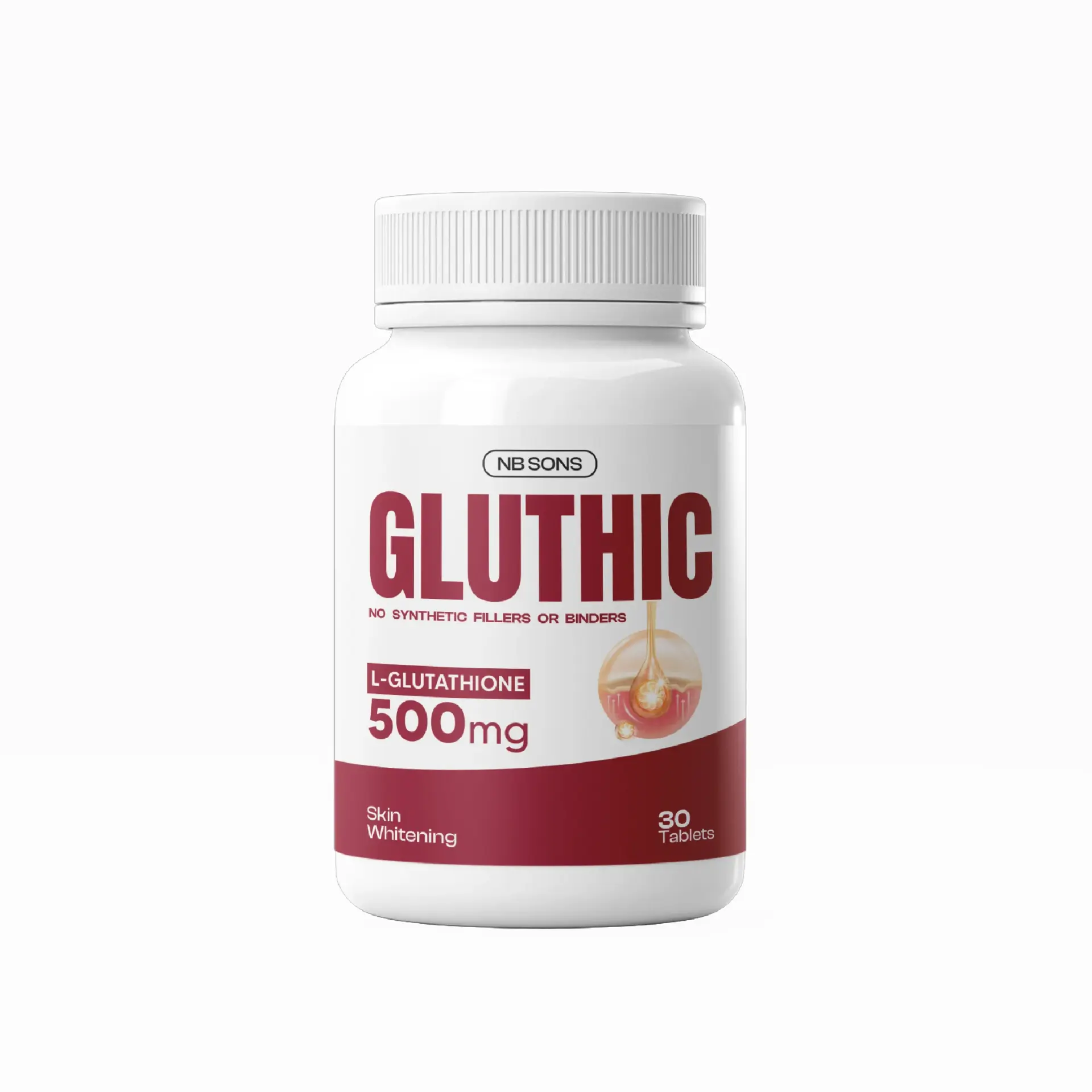
- Gluthic Glutathione Tablets, Rs 3,500, the oral route the small trials actually used
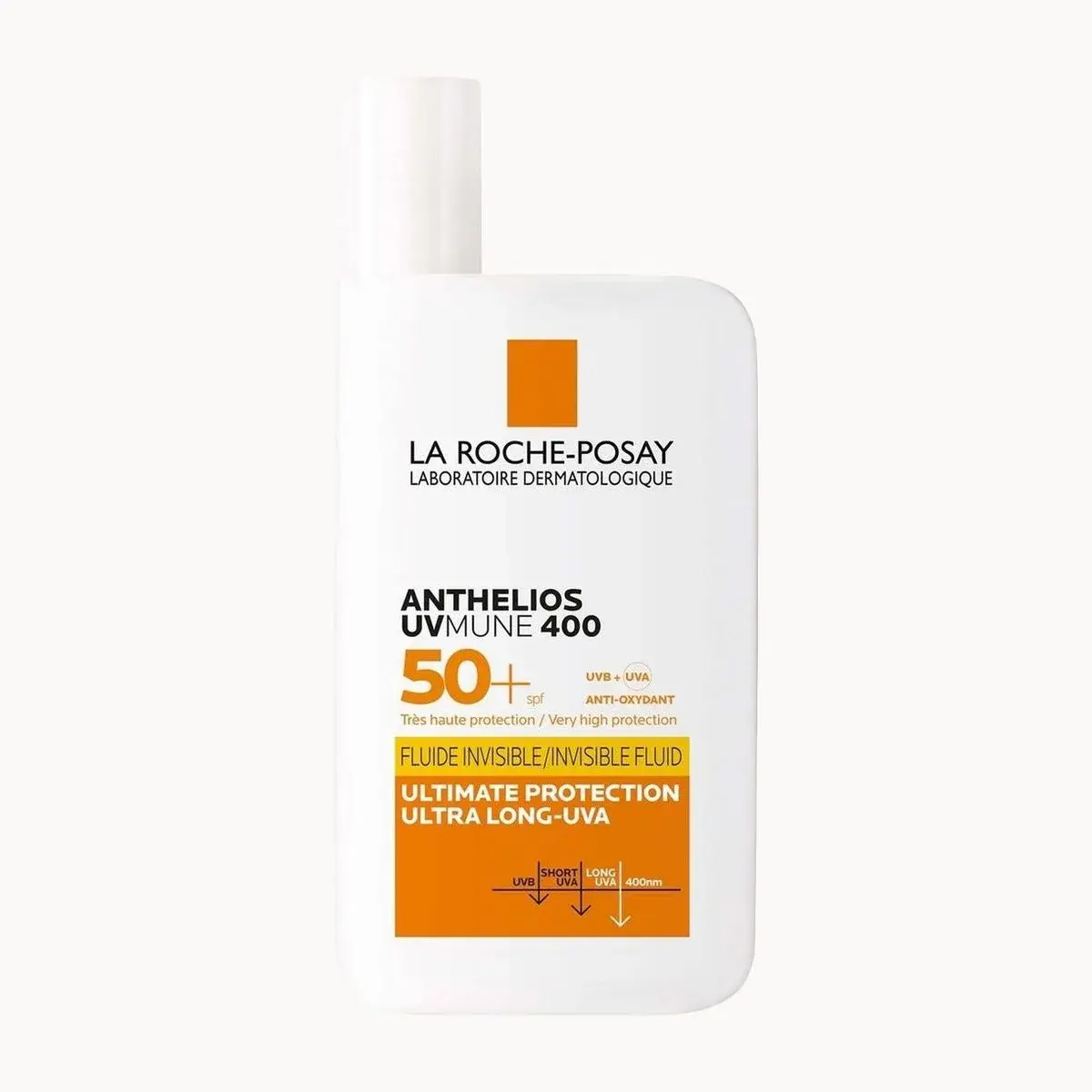
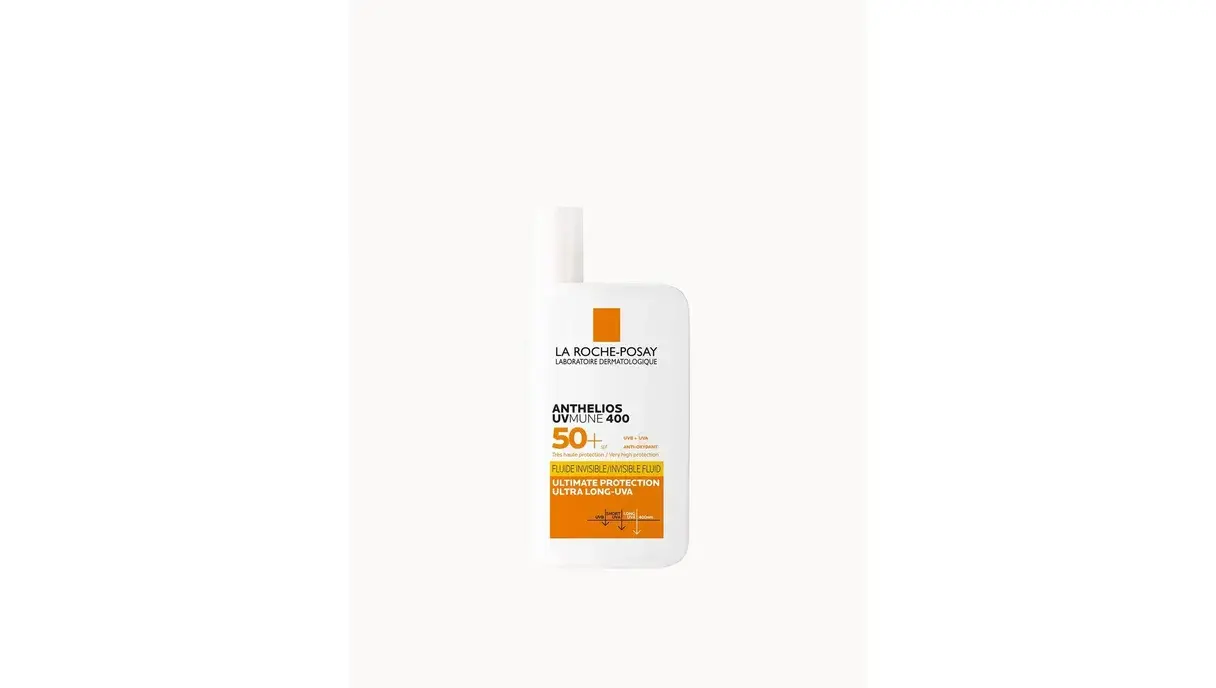
- La Roche-Posay Anthelios UVMune 400 SPF50+, Rs 7,740, stops the new pigment before it forms
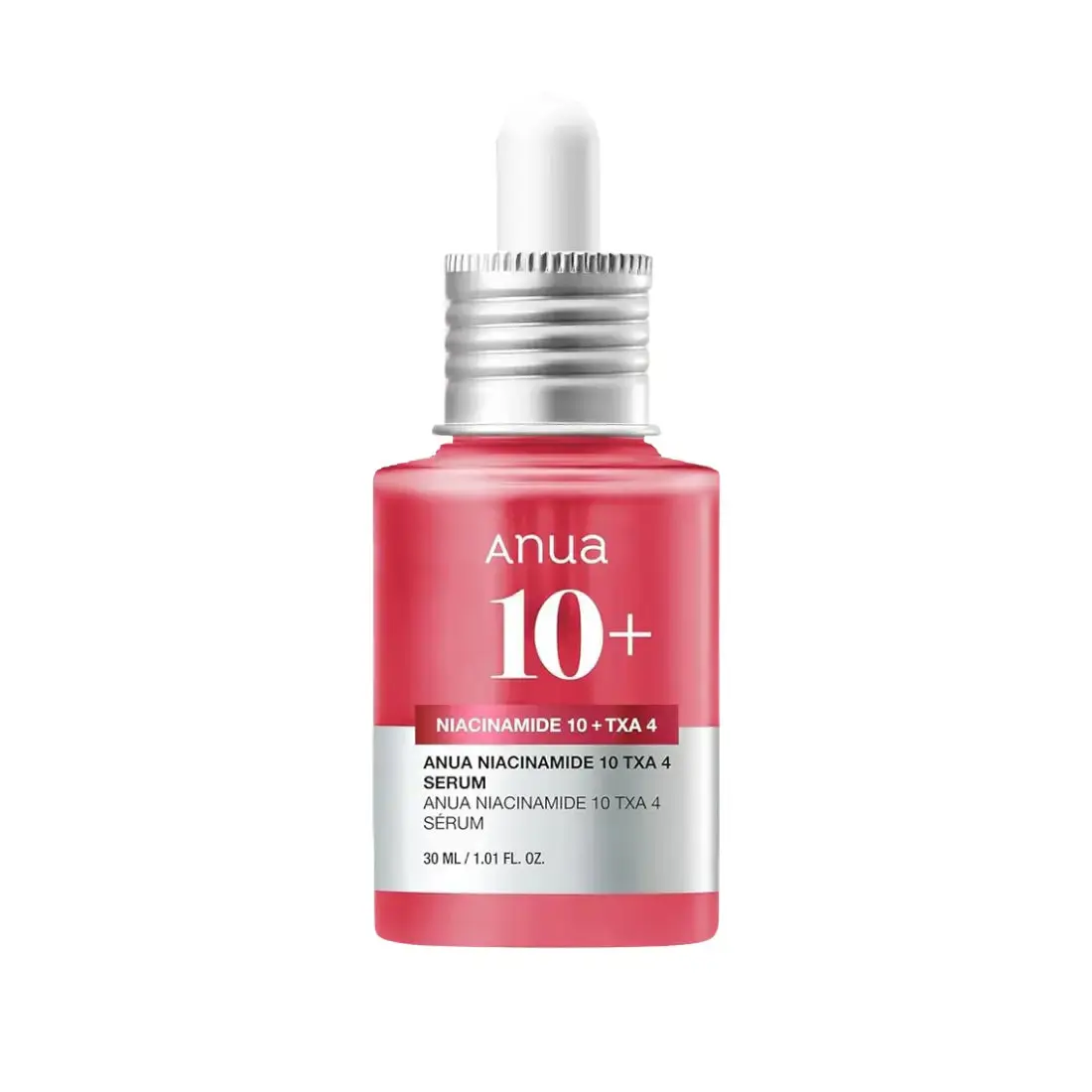
- Anua Niacinamide 10% + TXA 4% Serum, Rs 4,249, for dark spots and melasma patches
- Medicube Kojic Acid Turmeric Vita Capsule Cream, Rs 5,999, the dedicated kojic acid night cream for stubborn patches
- Celimax Pore + Dark Spot Brightening Care SPF50+, Rs 4,500, sun protection that works on spots at the same time
What whitening injections actually are
Almost every "whitening injection" sold in Pakistan is glutathione, an antioxidant your liver already makes, usually mixed with vitamin C. Clinics offer it three ways: an intramuscular shot, an intravenous push, or a slow "gluta drip" where the dose runs into a vein over 20 to 40 minutes alongside other vitamins. The theory is that high doses of glutathione push your pigment cells to make less eumelanin (the brown-black pigment) and more pheomelanin (the lighter red-yellow one), so skin gradually looks fairer.
The theory is real chemistry. The problem is the gap between theory and proof, which we will get to after the part everyone actually searches for: the price.
Whitening injection price in Pakistan (2026)
We collected what clinics and doctor platforms in Pakistan were quoting in August 2026. Prices vary widely by city and clinic, but they cluster into clear bands:
| Treatment | Typical price | What clinics say you need |
|---|---|---|
| Single glutathione injection | Rs 3,000 to 10,000 per session | 6 to 12 sessions |
| Injection at a branded aesthetic clinic | Rs 10,000 to 15,000 per session | 6 to 12 sessions |
| "Whitening cocktail" IV drip | Rs 20,000 to 25,000 per session | 6 to 10 sessions |
| Full course package (10 to 12 sessions) | Rs 100,000 to 150,000 | Then monthly "maintenance" |
| "Full body whitening" plans | Rs 50,000 and up | Open-ended |
These are survey figures checked in August 2026, not our prices. We do not sell injections or drips, and clinics reprice often, so treat the table as bands to argue with rather than quotes to rely on.
Read that last column again. No clinic sells one injection and sends you home fairer. The business model is a course of 6 to 12 sessions, then maintenance shots every few weeks, because (as the clinics themselves admit when you ask) any effect fades once you stop. A person who starts a Rs 12,000 per session plan and follows the recommended course will cross one lakh rupees in the first three months. That is more than many families spend on healthcare in a year.
Do they actually work?
Here is the honest summary of the evidence, and it is short because the evidence is short.
A widely cited review in the Indian Journal of Dermatology, Venereology and Leprology looked at every study on glutathione for skin lightening. For the injectable form, the authors found no published controlled trials proving it lightens skin. The studies that exist used oral or topical glutathione, showed modest and temporary effects, and were small. The reviewers concluded the evidence base for IV glutathione is essentially marketing running ahead of science.
Two things follow from this. First, nobody can tell you how well injections work, how long results last, or what dose is safe long term, because the trials were never done. Second, whatever lightening does happen is temporary. Melanin production restarts when the glutathione level drops, which is exactly why clinics build maintenance sessions into every package. "Permanent whitening injection" is a phrase from ads, not from any medical literature.
The safety problem the ads never mention
The US FDA issued a public warning about injectable skin lightening products, stating they are unapproved, potentially unsafe, and sold with no evidence they work. The Philippines, where the gluta drip trend started years before it reached Pakistan, went further. The Philippine FDA formally advised that injectable glutathione is approved only as a supportive treatment during cisplatin chemotherapy, never for skin lightening, and listed the harms reported with cosmetic use:
- Toxic effects on the liver, kidneys and nervous system
- Stevens-Johnson syndrome, a severe and sometimes fatal skin reaction
- Kidney stone formation when high-dose glutathione is combined with vitamin C, which is exactly the cocktail most Pakistani clinics sell
- Serious complications in people with G6PD deficiency, an inherited condition that is common in Pakistan and that most people have never been tested for
- Transmission of HIV and hepatitis B and C when injections are given by unqualified staff or with poorly sterilised equipment
That last point matters most here. In Pakistan, gluta drips are no longer confined to dermatology clinics. Beauty salons, home service providers and Instagram sellers offer them, often using imported vials of unknown origin with no cold chain and no doctor in the room. Pakistan already has one of the highest hepatitis C rates in the world, driven largely by reused needles. Paying Rs 20,000 to take that risk for a temporary cosmetic effect is a genuinely bad trade.
And to be clear about regulation: no drug authority anywhere, including in Pakistan, has approved any injectable product as a skin whitening treatment. Every gluta drip in the country is an off-label cosmetic use of a chemotherapy support drug.
What to do instead with a fraction of the money
If your goal is brighter, more even skin rather than a different skin colour, the boring options cost far less than the drip and have actual evidence behind them.
Sunscreen first, always. Most of what people in Pakistan read as "dark skin" on their own face is tanning and sun-driven pigmentation layered over their natural tone. Daily SPF 50 does more for evenness in three months than any injection course, because it stops the new pigment that the sun triggers every day. A premium option like La Roche-Posay Anthelios UVMune 400 is Rs 7,740 for a 50ml bottle that lasts weeks, still less than one drip session. If that is out of range, Celimax Pore + Dark Spot Brightening Care SPF50+ is Rs 4,500 and carries niacinamide and tranexamic acid, so it protects and works on existing spots at the same time.
Oral glutathione, if you want glutathione. The small trials that did show a temporary brightening effect mostly used oral glutathione, not IV. Capsules and tablets carry none of the needle risks, and a month of a properly dosed local option like Gluthic (500mg glutathione with vitamin C) costs Rs 3,500, a fraction of one injection at an aesthetic clinic. If you want a separate vitamin C dose alongside it, the Gluthic + CEE bundle pairs the same tablet with a 500 mg chewable for Rs 3,430. We have written a full, honest breakdown of what oral glutathione can and cannot do in our glutathione capsules guide. Set your expectations at "subtle glow after 8 to 12 weeks", not "new complexion".
Proven topicals for pigmentation. If your real complaint is dark spots, melasma or an uneven face, ingredients like niacinamide, tranexamic acid, azelaic acid and kojic acid have far better evidence than injected glutathione. A serum such as Anua's niacinamide 10% + TXA 4% is Rs 4,249 and targets exactly the patches people usually want gone. For a cheaper night treatment on stubborn melasma, the Medicube Kojic Acid Turmeric Vita Capsule Cream is Rs 5,999 for 50 g. Our guide to pigmentation and melasma creams in Pakistan ranks the options with current PKR prices.
Not sure which of these fits your skin? Our free skin quiz takes two minutes and points you to a routine instead of a package deal.
If you still decide to get injections
It is your skin and your money, so if you go ahead, reduce the risk. Only take injections at a clinic where a qualified dermatologist (not an "aesthetician" or salon staff) administers them and is physically present. Ask the brand name of the vial and check it is sealed in front of you. Ask for a G6PD test first; it is a cheap blood test and it rules out the most dangerous complication. Refuse home service drips outright. Do not prepay long packages, because you are buying a temporary effect and you may want to stop. And skip injections entirely if you are pregnant, breastfeeding, or have kidney, liver or thyroid problems.
This article was written and reviewed to our medical review board standards and is for education, not personal medical advice. Speak to a doctor or pharmacist about your own situation.
Whatever you decide, spend the money on things with evidence behind them. Start with a sunscreen you will actually wear every morning, and if you want the glutathione route without a needle, a month of Gluthic is Rs 3,500. The rest of the shortlist sits in Cleansers & Treatments, and the two-minute skin quiz will narrow it down if you are not sure where to begin. We deliver across Pakistan with cash on delivery, and delivery is free on orders over Rs 5,000 in Punjab. Your skin, and your one lakh rupees, will thank you.
Shop Gluthic Glutathione Tablets →Frequently asked questions
What is the price of a whitening injection in Pakistan?
Clinic quotes collected across Pakistan in August 2026: a single glutathione injection cost Rs 3,000 to 10,000 at most clinics, and Rs 10,000 to 15,000 at branded aesthetic chains. IV "cocktail" drips ran Rs 20,000 to 25,000 per session. Full courses of 10 to 12 sessions were quoted at Rs 100,000 to 150,000, with ongoing maintenance recommended after that. We do not sell injections, and clinics reprice often, so confirm the current fee before you book.
Are whitening injections permanent?
No. There is no published evidence of permanent skin lightening from glutathione injections. Any effect fades as glutathione levels drop, which is why clinics sell maintenance sessions. "Permanent whitening" is an advertising phrase, not a documented medical outcome.
Are glutathione injections approved for skin whitening?
No regulator anywhere has approved them for this use. The US FDA has warned that injectable skin lightening products are unapproved and potentially unsafe, and the Philippine FDA states injectable glutathione is approved only as a support treatment during certain chemotherapy, never for cosmetic lightening.
What are the side effects of whitening injections?
Reported harms include liver, kidney and nerve toxicity, severe skin reactions such as Stevens-Johnson syndrome, kidney stones when combined with high-dose vitamin C, dangerous reactions in people with G6PD deficiency, and infections including hepatitis B, hepatitis C and HIV when needles or drips are handled poorly. Ask your pharmacist or a dermatologist before taking any injectable product.
Which is better, glutathione capsules or injections?
For most people, the oral route. The modest evidence that exists for skin brightening mostly comes from oral glutathione, tablets and capsules avoid every needle-related risk, and a month of Gluthic costs Rs 3,500 against the Rs 10,000 to 15,000 a branded clinic was charging for one session in August 2026. Results, where they occur, are subtle and take 8 to 12 weeks.
Is a gluta drip safe at a salon or at home?
No. An IV drip is a medical procedure. Taking one from salon staff or a home service provider, with no doctor present and no verified sterile equipment, carries real risks of infection and transfusion-borne disease. If you take injections at all, take them from a dermatologist in a clinic.
Liked this one? Get the next in your inbox.
One fortnightly note from the editors, new pieces, restocks, and the routines we're actually using. Unsubscribe any time.