Omega-3 & Fish Oil: Benefits, Dosage & EPA vs DHA
Why omega-3 matters for heart, brain and joints, how much EPA and DHA to aim for, and how to choose a fish oil in Pakistan.

Did you know that one of the most researched supplements in the world is also one Pakistanis most often fall short on? That supplement is omega-3. The reason is simple: oily fish is not a daily staple in most households here.
This guide to omega-3 and fish oil benefits explains what omega-3 actually does. It also covers the crucial difference between EPA and DHA, how much you need, and how to choose a good supplement.
Shop the picks in this guide
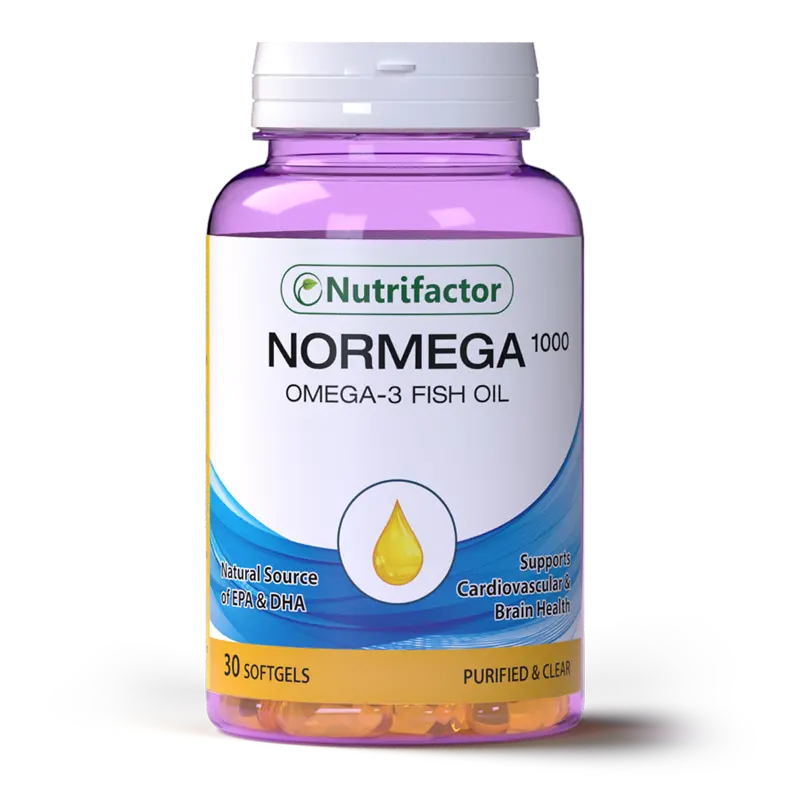
- Nutrifactor Normega 1000 (Omega-3 Fish Oil), Rs 1,580, 180 mg EPA and 120 mg DHA per softgel, the straightforward daily pick
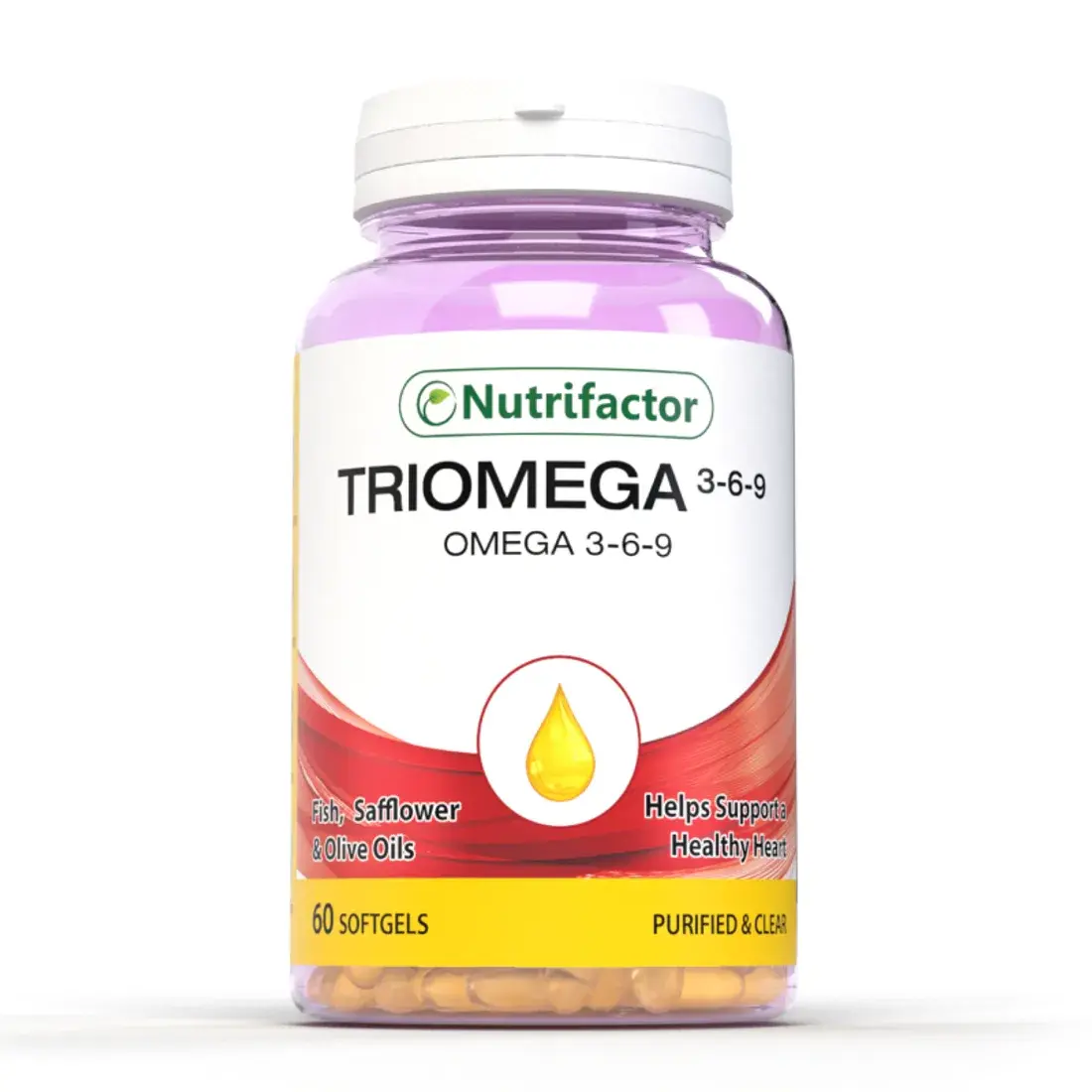
- Nutrifactor Triomega 3-6-9, Rs 1,990, omega 3, 6 and 9 with vitamin E in one softgel if you want the wider fat blend
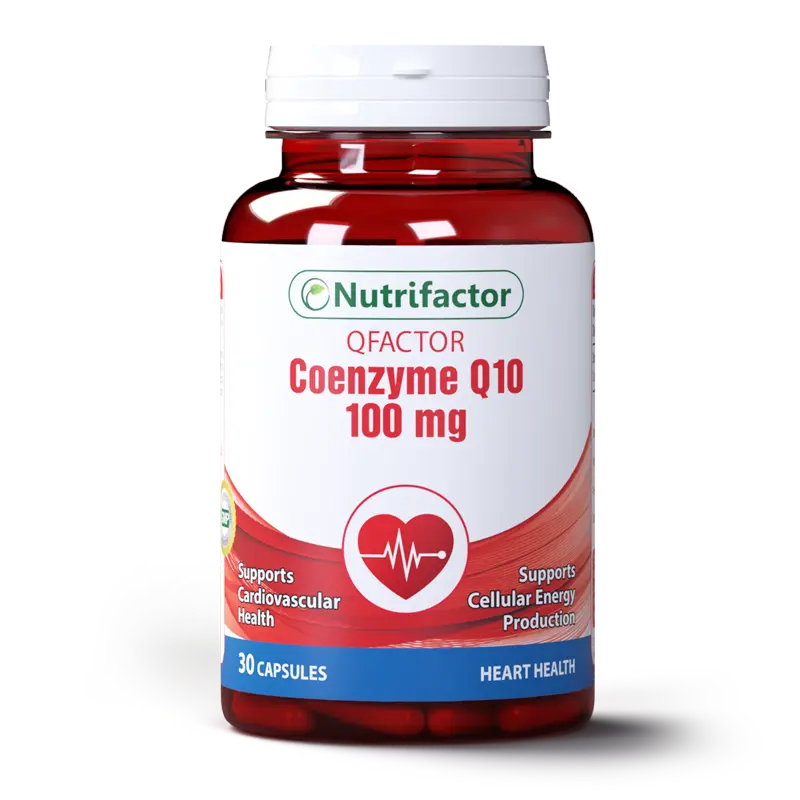
- Nutrifactor Qfactor CoQ10 100mg, Rs 2,210, the usual partner to fish oil for heart support
- Multiflux Multivitamin, Rs 530, for the wider nutrient gaps a fish oil does not cover
What are omega-3 fatty acids?
Omega-3s are essential fats your body cannot make on its own. You have to get them from food or supplements. There are three main types:
- EPA (eicosapentaenoic acid), the anti-inflammatory star, important for heart and mood.
- DHA (docosahexaenoic acid), a major structural fat in the brain and eyes, and vital in pregnancy.
- ALA (alpha-linolenic acid), the plant form (flax, walnuts, chia). The body converts only a small amount into EPA and DHA.
EPA and DHA are found mainly in oily fish and fish oil. They are the forms with the strongest evidence behind them.
The benefits of omega-3
According to the NIH Office of Dietary Supplements, omega-3s are involved in a wide range of body functions. The best-supported benefits include:
- Heart health. Omega-3 supports healthy triglyceride levels and healthy circulation. The clearest triglyceride effects come from higher doses taken under medical supervision, not from everyday wellness amounts.
- Brain and mood. DHA is a key structural fat in the brain, and omega-3s are studied for mood and cognition.
- Eye health. DHA is concentrated in the retina.
- Inflammation. EPA helps regulate the body's inflammatory response, which is relevant to joint comfort.
- Pregnancy. DHA supports the baby's brain and eye development.
Heart health is the single best-researched of these. If that is your main reason for considering fish oil, our dedicated guide to omega-3 fish oil benefits for heart health goes through the cardiac evidence in detail.
EPA vs DHA: which do you need?
| Goal | Prioritise |
|---|---|
| Heart & triglycerides | Higher EPA + DHA combined |
| Mood & inflammation | Higher EPA |
| Brain, eyes & pregnancy | Higher DHA |
| General wellbeing | A balanced EPA/DHA formula |
For most people, the right call is a balanced fish-oil supplement. Look for one that lists meaningful amounts of both EPA and DHA, not just "fish oil" total.
Omega-3 dosage: how much do you need?
General wellness doses typically provide a combined 250 to 500 mg of EPA + DHA per day. Higher amounts are sometimes used for specific goals under medical advice.
Here is the key point. Read the label for the EPA and DHA numbers, not just the total fish-oil weight. A "1000 mg fish oil" capsule may contain only 300 mg of actual EPA + DHA. That is exactly how the softgel we stock is built: 1,000 mg of fish oil standardised to 180 mg EPA and 120 mg DHA. One softgel a day gives 300 mg of EPA + DHA, in the lower half of the 250 to 500 mg general-wellness range, and two give 600 mg, a little above the top of it.
As a general guide for adults:
- General wellness: 250 to 500 mg of combined EPA + DHA daily.
- Pregnancy and breastfeeding: most guidance adds at least 200 mg of DHA a day on top of that. Confirm the right amount with your obstetrician.
- High triglycerides or heart conditions: doctors sometimes prescribe considerably higher doses. Do not self-prescribe these; they belong under medical supervision.
Omega-3 is generally well tolerated at everyday doses. But if you take blood-thinning medication, have a bleeding disorder or have surgery coming up, speak to your doctor before starting, because high doses can have a mild blood-thinning effect. The American Heart Association also suggests getting omega-3 from oily fish first where you can, with supplements filling the gap.
Fish oil vs vegetarian (algal) omega-3
Most omega-3 supplements are fish oil. If you are vegetarian or vegan, look for algal oil. This is omega-3 sourced directly from algae, which is where fish get theirs. It delivers DHA (and increasingly EPA) without any fish. We do not currently stock an algal oil, so if that is what you need, say so when you contact us rather than substituting a fish-oil softgel.
Omega-3 food sources in Pakistan
- Oily fish, such as rahu, trout, sardines, mackerel and salmon where available, are the richest sources.
- Walnuts (akhrot) and flaxseed (alsi), which provide plant ALA, a useful top-up.
- Chia seeds and eggs, in modest amounts.
How much omega-3 do these foods actually give you? Rough figures per serving:
| Food (per serving) | Approx. omega-3 |
|---|---|
| Salmon, cooked (100 g) | 1,500 to 2,000 mg EPA + DHA |
| Sardines (100 g) | 1,000 to 1,500 mg EPA + DHA |
| Rahu / rohu (100 g) | roughly 200 to 300 mg EPA + DHA (a river fish, modest but useful) |
| Walnuts / akhrot (30 g, a small handful) | about 2,500 mg ALA (plant form; only a small share converts) |
| Flaxseed / alsi (1 tbsp, ground) | about 2,300 mg ALA |
| Egg (1, desi) | 50 to 100 mg |
Few households in Pakistan eat oily fish several times a week. So a supplement is the reliable way to hit a steady EPA and DHA intake.
How to choose a fish oil brand in Pakistan: what to look for
- Clearly stated EPA and DHA amounts, not just total fish oil.
- A form that resists rancidity. A fishy "burp" or smell usually means oxidised oil.
- Tested, authentic sourcing from a brand you trust.
- An algal option if you avoid fish.
- Concentration per capsule. Two products can both say "1000 mg fish oil" yet one delivers double the EPA + DHA. Higher concentration means fewer capsules to swallow and usually better value.
- A sensible expiry date and proper storage. Omega-3 oils degrade with heat and light, which matters in Pakistan's climate. Buy from a seller that stores stock properly and check the date on the box.
Rather than chasing brand reviews, use this simple comparison: divide the combined EPA + DHA per capsule by the price per capsule. That one number cuts through the marketing and tells you which product actually delivers more omega-3 for your rupee. We deliberately do not rank brands here, because formulas and prices change; the label maths above will outlive any list.
Fish oil price in Pakistan: what should you pay?
Fish oil prices in Pakistan vary widely by brand and, more importantly, by concentration. As a broad market guide, quality local and regional brands sit somewhere between Rs 1,000 and Rs 2,500 for a month's supply, and imported high-concentration oils cost more. Those two figures are a market estimate for other sellers' products, last reviewed in September 2026, not a Yellow Pink quote: they move with the rupee and with import costs, so use them as a sanity check. Be cautious with very cheap bottles, because they often contain little actual EPA and DHA, so a "bargain" can work out more expensive per milligram of omega-3.
Our own prices are the current ones, not estimates. At Yellow Pink we stock Nutrifactor Normega 1000 (Omega-3 Fish Oil) at Rs 1,580, and Nutrifactor Triomega 3-6-9 at Rs 1,990 if you want omega 3, 6 and 9 with vitamin E in one softgel. Check our Heart Health category for stock, all authentic and available with cash on delivery across Pakistan.
Building a heart-and-wellness routine
Omega-3 works best as part of a broader heart-and-wellness routine. A clearly dosed fish-oil supplement such as Nutrifactor Normega 1000 makes it easy to hit a steady EPA and DHA intake, and Triomega 3-6-9 adds omega 6 and 9 alongside the fish oil if you want the wider blend. Triomega does not break out its EPA and DHA figures the way Normega does, so if you are counting those milligrams, Normega is the clearer choice. In our Heart Health range, Qfactor CoQ10 100mg is the nutrient most often taken alongside fish oil, since CoQ10 levels fall with age and it is well studied for heart support. Pair either with a daily Multiflux multivitamin to cover wider nutrient gaps. For more on choosing supplements, see our multivitamin guide.
One product people expect to find in this list does not belong here. Argivital is an L-arginine sachet (2 g L-arginine with lycopene and CoQ10) sold in our Men's Health range for men's sexual wellness: blood flow, erection quality, stamina and sperm health. Better circulation is part of how it works, so buy it for that reason rather than as a heart supplement.
Browse the full Wellness range, authentic, with cash on delivery across Pakistan.
The bottom line
Omega-3 (EPA and DHA) is a genuinely well-evidenced supplement for heart, brain and overall health. It is also a common gap in Pakistani diets that rarely include oily fish.
Choose a supplement with clearly stated EPA and DHA, take it with food, and stay consistent.
This article was written and medically reviewed to our medical review board standards and is for general guidance, not personal medical advice. Always speak to a doctor or pharmacist about your own situation.
Shop Omega-3 Fish Oil →Related on Yellow Pink: CoQ10 in Pakistan · prenatal vitamins · ashwagandha benefits for men · best multivitamin tablets
If you want to start today, one softgel of Nutrifactor Normega 1000 (Rs 1,580) with your evening meal is the simplest way in, or browse the whole Heart Health range to add CoQ10 or an omega 3-6-9 blend. We deliver with cash on delivery across Pakistan, and delivery is free on orders over Rs 5,000 in Punjab.
Frequently asked questions
What is the difference between fish oil and omega-3?
Fish oil is the source. Omega-3 (EPA and DHA) is the active part inside it. Always check the EPA and DHA figures on the label, not just the total fish-oil amount.
How much omega-3 should I take daily?
A common general-wellness range is 250 to 500 mg of combined EPA + DHA per day. Higher amounts for specific goals should be guided by a doctor.
Can vegetarians take omega-3?
Yes. Choose algal oil, which provides omega-3 (especially DHA) directly from algae, with no fish involved. We do not stock an algal oil at the moment, so our omega-3 softgels are not suitable if you avoid fish.
When is the best time to take omega-3?
Take it with a meal that contains some fat, which improves absorption and reduces any aftertaste. Consistency matters more than the exact time of day. Our supplement timing guide covers this in more detail.
How much does omega-3 fish oil cost in Pakistan?
Across the market, expect roughly Rs 1,000 to Rs 2,500 for a month's supply of a quality brand, with imported high-concentration oils costing more. That is a market estimate for other sellers, last reviewed in September 2026. Our own price is live on the page: Nutrifactor Normega 1000 is Rs 1,580 and Nutrifactor Triomega 3-6-9 is Rs 1,990.
Does fish oil have any side effects?
At everyday doses it is generally well tolerated. The most common complaints are a fishy aftertaste or mild stomach upset, and taking it with food usually solves both. If you take blood thinners, have a bleeding disorder or have surgery planned, check with your doctor before starting.
Does rohu (rahu) fish have omega-3?
Yes, in modest amounts. Rohu is a freshwater fish, so it carries roughly 200 to 300 mg of EPA + DHA per 100 g, well below oily sea fish like sardines or salmon. It is still a worthwhile part of the diet; it just will not cover your omega-3 needs on its own.
Can I take omega-3 and a multivitamin together?
Yes, the two are commonly paired and do not clash. Take both with a meal. One check first: if your multivitamin already includes fish oil, count that toward your daily EPA + DHA before adding a separate capsule.
Can I take omega-3 with milk?
Yes. Milk contains some fat, which actually helps omega-3 absorb. Doodh ke saath lena bilkul theek hai; any meal or drink with a little fat works.
Does omega-3 improve memory?
DHA is a major structural fat in the brain, and omega-3 intake is actively studied for memory and cognition. The evidence is promising for maintaining brain health over time, especially where the diet lacks fish, but it is not a quick fix or a treatment for memory problems. Persistent memory concerns belong with a doctor.
Does omega-3 increase weight?
No. A fish-oil capsule carries about 10 to 25 calories, a rounding error in a day's food. Omega-3 does not stimulate appetite or fat storage at supplement doses.
Liked this one? Get the next in your inbox.
One fortnightly note from the editors, new pieces, restocks, and the routines we're actually using. Unsubscribe any time.