CoQ10 in Pakistan: Benefits for Heart, Energy & Statin Users (2026)
CoQ10 benefits for heart health, energy and statin muscle aches, explained for Pakistan. Ubiquinone vs ubiquinol, the right dose, safety and prices.

Did you know? Heart disease is the world's leading cause of death, according to the WHO. Few supplements support both your heart and your daily energy like coenzyme Q10. Interest in CoQ10 benefits has grown fast, especially among people over 40, those on cholesterol-lowering statins, and anyone fighting stubborn fatigue. This doctor-reviewed guide explains coenzyme Q10 in plain language for readers in Pakistan. It covers dosage, the ubiquinone versus ubiquinol question, and the interactions you must know.
What is CoQ10?
Coenzyme Q10 is a vitamin-like substance your body makes on its own. It is stored in nearly every cell, and it plays two key roles.
First, it powers energy production. It helps the mitochondria, the tiny power plants inside your cells, turn food into usable energy. Second, it is a strong antioxidant. It protects your cells from the oxidative damage linked to ageing and disease.
The organs that need the most energy, especially the heart, hold the most CoQ10. That is exactly why so much research looks at CoQ10 for heart health.
The main CoQ10 benefits
Research on CoQ10 is active and promising in some areas. Not every claim is firmly proven, though. The most discussed benefits are:
- Heart health: CoQ10 has been studied as a support in certain heart conditions. Some research in heart failure suggests it may help symptoms and quality of life alongside standard treatment.
- Blood pressure support: some studies suggest CoQ10 may modestly lower blood pressure in some people. It is not a replacement for prescribed medication.
- Energy and fatigue: thanks to its role in cellular energy, CoQ10 is popular for CoQ10 energy support, especially in people who feel run down or older.
- Statin-related muscle aches: statins can lower the body's CoQ10. Some people take CoQ10 to ease statin-linked muscle aches, which we cover below.
- Skin ageing: as an antioxidant, CoQ10 is also studied for protecting skin from age-related oxidative damage.
Mayo Clinic gives a measured overview of the evidence in its coenzyme Q10 guide. The NIH Office of Dietary Supplements offers trusted background on antioxidants and supplements at ods.od.nih.gov.
Why statin users and the over-40s may be low
Your own CoQ10 production peaks in your twenties. After that, it steadily falls with age. So many people over 40 naturally have lower levels.
Statins add to this. These medicines are very widely prescribed in Pakistan for high cholesterol, and they lower CoQ10 as a side effect of how they work. Some researchers think this drop may add to the muscle aches and weakness that a few statin users feel.
Ageing plus statin use is the biggest reason people consider CoQ10 and statins together. If you are on a statin and have muscle aches, talk to your doctor about CoQ10. Do not simply stop your statin, which protects your heart.
CoQ10 and statins: easing muscle aches
The evidence here is genuinely mixed. Some trials suggest CoQ10 modestly reduces statin-related muscle pain. Others find no clear benefit.
What is reassuring is that CoQ10 is generally safe to try. It does not interfere with how statins lower your cholesterol. So if statin muscle aches bother you, a trial of CoQ10, with your doctor's awareness, is a reasonable, low-risk step. Never stop a statin on your own to deal with aches. Speak to your prescriber about your options first.
A practical way to run that trial: take 100 to 200mg of CoQ10 daily with your main meal for 8 to 12 weeks. Keep a short weekly note of your aches, where they are and how strong they feel out of 10. If the aches ease, you and your doctor have something concrete to work with. If nothing changes after 12 weeks, CoQ10 is probably not the answer for you, and your doctor may adjust the statin dose or switch you to a different statin instead.
The same approach applies to the statins most commonly prescribed in Pakistan, including atorvastatin, rosuvastatin and simvastatin. All of them lower CoQ10 through the same pathway, so the brand on your prescription does not change the advice.
Ubiquinone vs ubiquinol: what is the difference?
CoQ10 supplements come in two main forms, and shoppers often get confused by them:
| Form | What it is | Notes |
|---|---|---|
| Ubiquinone | The oxidised, more stable form | The most studied and most affordable form; your body converts it to ubiquinol as needed. Works well for most people. |
| Ubiquinol | The reduced, "active" antioxidant form | May be absorbed more efficiently, which can matter more for older adults; usually costs more. |
For most people, especially on a budget, a well-made ubiquinone is a sensible, effective choice. Older adults, or those wanting maximum absorption, sometimes prefer ubiquinol. Take both with food, as explained next.
CoQ10 dosage and how to take it
Typical doses run from 100 to 200mg a day for general support. Some specific conditions are studied at higher doses under medical supervision.
Here is the most important tip. CoQ10 dosage matters less than how you take it. CoQ10 is fat-soluble, so your body absorbs it far better with a meal that contains some fat, such as eggs, nuts, olive oil or a normal cooked meal. Taking it on an empty stomach wastes much of the dose.
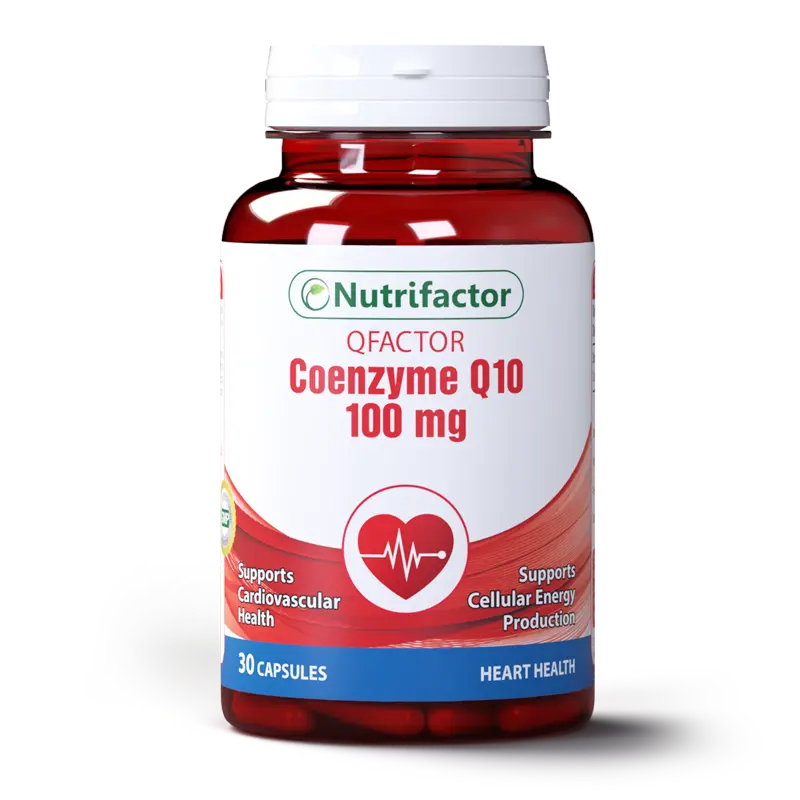
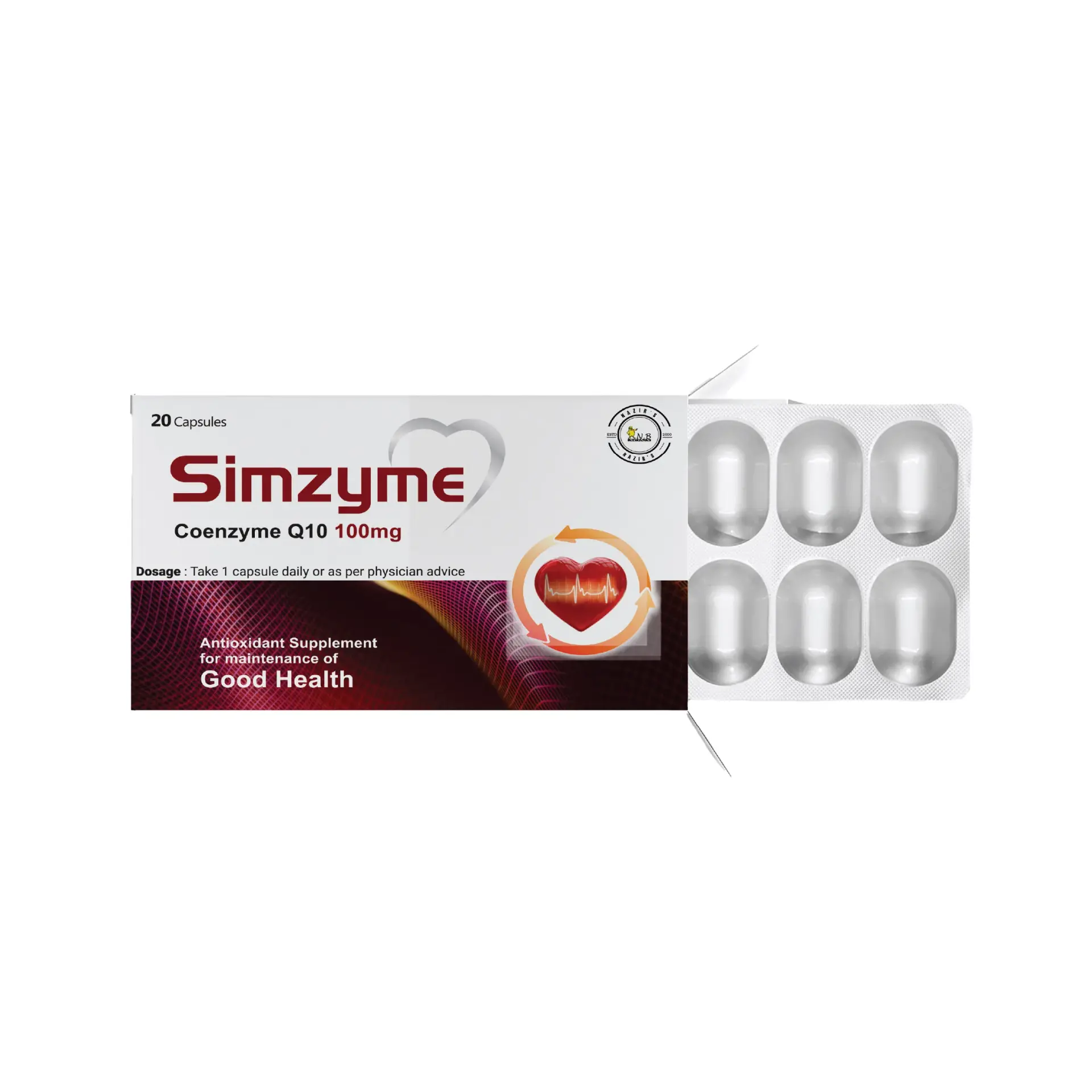
If you split a dose, take part with breakfast and part with another meal. In Pakistan, reliable options include Nutrifactor Qfactor CoQ10 100mg (around Rs 2,210) and the more budget-friendly Simzyme 100mg (around Rs 1,250). Both give a sensible 100mg dose to take with food.
Who benefits most from CoQ10?
Not everyone needs CoQ10. But certain groups are most likely to benefit:
- People taking statins, especially those with muscle aches.
- Adults over 40, whose natural levels are falling.
- People with certain heart conditions, used alongside prescribed treatment, not instead of it, and with medical guidance.
- Those with ongoing, unexplained fatigue, once other causes have been ruled out. Our guide on why you are always tired in Pakistan is a good starting point before reaching for any supplement.
CoQ10 also pairs naturally with other heart-supportive nutrients. Many people combine it with omega-3. You can read more in our omega-3 fish oil benefits guide.
A note on CoQ10 for fertility
CoQ10 is also widely studied for fertility, especially for egg and sperm quality. That is because eggs and sperm need a lot of energy. It is a big topic on its own, and we cover it separately in our CoQ10 benefits for fertility guide.
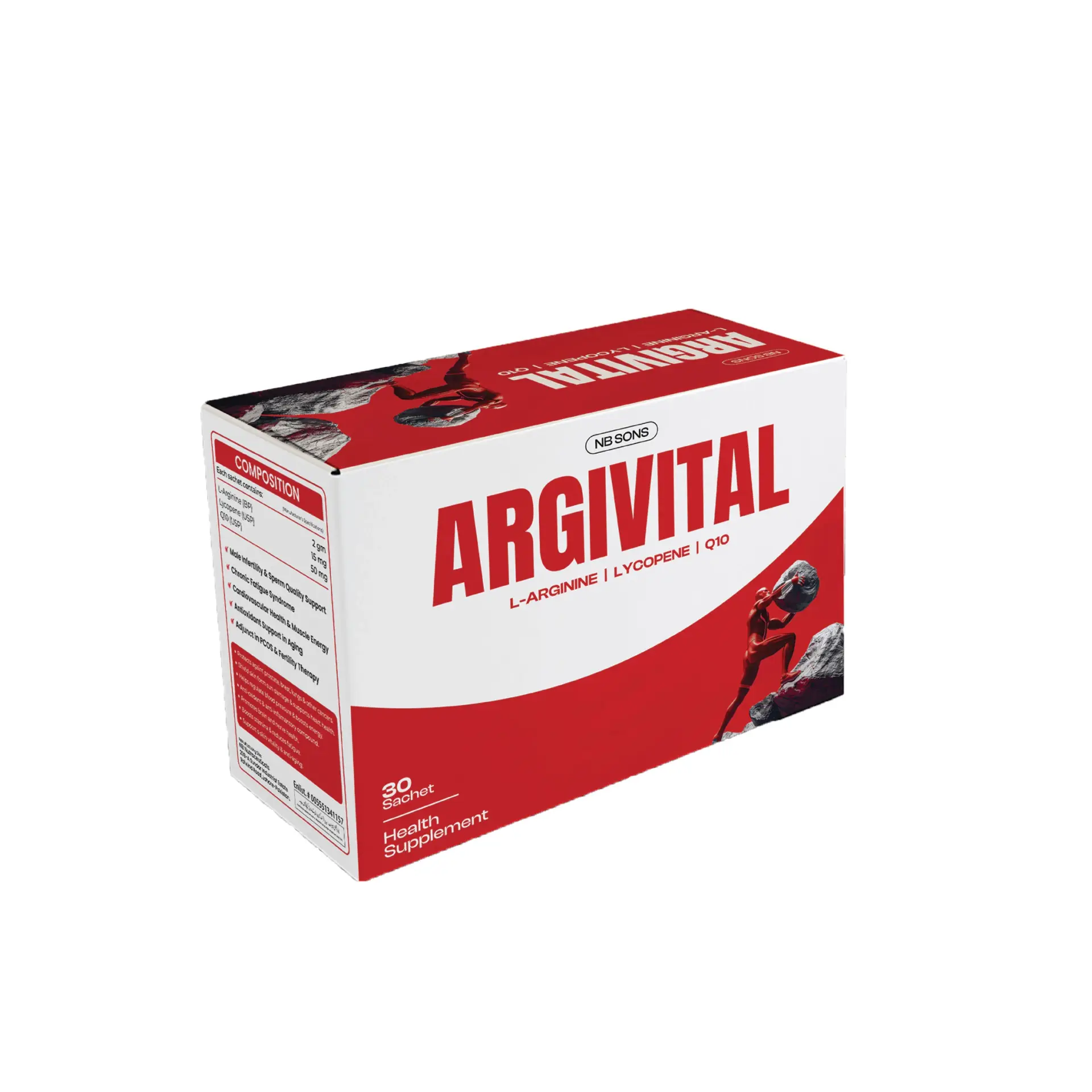
CoQ10 often appears in male-health blends too, such as those that combine it with L-arginine and lycopene. We discuss those in our Argivital sachet guide for male health.
Safety, side effects and interactions
CoQ10 is considered safe and well tolerated for most adults. Side effects are usually mild. They may include digestive upset, nausea or, rarely, headaches and sleep trouble if taken late at night.
The interactions matter most:
- Warfarin (blood thinner): CoQ10 may weaken warfarin's effect. Anyone on warfarin must speak to their doctor before starting and have their clotting (INR) monitored.
- Blood pressure medicines: because CoQ10 may lower blood pressure, taking it with these drugs could push readings too low. Monitor and discuss with your doctor.
- Diabetes and chemotherapy: discuss with your doctor, as CoQ10 may affect how some treatments work.
CoQ10 is generally not advised in pregnancy and breastfeeding, due to limited safety data. Cleveland Clinic gives a helpful, balanced overview in its CoQ10 resource. As always, supplements support a healthy lifestyle. They do not replace heart medication or a heart-healthy diet.
CoQ10 price in Pakistan (October 2026)
A month of CoQ10 in Pakistan currently costs between Rs 1,250 and Rs 3,500, depending on the brand and what else is in the formula. Current prices on Yellow Pink:
- Simzyme 100mg: Rs 1,250, down from Rs 1400. A straightforward ubiquinone at the standard 100mg dose, and the best value option on this list.
- Nutrifactor Qfactor CoQ10 100mg: Rs 2,210. A widely recognised Pakistani brand that pharmacies across the country stock.
- Argivital sachet (L-arginine, CoQ10 and lycopene): Rs 3,500, down from Rs 6500. A men's sachet built around 2 g of L-arginine for blood flow and stamina, with CoQ10 and lycopene alongside. Buy it for that, not as a standalone CoQ10 capsule.
All three ship across Pakistan with cash on delivery, so you pay when the parcel arrives. Wherever you buy, check the seal and the expiry date, and be wary of loose or unbranded imports sold well below these prices. CoQ10 also degrades with heat, so store it away from direct sunlight, which matters in a Karachi or Multan summer.
This article was written and medically reviewed to our medical review board standards. It is for general guidance, not personal medical advice. Always speak to a doctor or pharmacist about your own situation.
Shop Simzyme CoQ10 100mg, Rs 1,250 with cash on delivery →Related on Yellow Pink: omega-3 fish oil · CoQ10 for fertility
Frequently asked questions
Should I take CoQ10 if I am on a statin?
It is a reasonable, low-risk option to discuss with your doctor, especially if you have statin-related muscle aches. CoQ10 does not stop a statin from lowering your cholesterol. Never stop a statin on your own to deal with muscle aches.
Ubiquinone or ubiquinol, which should I buy?
For most people, a well-made ubiquinone is effective and more affordable. Older adults, or those seeking maximum absorption, sometimes prefer ubiquinol, which usually costs more. Either way, take it with food.
What is the right CoQ10 dosage?
General support is usually around 100 to 200mg daily, taken with a meal that contains some fat for proper absorption. Higher doses for specific conditions should be supervised by a doctor.
Does CoQ10 really boost energy?
Because it is central to cellular energy, CoQ10 may help, especially in older adults, statin users and people who feel run down. Think of it as gentle support, not a stimulant. It cannot fix fatigue caused by poor sleep, anaemia or thyroid problems.
Is CoQ10 safe with blood pressure medication?
CoQ10 may modestly lower blood pressure, so taking it with blood pressure medicine could push readings too low. Monitor your blood pressure and speak to your doctor before combining them.
How much does CoQ10 cost in Pakistan?
Expect Rs 1,250 to Rs 3,500 for a month's supply in 2026, depending on brand. Simzyme 100mg costs Rs 1,250, Nutrifactor Qfactor 100mg costs Rs 2,210, and the Argivital sachet costs Rs 3,500. Cash on delivery is standard on Yellow Pink.
How long until CoQ10 works?
Effects build slowly. Many people allow 4 to 12 weeks of steady daily use, taken with food, before judging whether they notice a difference in energy or muscle comfort.
Liked this one? Get the next in your inbox.
One fortnightly note from the editors, new pieces, restocks, and the routines we're actually using. Unsubscribe any time.