Nappy Rash Cream in Pakistan: How to Choose and Use One
Nappy rash cream in Pakistan: how Sudocrem and Sebamed differ, how to use a barrier cream properly, and when a rash needs a doctor instead.
If your baby's bottom has turned red after a long, hot day in a nappy, you are in very large company. Cleveland Clinic says more than half of babies aged 4 to 15 months get nappy rash at least once in any two-month stretch.
Most rashes clear with a few changes to the changing routine and a good barrier cream, so this guide covers which cream to buy in Pakistan, how to use it properly, and which rashes need a doctor instead.
Nappy rash creams we stock, with today's prices
Both creams below are imported and sit in our Nappy & Baby Care section. They work in the same basic way: a layer of cream sits between the skin and wetness so the skin can settle.
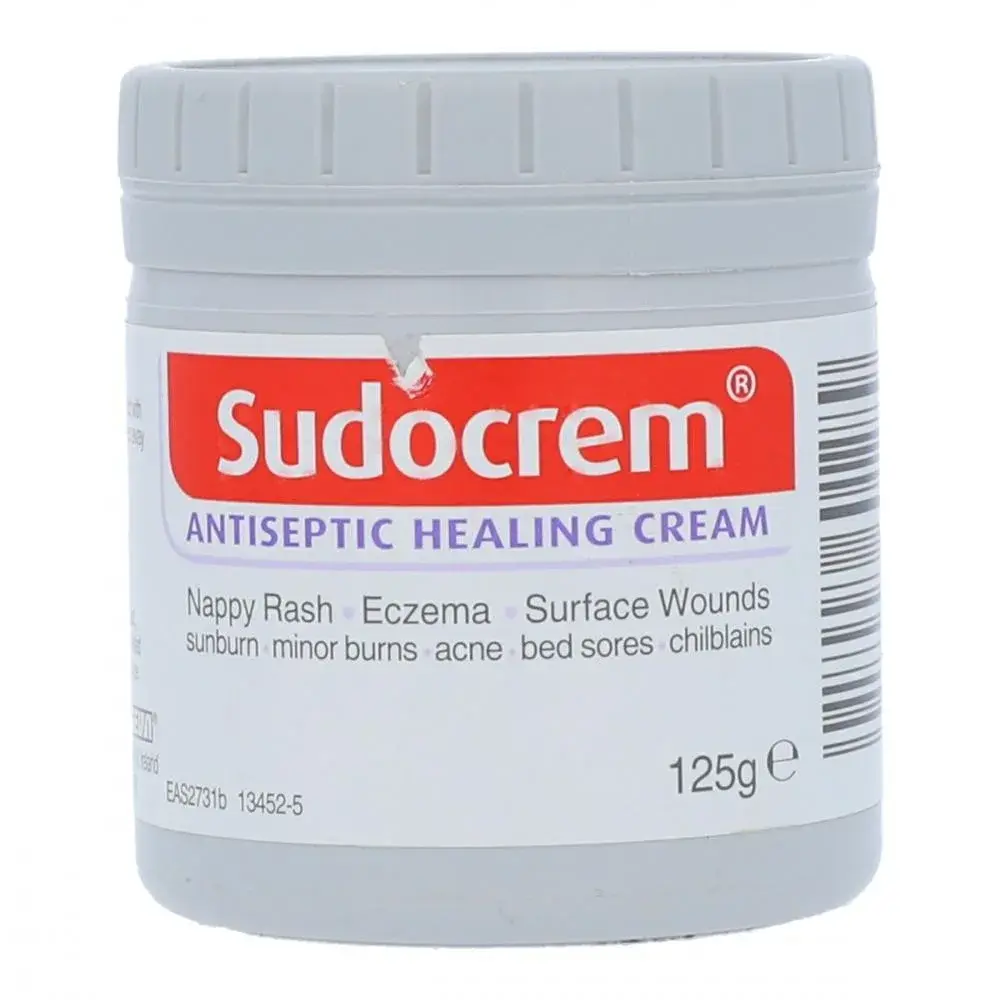
- Sudocrem Antiseptic Healing Cream 125g (Rs 1,595): a thick zinc oxide cream made in the UK, and the everyday home size.
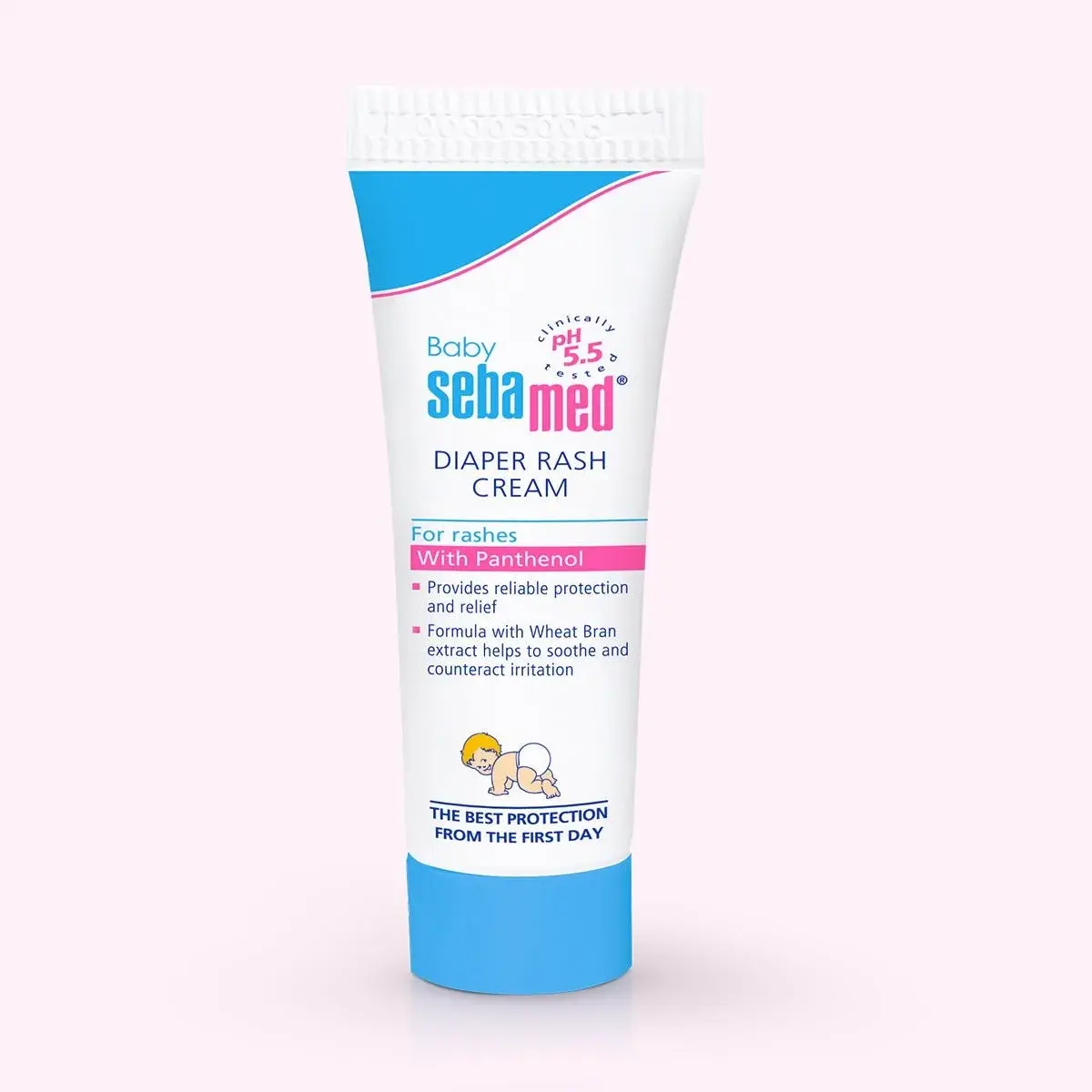
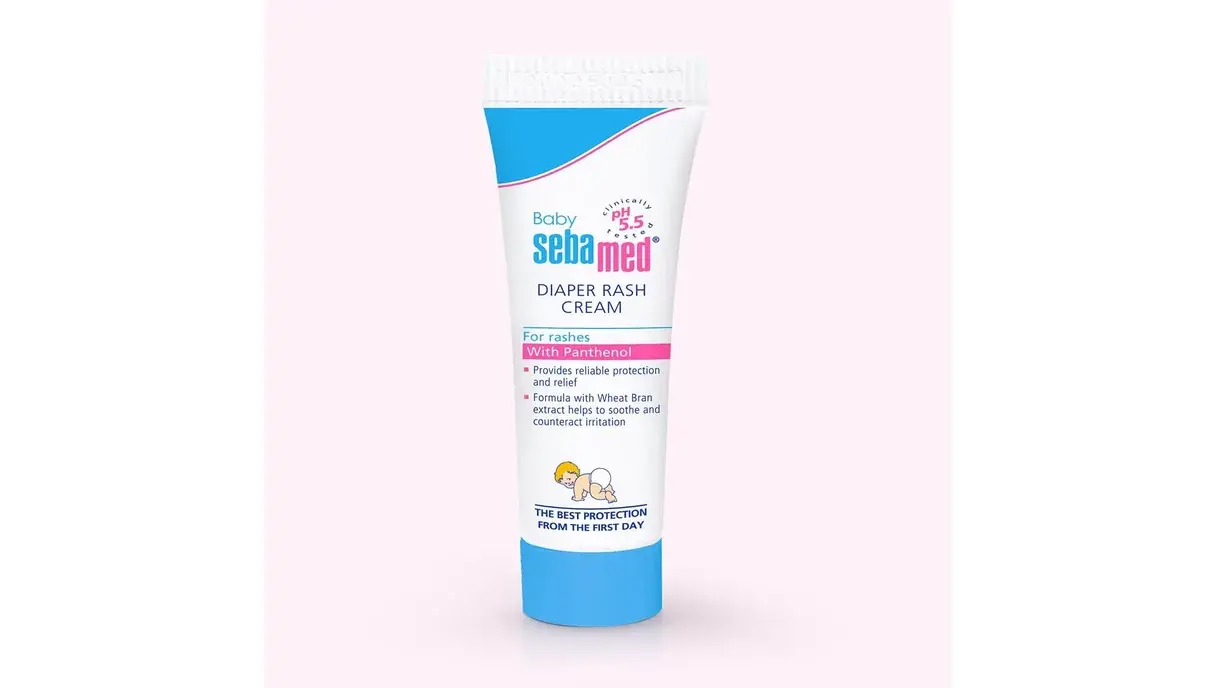
- Sebamed Baby Diaper Rash Cream 100ml (Rs 4,800): a softer German cream with panthenol, set at pH 5.5.
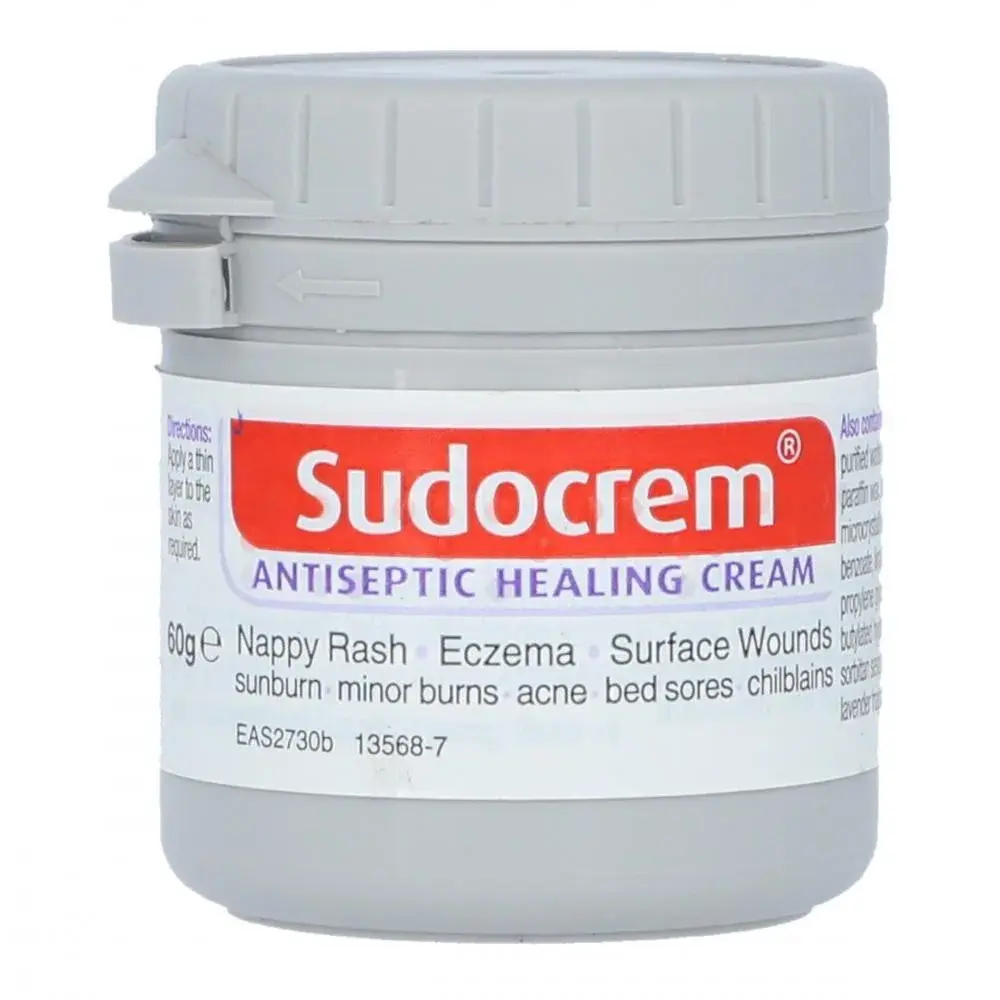
- Sudocrem Antiseptic Healing Cream 60g (Rs 1,195): the same Sudocrem in a small tub for the nappy bag.
If you use a lot of cream, the Sudocrem 250g tub (Rs 2,995) works out cheaper per gram. Our product pages list the cream as the same in all three Sudocrem sizes.
What causes nappy rash
The NHS lists the usual triggers: skin left in contact with wee or poo for too long, nappies not changed often enough, rubbing from the nappy, soaps, detergents or bubble bath, wipes that contain fragrance or alcohol, and diarrhoea. Some medicines, such as antibiotics, can also set it off, and so can thrush, a yeast infection.
Cleveland Clinic splits rashes into types. The most common is irritant rash, caused by wetness sitting on the skin. A yeast rash comes from an overgrowth of Candida, and allergic and bacterial rashes are less common. The type matters, because a barrier cream alone handles the first one well but not always the others.
Heat plays a part too. Long hours in a nappy combined with heat and humidity are a common mix in Pakistan, and skin that stays damp is the skin that gets sore. On hot days, check the nappy more often than you normally would.
How to tell which kind of rash it is
Ordinary irritant rash
The NHS describes red or raw patches on the bottom or across the whole nappy area, sometimes with spots or small blisters. The skin may look dry or scaly and your baby may be uncomfortable. On brown skin the redness can be harder to see, and spots may look darker rather than red, so go by texture and by how your baby reacts during changes.
Yeast (thrush) rash
Cleveland Clinic says a yeast rash tends to sit in the skin folds near the groin, legs and genitals, often with several smaller spots around the main patch. It can look shiny, bumpy or cracked and may be a deeper red or purple. It often follows a course of antibiotics. A yeast rash usually needs an antifungal cream, so this is a job for your doctor or pharmacist rather than a barrier cream on its own.
How to treat nappy rash at home
The NHS steps are simple, and they matter as much as the cream you buy.
- Change wet or dirty nappies as soon as you can. Cleveland Clinic calls this the single most effective step for prevention as well.
- Clean gently. Use plain water, or wipes that are free of fragrance and alcohol. Cleveland Clinic's paediatrician suggests plain water and a soft washcloth while the skin is sore.
- Pat dry, do not rub. MedlinePlus says to apply barrier products only to skin that is completely dry.
- Give nappy-free time. Let your baby lie on a towel without a nappy whenever you can. Fresh air helps the area dry out.
- Apply a thin layer of barrier cream at each change, as the NHS and both our product labels advise.
- Check the fit. A nappy that is too tight rubs, and plastic covers hold in moisture.
The NHS also advises bathing your baby once a day, and no more than twice. In the bath and at changes, skip soap, baby lotion and bubble bath on the nappy area, as these can irritate broken skin. For a gentle wash on the rest of the body, our baby shampoo and lotion guide covers the options.
Sudocrem vs Sebamed: which nappy rash cream to buy
The two creams suit slightly different babies and budgets. Here is how they compare, using our own listings and the brands' published ingredient lists.
| Cream | Size | Price | Main protective ingredients | Texture |
|---|---|---|---|---|
| Sudocrem | 60g | Rs 1,195 | Zinc oxide 15.25%, lanolin 4% | Thick |
| Sudocrem | 125g | Rs 1,595 | Zinc oxide 15.25%, lanolin 4% | Thick |
| Sudocrem | 250g | Rs 2,995 | Zinc oxide 15.25%, lanolin 4% | Thick |
| Sebamed | 100ml | Rs 4,800 | Petrolatum, panthenol, allantoin, pH 5.5 | Softer |
Choose Sudocrem if
You want a thick, well-known zinc oxide cream that costs less per gram. Our listing gives its active ingredients as zinc oxide 15.25%, lanolin 4%, benzyl benzoate 1.01%, benzyl alcohol 0.39% and benzyl cinnamate 0.15%.
The pack also lists it for eczema, minor burns and other everyday skin problems, which our full Sudocrem guide covers in detail. Spread it thinly: Sudocrem's own directions say to apply a thin layer, and our listing adds that you should smooth it in until a thin translucent film remains.
Choose Sebamed if
You prefer a softer cream that spreads easily on sore skin. Sebamed's UK site describes it as a water-in-oil cream with 31% lipid content and a panthenol complex, plus wheat bran extract that the brand says helps soothe irritation. Its published ingredient list includes petrolatum, titanium dioxide and parfum, so read the full list on the Sebamed product page if your baby reacts to fragrance. The brand's direction is to massage it gently into the affected skin after each change.
Do you need both?
No. One good barrier cream used properly beats a shelf full of products. Some parents keep a small Sudocrem tub in the nappy bag and a larger cream at home, which is a matter of convenience rather than need.
Mistakes that keep a rash going
- Talcum powder. Both the NHS and MedlinePlus say to avoid it on the nappy area.
- Scented or alcohol wipes on broken skin. These are on the NHS list of triggers.
- Kitchen remedies. Cleveland Clinic's paediatrician advises against baking soda paste, witch hazel and apple cider vinegar, and says most shop-bought aloe vera gels contain additives that can irritate.
- Scrubbing off every trace of cream. Rubbing broken skin makes it worse. Clean off the mess gently with water and add a fresh thin layer.
- Stopping too soon. Cleveland Clinic says mild rashes usually clear in three to four days with home care. Keep the routine going for the whole time.
When to see a doctor
Take your baby to a doctor rather than trying another cream if any of these apply. The list combines NHS, Cleveland Clinic and MedlinePlus advice.
- The rash has not improved after two to three days of home care, or it is getting worse.
- There are blisters, pus-filled spots, open sores, bleeding or oozing.
- The rash spreads beyond the nappy area.
- Your baby has a fever, or seems very unwell or distressed.
- Your baby is under 6 weeks old (MedlinePlus advice).
- The rash looks like the yeast pattern described above.
The NHS says a doctor may prescribe a mild steroid cream for inflammation, an antifungal cream for thrush, or antibiotics for a bacterial infection. Do not put adult steroid or antifungal creams from the family medicine box on a baby without that advice. Cleveland Clinic notes a yeast rash can take two to three weeks to clear fully, even once it starts to look better.
A simple routine to prevent the next one
Once the skin has healed, prevention is mostly habit. Change nappies often, especially overnight and on hot days. Clean with water, pat dry, and give a few minutes without a nappy where you can. Keep using a thin layer of barrier cream at changes on days when your baby has loose stools or is on antibiotics, since the NHS lists both as triggers.
If you are building a full newborn kit, our baby department has bath, feeding and care basics, and the guides on soothers and colic cover two other common early worries.
Sources
Frequently asked questions
What is the best nappy rash cream in Pakistan?
How often should I apply nappy rash cream?
At each nappy change, in a thin layer, on clean and completely dry skin. Both our product labels give the same direction.
How long does nappy rash take to heal?
Cleveland Clinic says mild rashes usually settle within three to four days. If there is no improvement after two to three days, see a doctor.
Can I use nappy rash cream on a newborn?
Both creams are sold for babies, but MedlinePlus advises calling a doctor about any rash in the first six weeks of life, so get a newborn's rash checked first.
Is your Sudocrem and Sebamed original?
We sell only imported stock. Check the batch code and expiry on the pack when it arrives, and see our returns policy if anything looks wrong.
Liked this one? Get the next in your inbox.
One fortnightly note from the editors, new pieces, restocks, and the routines we're actually using. Unsubscribe any time.