Baby Pacifier in Pakistan: Choosing and Using a Soother Safely
Baby pacifier guide for Pakistan: when to start a chusni, Avent vs Tommee Tippee soothers compared, safe cleaning and when to stop using one.
Ask three elders in a Pakistani family about the chusni and you will get three firm opinions. One says it ruins teeth, one says it stops a baby feeding properly, and one says the baby will never sleep without it. Paediatricians are calmer about it: a pacifier used at the right age, kept clean and dropped at the right time is a useful tool, and some guidance even suggests it at sleep time.
This guide covers what the evidence says, when to start and stop, how to pick a safe soother, and the two imported soothers we stock, side by side.
Our quick picks
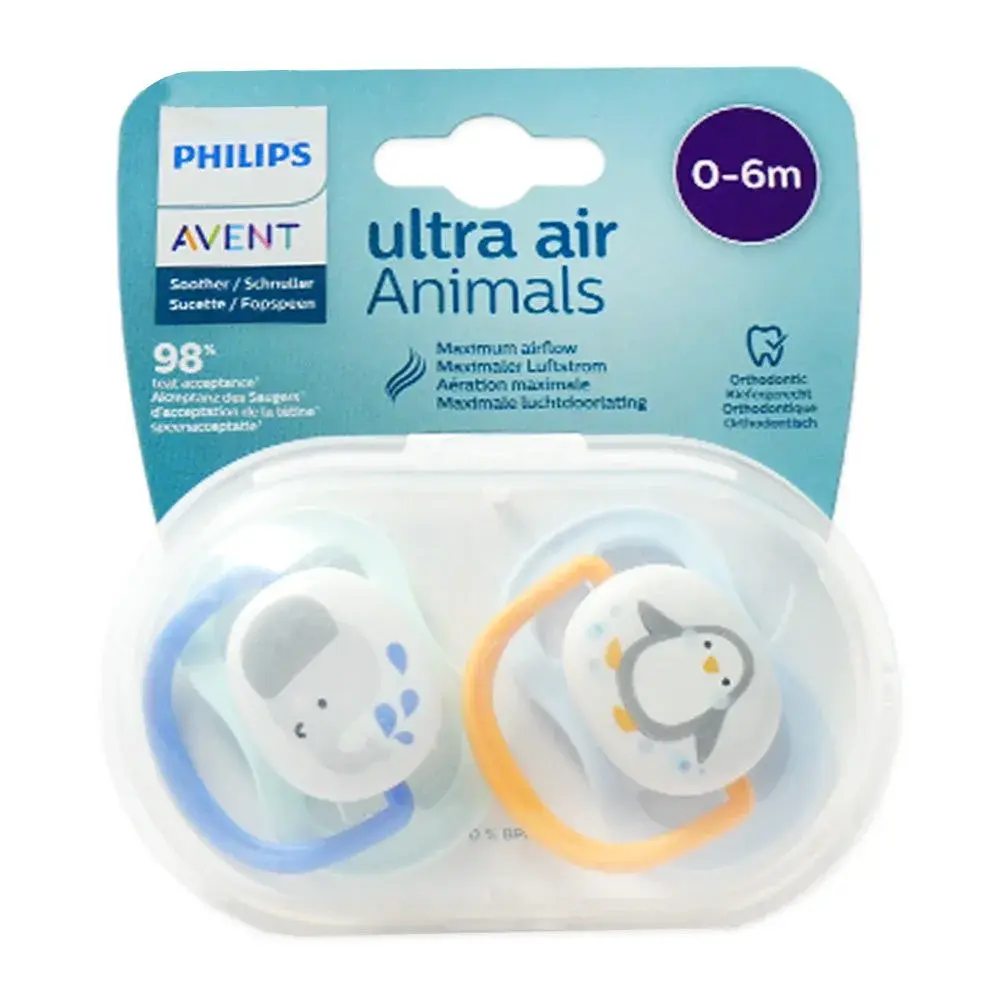
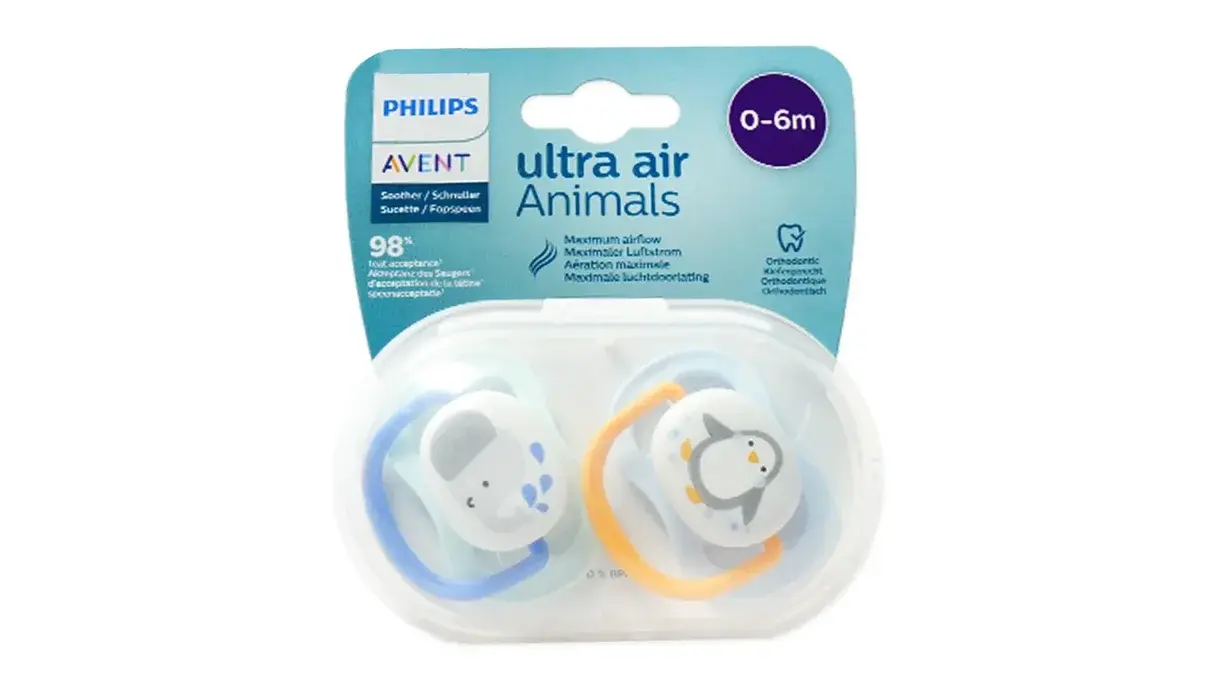
- Philips Avent Ultra Air Soother 0-6m (2 pack) (Rs 3,395), with large air holes in the shield to keep a baby's skin drier in the heat, and a case that doubles as a microwave steriliser.
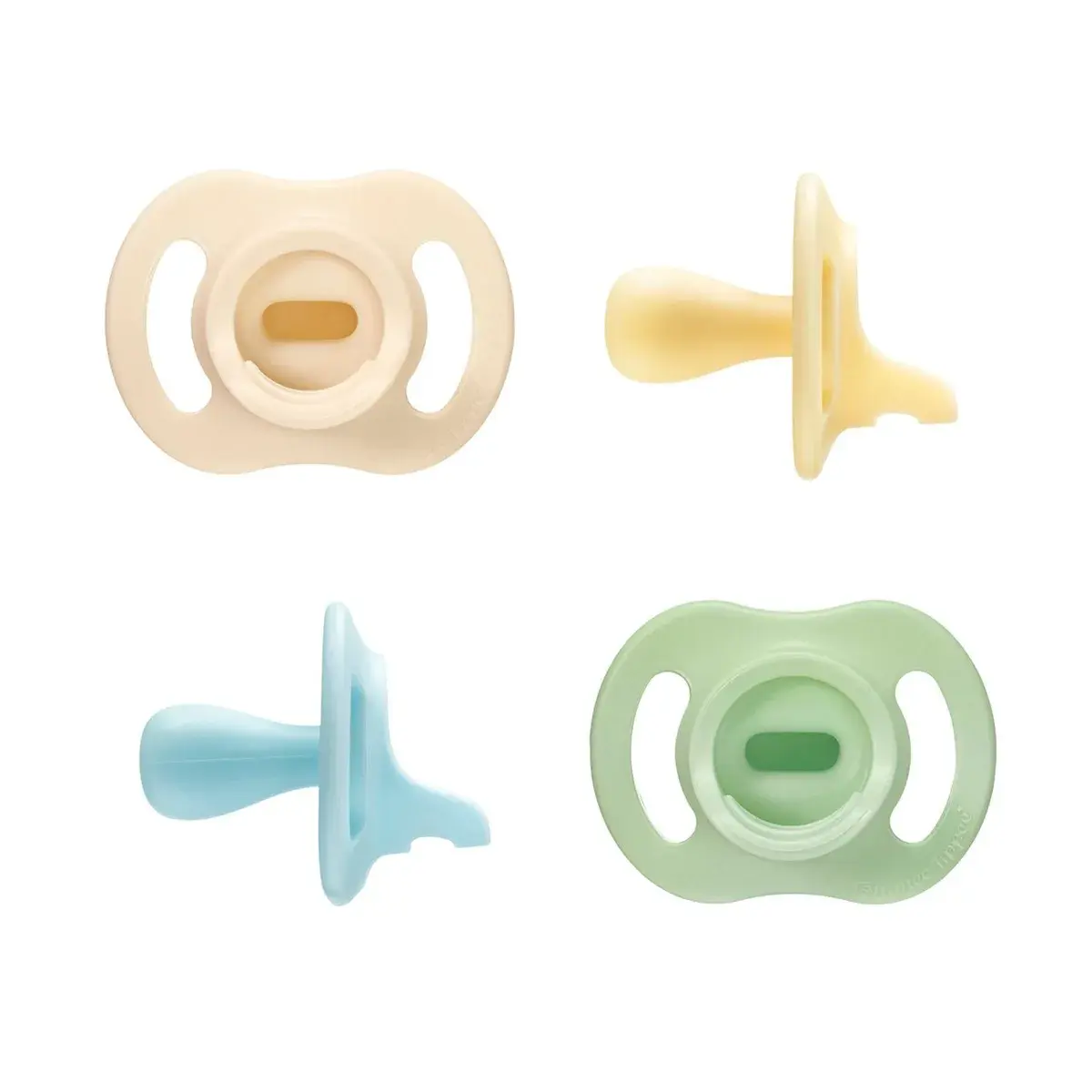
- Tommee Tippee Ultra Light Soother 0-6m (2 pack) (Rs 3,295), made from one piece of silicone, very light, with no joins for milk to collect in.
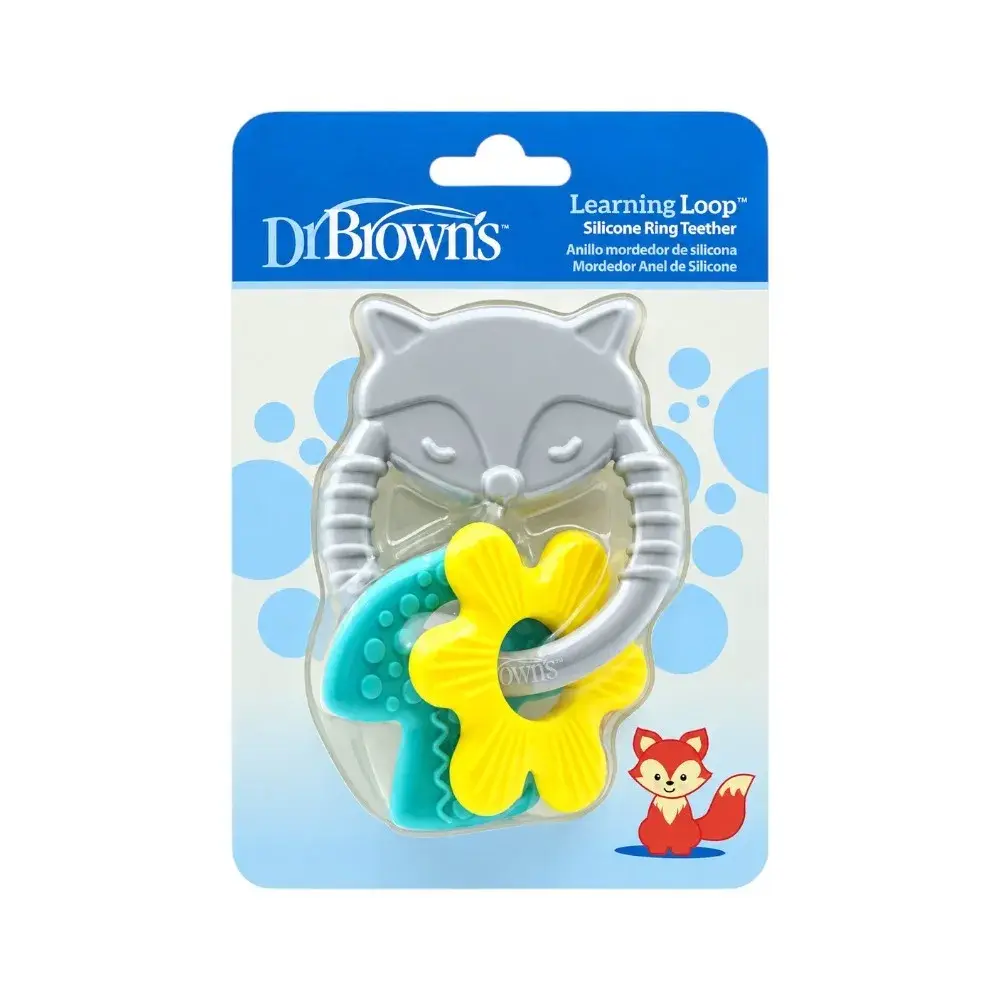
- Dr. Brown's Learning Loop Silicone Teether 3m+ (Rs 3,295), for when sore gums start, so the soother does not have to do a teether's job.
All three are in our Teethers & Feeding section, and both soothers are listed as BPA free with an orthodontic, symmetrical teat.
Pacifier, soother, dummy or chusni: is it good for a baby?
They are all the same thing: a teat attached to a shield that a baby sucks for comfort rather than milk. Babies have a strong natural urge to suck, and Cleveland Clinic paediatrician Dr. Mudd says a pacifier can be very helpful when an infant is fussing.
The benefits
- Settling and sleep. Sucking calms many babies, which can mean a shorter crying spell and an easier time settling them down.
- A possible lower risk of SIDS. The NHS advice on sudden infant death syndrome tells parents to think about using a dummy to settle a baby to sleep, because some research suggests it can help lower the risk. Cleveland Clinic says the effect is strongest in the first six months.
- Help for premature babies. Cleveland Clinic notes pacifiers are often given to premature babies to help them develop the reflexes to suck and swallow.
One thing to keep in proportion: a soother is not the main safety measure. Cleveland Clinic's advice is that safe sleep matters far more. That means baby on their back, on a firm, flat mattress, with no pillows, blankets or soft toys around them. If your baby refuses a soother, that is fine.
The downsides
- Ear infections. Cleveland Clinic says pacifier use in babies aged 6 to 12 months raises the risk of fluid in the ears, and with it ear infections. It describes the risk as small. If your baby keeps getting ear infections, ask your doctor whether to stop.
- Teeth. Long sucking habits can push teeth out of line, but Cleveland Clinic says this becomes a real concern between 2 and 4 years, not in babyhood.
- Night waking. A baby who falls asleep with a soother may wake and cry for it when it drops out. Dr. Mudd's tip is to keep a couple of spares in the cot.
Will a chusni affect breastfeeding?
This is the worry most mothers have, and the advice has softened over time. Cleveland Clinic suggests waiting two to four weeks after birth, until breastfeeding is going well, before offering a pacifier. If you are bottle feeding, there is no need to wait.
A summary of a Cochrane review of two trials with 1,302 healthy full-term babies found no difference in how many babies were still exclusively breastfed at 3 or 4 months, whether or not they used a pacifier. The authors still point to the American Academy of Pediatrics advice: start the pacifier once breastfeeding is established.
Never use a soother to hold off a feed. Cleveland Clinic recommends offering it only when your baby is not hungry. If your baby is struggling to latch or you are worried about weight gain, see your doctor or a lactation consultant before adding a soother.
How to choose a safe soother
The pacifier aisle in any Pakistani pharmacy is a wall of colours and cartoon prints. Cleveland Clinic's safety checklist cuts it down quickly:
- One piece, or very firmly joined. If the teat and shield are separate parts, they can come apart and become a choking hazard.
- A shield too big to fit in the mouth. The baby should never be able to get the whole thing in.
- Easy to clean. Boil it or sterilise it before first use, and squeeze out any hot water trapped inside before giving it to your baby.
- The right size for the age. Both our soothers are 0 to 6 month sizes. The Avent listing says to move up to the 6 to 18 month size at around 6 months.
- Silicone in good condition. If the teat looks rough, sticky, torn or worn, throw it away.
For Pakistani homes, add one more: air holes in the shield. In a Lahore or Karachi summer, a soother can leave a baby's chin and cheeks damp and red, and a shield with large openings lets more air reach the skin.
Philips Avent vs Tommee Tippee soothers
These are the two imported soothers we stock. Both are 2-packs for 0 to 6 months, both have a symmetrical orthodontic teat that sits correctly whichever way it goes in, and both are listed as BPA free. The difference is in the design.
| Soother | Pack | Design | Case | Our price |
|---|---|---|---|---|
| Philips Avent Ultra Air | 2 soothers, 0 to 6 months | Shield with large air holes, silicone orthodontic teat | Carry case that works as a microwave steriliser | Rs 3,395 |
| Tommee Tippee Ultra Light | 2 soothers, 0 to 6 months | One piece of silicone, shield and teat together, very light | Storage case | Rs 3,295 |
Choose the Avent Ultra Air if
Your baby gets a damp, red rash around the mouth, or you live somewhere hot and humid. The open shield is the main reason to pick it. The case also saves you a separate steriliser when you are travelling to the nani's house or out for the day: add water and microwave it as shown on the pack. See the Avent Ultra Air or browse more from Philips Avent.
Choose the Tommee Tippee Ultra Light if
Your newborn keeps losing the soother, or you want the simplest thing to keep clean. Being one piece of silicone means there are no joins where milk and dirt can collect, which also matches Cleveland Clinic's one-piece advice. You can boil it or use a steam steriliser. See the Tommee Tippee Ultra Light or browse more from Tommee Tippee.
Some babies simply prefer one shape over another. Since both come as a 2-pack, buy one pack first and see which your baby accepts before stocking up.
Cleaning and safety habits that matter
- Sterilise before first use, as both our soother listings say, and keep it clean after. Our baby feeder guide covers sterilising methods that also work for soothers.
- Never dip it in honey or sugar. The NHS says honey should not be given before age 1 because it can occasionally cause infant botulism, and it advises avoiding added sugar for children aged 4 and under, partly to protect their teeth.
- Never tie it around the neck. Both our soother listings say this plainly. A cord or ribbon is a strangulation risk.
- Replace it on time. Check it before every use. The Avent listing says to replace it at the first sign of damage or every 4 weeks; the Tommee Tippee listing says at any sign of damage or every one to two months.
Soother or teether?
When teeth start coming, many babies chew hard on the soother. A teether is a better tool for sore gums because it is made for chewing. The NHS teething advice says teething rings give a baby something safe to chew, some can be chilled in the fridge, and none should ever go in the freezer, because a frozen ring can damage the gums.
The Dr. Brown's Learning Loop Silicone Teether (Rs 3,295) is soft silicone with bumps and ridges, light enough for a 3-month-old to hold, and can be chilled in the fridge. Always supervise your baby while they use it.
When to stop the pacifier
Cleveland Clinic's paediatricians give a clear timeline on weaning off the pacifier: aim to stop daytime use by age 1, and no later than 18 months. Using it for naps and bedtime is usually fine up to age 3, but children over 1 should not have it all day.
The longer the habit lasts, the higher the chance of teeth growing out of line, and Cleveland Clinic notes a possible link with speech problems, since a child cannot practise talking with a soother in their mouth. A gradual approach works better than taking it away suddenly:
- Keep it out of sight at home, and limit it to sleep times first.
- Offer a light blanket or soft toy at bedtime for a child over 1, as a new comfort object.
- For older toddlers, make it an event: a goodbye for the chusni, or swapping it for a small toy they choose.
- Praise every night they manage without it, and expect a few fussy days.
If nothing works, raise it at your child's next check-up.
When to see a doctor
A soother is a comfort tool, not a fix. See your doctor if your baby has repeated ear infections, has trouble feeding or gaining weight, or cries for long spells that nothing settles. Our guide to baby colic explains what is normal crying and what is not.
For everything else your baby needs, from feeders to bath care, browse our Baby department. Every product is imported and original, with cash on delivery across Pakistan.
Liked this one? Get the next in your inbox.
One fortnightly note from the editors, new pieces, restocks, and the routines we're actually using. Unsubscribe any time.