Ceramide Moisturizer in Pakistan: How to Repair a Damaged Skin Barrier
What ceramides do for your skin barrier, how to spot the damage, and which ceramide moisturizers are worth buying in Pakistan, with real PKR prices.
You wash your face the way you always have. Then one evening the moisturiser you have used for a year starts stinging on your cheeks, your skin looks tight and slightly shiny under the bathroom light, and a patch near your nose has begun to flake. Nothing new went into the routine. Something went out of it.
That something is usually ceramides. They are the fats that hold your outer skin together, and when the supply runs low, everything you apply afterwards feels like an attack. A ceramide moisturizer is the cheapest and least dramatic way back. Here is what ceramides do, how to tell your barrier is actually damaged rather than just dry, and which products are worth your money in Pakistan.
What ceramides actually are
Picture the top layer of your skin as a brick wall. Dead skin cells are the bricks. The mortar between them is a blend of fats, and ceramides make up around half of that mortar, sitting alongside cholesterol and free fatty acids in a rough 2:1:1 ratio, according to a 2024 review of the skin lipid barrier.
The mortar has two jobs. It keeps water from evaporating out of your skin, and it keeps irritants and bacteria from getting in. When you lose mortar, the wall still stands, but it leaks. Water escapes, so your face feels dry no matter how much you drink. Irritants get through, so a serum you tolerated for months suddenly burns.
Your skin makes its own ceramides. Production falls with age, falls in cold dry air, and falls quickly when you strip your skin with harsh cleansers or too many acids. A ceramide cream tops up the supply from outside while your skin rebuilds its own.
How to tell your skin barrier is damaged
Dry skin and a damaged barrier feel different. Dry skin is uncomfortable. A damaged barrier is reactive. If several of these are true right now, the barrier is the problem:
- Products that used to be fine now sting, tingle or burn for a few minutes after application
- Your face feels tight within a minute of washing, before you have even reached for a towel
- Skin looks red or flushed across the cheeks and around the nose, with visible flaking
- You are oily and flaky in the same patch, which happens when dehydrated skin overproduces sebum
- Small bumps or a rough sandpaper texture have appeared where your skin used to be smooth
- Moisturiser disappears within an hour and the tightness returns
- Old acne marks are taking much longer than usual to fade
If that list describes you, stop adding products. The fix is subtraction first, then ceramides.
What breaks the barrier here, specifically
Most Pakistani women who end up with a wrecked barrier got there through one of these routes.
Too much exfoliation
A salicylic acid face wash in the morning, a glycolic toner at night, a scrub twice a week, and retinol somewhere in between. Every one of those is a reasonable product. Stacked together they dissolve mortar faster than your skin can replace it. If you are using acids, read our guides on salicylic acid and retinol before layering anything else on top.
Whitening creams from the corner shop
Unlabelled fairness creams sold loose in local markets frequently contain potent steroids or mercury. They work for a few weeks, then thin the skin and leave a barrier that reacts to plain water. If your skin got worse after months on a cream with no ingredient list, see a dermatologist rather than trying to repair it yourself.
Hard water and very hot showers
Tap water across much of urban Pakistan is hard, and the mineral residue left on skin after washing is mildly irritating on its own. Add a scalding winter shower and a foaming cleanser twice a day, and the lipids come off with the dirt. Lukewarm water makes a bigger difference here than most people expect.
Air conditioning and the Islamabad winter
Six months of AC pulls humidity out of the air around your face all summer. Then November arrives in the north and the air turns dry for a different reason. If your skin only misbehaves in January and June, the weather is doing more of the damage than your products are.
What to look for on the label
The American Academy of Dermatology tells people with dry skin to look for ceramides and hyaluronic acid, and to avoid fragrance, alcohol and alpha hydroxy acids in a daily moisturiser. That is a short, useful filter for a Pakistani beauty aisle full of scented creams.
On an ingredient list, ceramides usually appear as ceramide NP, ceramide AP and ceramide EOP, or under older names like ceramide 3, ceramide 6-II and ceramide 1. Phytosphingosine and sphingolipids belong to the same family. Seeing them near the middle of the list is fine, because ceramides work at low concentrations.
Ceramides also perform better with company. Cholesterol and fatty acids help rebuild the same mortar. Niacinamide encourages your skin to make more of its own lipids, and panthenol calms the redness while that happens. If you want the detail on niacinamide, we have a full niacinamide guide. What you want to avoid in a barrier-repair product is added perfume, denatured alcohol high in the list, and essential oils sold as a natural bonus.
Ceramide moisturizers worth buying in Pakistan
Prices below are what these cost on Yellow Pink at the time of writing and move with the dollar, so treat them as a guide.
| Product | Best for | Price (PKR) |
|---|---|---|
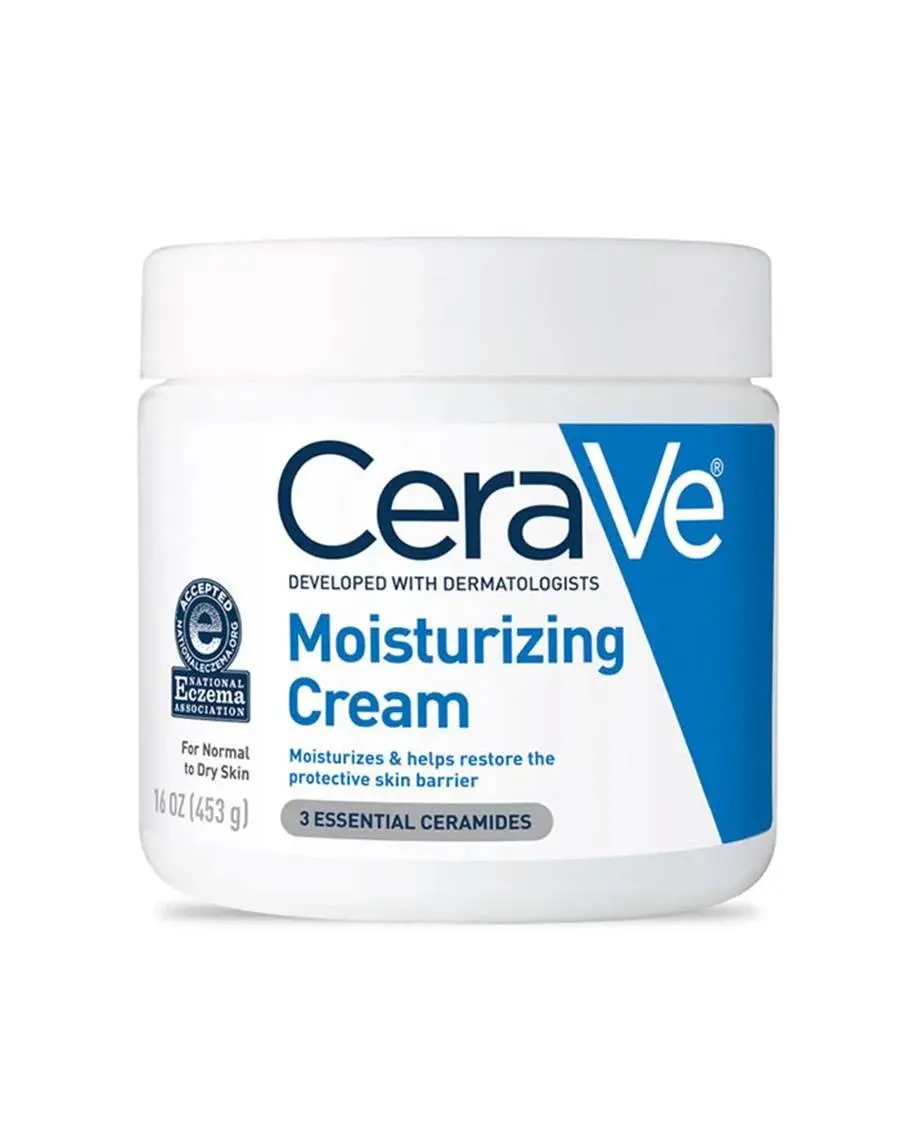
| CeraVe Moisturizing Cream 454g | Dry skin, face and body, whole family | 5,999 |
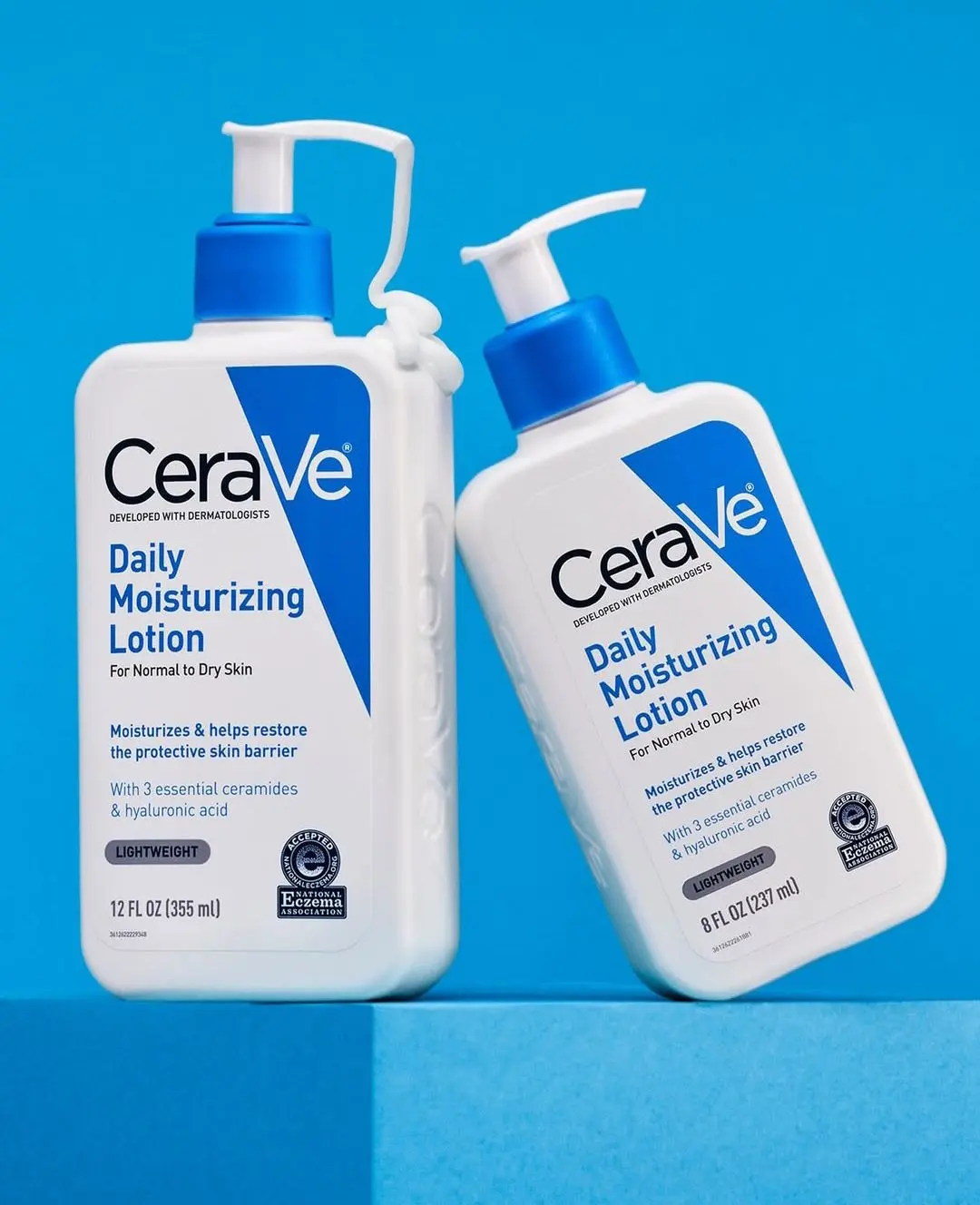
| CeraVe Daily Moisturizing Lotion 237ml | Normal to combination skin, summer | 5,500 |
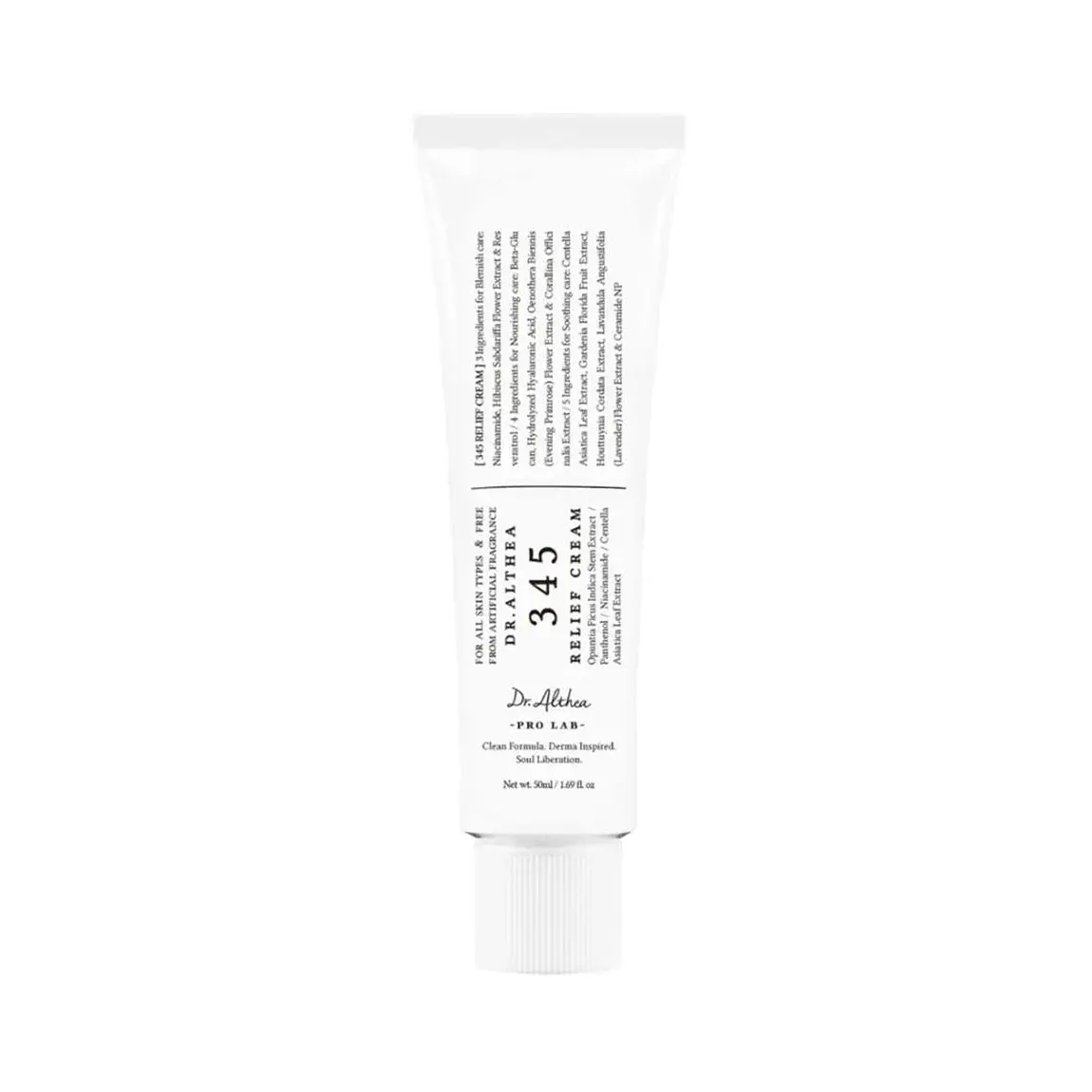
| Dr.Althea 345 Relief Cream | Sensitised, red, reactive skin | 5,500 |
| Mixsoon Bean Cream | Oily skin that still feels tight | 3,999 |
| I'm From Rice Cream | Dullness plus dryness together | 4,999 |
The CeraVe cream is the one most dermatologists in Pakistan end up recommending, and the 454g tub is the reason. It contains three ceramides with hyaluronic acid, carries no fragrance, and a tub that size lasts a household through a winter. It is thick, so oily skin usually prefers the lotion in daytime and keeps the cream for night. Our longer CeraVe Moisturizing Cream guide covers how it behaves in Karachi humidity versus Lahore winter.
Dr.Althea 345 Relief Cream pairs ceramides with panthenol and is the better pick if your skin is currently angry rather than merely dry. Mixsoon Bean Cream is lighter, fermented soybean based, and suits people who break out under heavier creams. If you want to stay inside a K-beauty routine, the K-beauty section has more barrier-focused options, and our Korean skincare routine guide shows where a cream like this fits.
Ceramide serum, cream or lotion
A ceramide serum is not a substitute for a cream. Ceramides are lipids, and lipids sit better in an emulsion with some occlusive weight behind them. Oily skin does better with a light ceramide lotion than with a serum, and dry skin does better with a cream. Save your serum budget for hyaluronic acid or niacinamide, which genuinely work in that format, and let the moisturiser carry the ceramides. The full moisturisers range is sorted by skin type.
The two week barrier reset
This is what actually repairs a damaged barrier. It is boring on purpose.
Days 1 to 14, remove everything except four steps. A gentle non-foaming cleanser at night, plain water in the morning, a ceramide moisturiser twice a day, and sunscreen. No acids, no retinol, no vitamin C, no scrubs, no clay masks, no sheet masks. A low-pH cream cleanser matters more here than the moisturiser does, because you cannot repair a barrier you strip every morning.
Apply moisturiser to damp skin. Pat your face half dry, then apply while there is still moisture on the surface. Ceramides seal in the water that is already there, which is why the same cream feels better on damp skin than on dry.
Use more than you think. Most people use a pea-sized amount on a face that needs closer to a fingertip. If it disappears in twenty minutes, you underapplied.
Keep sunscreen. A compromised barrier burns and pigments faster than healthy skin, so this is the one active step you do not pause. Our sunscreen guide lists options that layer over a heavy cream without pilling.
By day four the stinging usually stops and by day ten the flaking is gone. Around day fourteen you can bring back one active, two or three nights a week, and add nothing else for another fortnight. Most people undo their progress by reintroducing four products on the same evening.
If you are pregnant
Pregnancy is when a lot of women meet ceramides for the first time, because retinoids and most oral acne medication come off the table for nine months. Ceramide moisturisers stay on the table, as does hyaluronic acid. Hormonal changes make skin more reactive around the second trimester too, so a plain fragrance-free cream is a sensible default. If you are working out where you are, our pregnancy calculator gives you the week and the due date. Run any skincare change past your own doctor.
When ceramides are not the answer
A ceramide cream fixes a barrier you damaged yourself. It will not fix a skin condition underneath. Get a doctor's opinion if the flaking is thick and silvery, if the itching wakes you at night, if there is oozing or crusting, or if the redness has lasted months without changing. Persistent eczema needs treatment beyond moisturiser, and our eczema guide explains what that looks like in Pakistan.
One more trap. Small itchy bumps across the forehead and chest that get worse in humid weather and worse still with rich creams are often fungal acne, not a barrier problem. Piling a heavy ceramide cream on top of that makes it flare. If bumps appeared after you started a thick moisturiser in June, that is your clue.
Where to start
Open your bathroom shelf and count how many products in your routine exfoliate. If the answer is more than one, that is your first change, before you buy anything. Then pick a fragrance-free ceramide moisturiser for your skin type, use it morning and night on damp skin, and leave the routine alone for two weeks.
If you want the cheapest working combination, the CeraVe cleanser and cream bundle covers the two steps that do the actual repair. Once your skin has settled, our guide to the right order for a skincare routine will help you rebuild without ending up back here in three months.
This article is for general information and does not replace medical advice. If your skin is painful, oozing, or not improving after a few weeks of gentle care, please see a dermatologist.
Liked this one? Get the next in your inbox.
One fortnightly note from the editors, new pieces, restocks, and the routines we're actually using. Unsubscribe any time.