Thyroid Symptoms: What to Watch For & When to See a Doctor (Pakistan 2026)
Thyroid symptoms like fatigue, weight change and a racing heart: the signs worth checking, and when to ask your doctor for a TSH test in Pakistan.
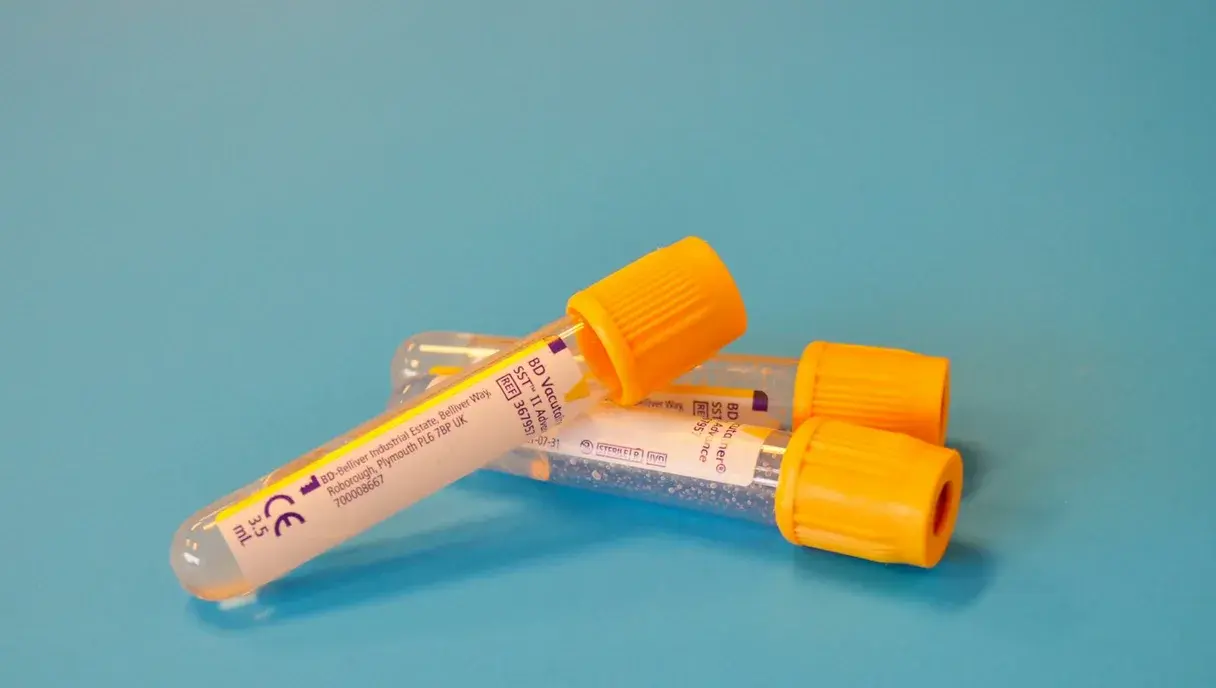
Feeling tired all the time, or noticing your heart racing for no clear reason? Thyroid symptoms are easy to miss because they overlap with everyday stress and a busy life in Pakistan's heat. They also build slowly, so fatigue and weight changes get brushed off as normal for months before anyone thinks to test. This guide explains what the thyroid gland does, the warning signs of an underactive or overactive thyroid, and when to see a doctor rather than guess.
Shop the picks in this guide (4)
- Nutrifactor Nuzinc Zinc Gluconate 50 mg, Rs 800, for everyday zinc gaps if your diet is light on meat, dairy and legumes
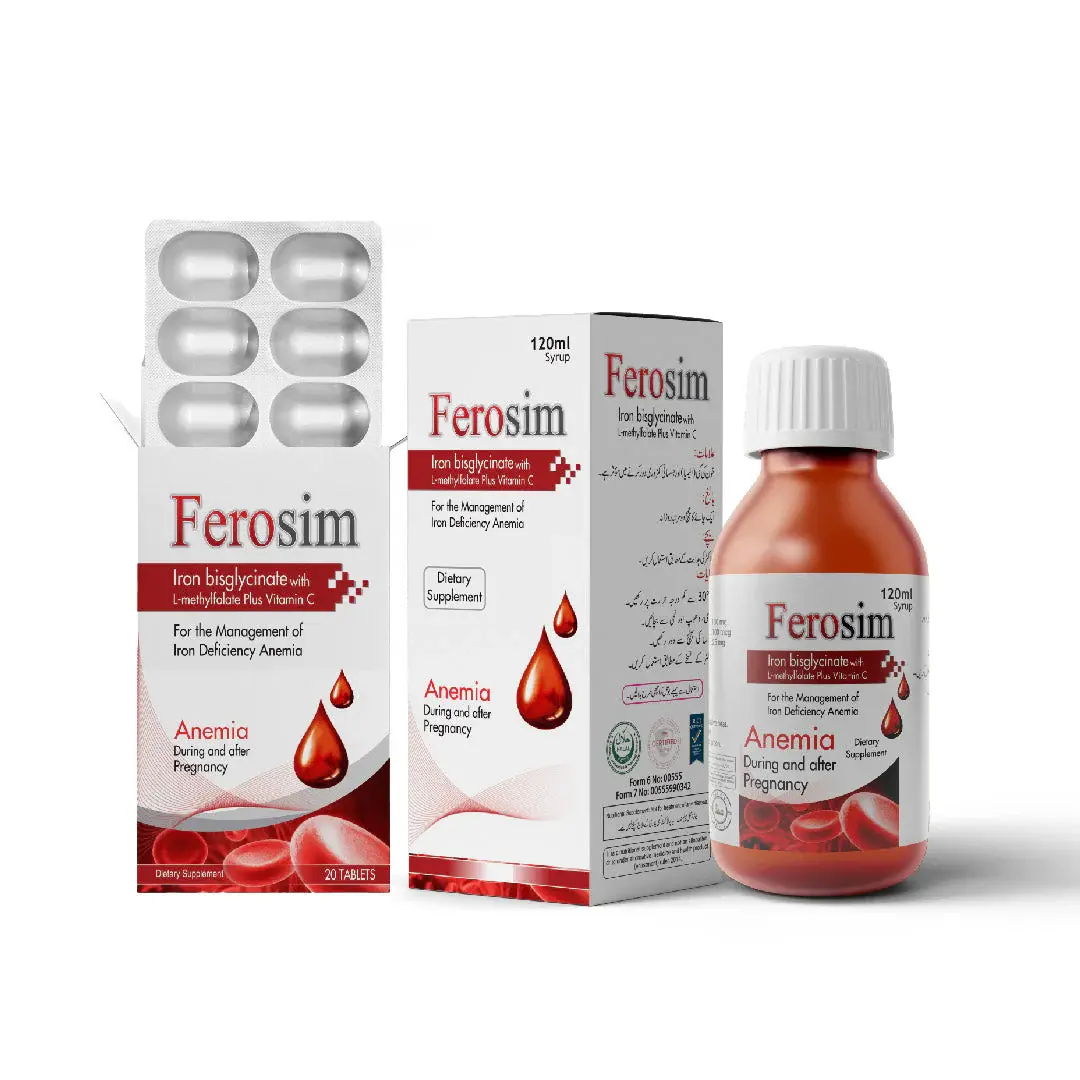
- Ferosim Iron Bisglycinate with Folate, Rs 450, for the low iron that often sits behind the same fatigue
- Nutrifactor Dermazon Skin, Hair & Nails, Rs 1,250, for hair fall and brittle nails while your doctor works on the thyroid
- Nutrifactor Multifactor Multivitamin, Rs 1,150, a 22-nutrient daily tablet proportioned with older adults in mind, for weeks when meals are irregular
None of these treat a thyroid condition and none replace a TSH test. They cover ordinary nutritional gaps alongside whatever your doctor prescribes.
What does the thyroid gland actually do?
The thyroid is a small, butterfly shaped gland in your neck, just below your voice box.
It makes two hormones, T3 and T4. These control your metabolism, the speed at which your body uses energy.
Thyroid hormones affect heart rate, body temperature, weight, mood, and even hair growth. When the gland makes too little or too much hormone, almost every system can feel it.
A gland in the brain, the pituitary, sends a signal called TSH telling the thyroid how much hormone to release. This is why a TSH blood test is the starting point for diagnosis, not a symptom checklist.
Hypothyroidism symptoms: when the thyroid is underactive
An underactive thyroid means the gland is not making enough hormone. The body's processes slow down.
Common hypothyroidism symptoms include:
- Persistent fatigue, even after a full night's sleep
- Unexplained weight gain or difficulty losing weight
- Hair thinning or noticeable hair fall
- Low mood or a flat, sluggish feeling
- A slower than usual heart rate
- Feeling cold when others feel fine
- Dry skin and brittle nails
- Constipation and puffiness around the face
These symptoms build up slowly, often over months, so they are easy to dismiss as ordinary tiredness. If fatigue is your main concern, our guide on common causes of constant tiredness in Pakistan covers other reasons too.
Hair fall linked to thyroid changes is also common. See our piece on reducing hair fall in Pakistan for a wider look at causes.
The NHS notes that the most common cause, Hashimoto's disease, is most common in women and usually starts between the ages of 30 and 50, though anyone can get an underactive thyroid. It is very treatable once diagnosed properly.
Hyperthyroidism symptoms: when the thyroid is overactive
An overactive thyroid means the gland makes too much hormone. The body's processes speed up instead.
Common hyperthyroidism symptoms include:
- Unexplained weight loss despite normal or increased appetite
- Anxiety, restlessness, or feeling constantly on edge
- A fast or irregular heartbeat, sometimes felt as palpitations
- Heat intolerance and excessive sweating
- A fine tremor in the hands
- Trouble sleeping
- Bulging eyes or a swelling in the neck, in some cases
If you are losing weight without trying and feel your heart racing often, this is not something to self-diagnose. The NHS overactive thyroid page says a GP can arrange a blood test to check how well your thyroid is working, and treatment from there is ongoing medical management.
Some people with thyroid issues also struggle with weight changes in either direction. Our guide on gaining weight healthily in Pakistan may help, though a doctor should rule out thyroid causes first.
Why thyroid issues are common and under-diagnosed in Pakistani women
Thyroid disease affects women far more often than men. The US Office on Women's Health says one in eight women will develop thyroid problems during her lifetime. Pakistan-wide figures are patchy, but a few things make cases here easy to miss.
Fatigue, low mood, and weight changes are often dismissed as normal parts of a busy life. Many women push through without ever raising these symptoms with a doctor.
Iodine intake also plays a role, since the thyroid needs iodine to make its hormones. Diets vary across Pakistan, and iodised salt is not used in every household.
Pregnancy and the months after birth are another trigger point. The NIDDK says the hypothyroid phase of postpartum thyroiditis can be mistaken for the "baby blues", the tiredness and moodiness that sometimes follow a birth, and that you should talk to a doctor as soon as possible if those symptoms show up in the first few months.
The practical upshot is the same in every case. If these symptoms have been around for weeks, ask for the test instead of waiting for a routine blood panel to flag something by accident.
How thyroid problems are actually diagnosed
You cannot diagnose a thyroid condition from symptoms alone. Fatigue, weight change, and mood shifts have many possible causes.
The starting point is a TSH blood test, ordered by a doctor. TSH stands for thyroid stimulating hormone, and it is the most sensitive marker of thyroid function.
If TSH is abnormal, your doctor may order further tests, such as free T4, free T3, or thyroid antibody tests, to understand the cause.
A doctor interprets results alongside your symptoms and history, sometimes with a physical exam of your neck. An online checklist cannot replace this process.
Blood work, not a symptom list, is what confirms an underactive or overactive thyroid. Mayo Clinic has a plain-language rundown of hypothyroidism symptoms and causes if you want more background before your appointment.
If your symptoms include heavy fatigue, ask your doctor to check iron levels too. Our guide on iron deficiency in women in Pakistan explains why iron and thyroid issues are sometimes confused, and if a test shows your iron is low, Ferosim is the gentler iron bisglycinate form with folate that we stock.
Thyroid tests in Pakistan: what to expect and rough cost
A TSH test is widely available at labs across Pakistan, and the price varies enough between labs that it is worth checking two before you book. Dr Essa Laboratory lists TSH at Rs 1,730 and its thyroid profile covering T3, T4 and TSH at Rs 4,960.
Chughtai Lab lists Serum TSH at Rs 2,000, its Thyroid Function Test-2 (T3, T4, TSH) at Rs 5,000 and the FT3, FT4 and TSH version at Rs 6,500. Those figures were checked on the labs' own websites in September 2026, and lab rates change without notice.
Home sample collection is common. Essa Lab says every test booked online with them qualifies for free home collection, and other large chains sometimes charge a small fee, so ask when you book.
Always have your results reviewed by a doctor rather than interpreting the report yourself. Reference ranges vary slightly between labs.
Treatment is medical, not a supplement fix
If you are diagnosed with an underactive thyroid, the standard treatment is a prescription medication called levothyroxine. This replaces the hormone your thyroid is not making enough of.
Dosing is individual. The NIDDK says your doctor will give you a blood test about 6 to 8 weeks after you begin the medicine and adjust your dose if needed.
An overactive thyroid may be treated with an anti-thyroid medicine, radioactive iodine, or surgery, depending on the cause. The NHS says the anti-thyroid medicines commonly used are thionamides, mainly carbimazole and propylthiouracil, and that a beta blocker may be given alongside to relieve symptoms in the meantime.
No supplement, tea, or over the counter product treats hypothyroidism or hyperthyroidism. These are hormone conditions that need a doctor's diagnosis and ongoing prescription management.
A note on zinc and general nutritional support
Zinc is a mineral the body needs in small amounts. MedlinePlus says it is needed for the immune system to work properly, and that it plays a role in cell division, cell growth, wound healing and the breakdown of carbohydrates. Zinc is also needed for smell and taste.
Nothing on that list is thyroid treatment. Zinc will not correct an abnormal TSH result.
If your diet is low in zinc rich foods such as meat, dairy, and legumes, a basic supplement like Nutrifactor Nuzinc may help cover everyday gaps as part of a balanced diet. If meals are irregular, Nutrifactor Multifactor is a 22-nutrient multivitamin and multimineral tablet for adults, proportioned with the needs of older adults in mind, and Nutrifactor Dermazon is aimed at adults dealing with hair fall and brittle nails.
Think of all of these as general wellness support, not thyroid treatment.
Timing matters once you are on thyroid medication. MedlinePlus says levothyroxine is usually taken once a day on an empty stomach, 30 minutes to 1 hour before breakfast, and that calcium carbonate or an iron supplement should be taken at least 4 hours before or 4 hours after your levothyroxine dose.
If you suspect a thyroid problem, the right next step is a doctor's appointment and a TSH test, not a supplement. Always tell your doctor or pharmacist about any supplements you take, especially once started on thyroid medication.
When you should see a doctor
See a doctor if you notice several thyroid symptoms together, especially if they last more than a few weeks.
- Persistent fatigue that does not improve with rest
- Unexplained weight change, gain or loss
- A noticeable change in heart rate or new palpitations
- A lump or swelling in your neck
- New or worsening hair thinning
- Mood changes or anxiety without a clear cause
- Irregular periods or fertility concerns
Also ask for thyroid testing during pregnancy planning, postpartum, or if thyroid problems run in your family. Do not wait for symptoms to become severe before raising them.
If you already take thyroid medication and your symptoms change, or you get chest pain, a very fast heart rate, or severe weakness, seek medical attention promptly rather than adjusting your dose yourself.
Living well with a thyroid condition
Most people with a properly diagnosed thyroid condition live full, normal lives. The key is consistent follow up with your doctor.
Take prescribed medication at the same time each day, usually on an empty stomach, as advised. Keep follow up blood test appointments even once you feel better.
Eat a balanced diet and stay active as your doctor advises. Manage stress where you can. Pakistan's heat can make fatigue or heat intolerance feel worse, so mention this at your appointments.
Thyroid symptoms specific to women
Some of the clearest warning signs are ones men never see. The Office on Women's Health says too much or too little thyroid hormone can make periods very light, heavy or irregular, and that when thyroid disease affects the menstrual cycle it affects ovulation too, which can make it harder to get pregnant.
That is why a doctor looking into unexplained cycle changes or trouble conceiving will often check thyroid function early. The NIDDK lists miscarriage among the complications of untreated hypothyroidism in pregnancy, and says a doctor will most likely test thyroid hormone levels every 4 to 6 weeks for the first half of pregnancy in women being treated.
An overactive thyroid tends to push the other way, with fewer and lighter periods than normal. Put those signs next to the ones above, hair thinning, dry skin, feeling cold, stubborn weight gain, and the pattern is easy to mistake for stress or anaemia. One blood test separates them: ask the lab for TSH, and ferritin at the same visit if fatigue is the main complaint.
This article was written and medically reviewed to our medical review board standards and is for general guidance, not personal medical advice. Always speak to a doctor or pharmacist about your own situation.
If any of this sounds like you, book a TSH test first and take the report to your doctor. For everyday nutrition alongside whatever your doctor prescribes, browse our Women's Health range. We deliver across Pakistan with cash on delivery, and delivery is free on orders over Rs 5,000 in Punjab.
Shop Nuzinc Zinc Supplement →Frequently asked questions
Can I tell if I have a thyroid problem just from my symptoms?
No. Thyroid symptoms overlap with other conditions, including anaemia and stress. A TSH blood test ordered by a doctor confirms a thyroid problem.
What is a normal TSH level?
Ranges vary slightly between labs, so ask your doctor to interpret your specific result rather than comparing it to a number found online.
Can diet alone fix an underactive thyroid?
No. Nutrients like iodine and zinc support general health, but a diagnosed underactive thyroid usually needs prescription medication such as levothyroxine.
Is thyroid disease common in Pakistan?
Thyroid disorders are common and affect women more than men. The US Office on Women's Health says one in eight women will develop thyroid problems during her lifetime, and reliable Pakistan-wide figures are hard to come by. Under-reporting of symptoms means many cases likely go undiagnosed.
Does zinc treat thyroid problems?
No. Zinc supports the immune system, cell growth and wound healing, but it does not treat hypothyroidism or hyperthyroidism. Diagnosis and treatment need a doctor.
Should I get tested if thyroid problems run in my family?
It is reasonable to mention this to your doctor, who can advise on testing, especially around pregnancy or if you have symptoms.
How often are follow up thyroid tests needed once I am on treatment?
The NIDDK says a blood test about 6 to 8 weeks after you start levothyroxine, with the dose adjusted if needed. Once your dose is working, it says the test is usually repeated at 6 months and then once a year.
Liked this one? Get the next in your inbox.
One fortnightly note from the editors, new pieces, restocks, and the routines we're actually using. Unsubscribe any time.