Sippy Cup in Pakistan: Avent vs Tommee Tippee vs Pigeon
Sippy cup prices in Pakistan for Avent, Tommee Tippee and Pigeon, which cup suits 6, 8 or 9 months, and NHS advice on valves, bottles and baby teeth.
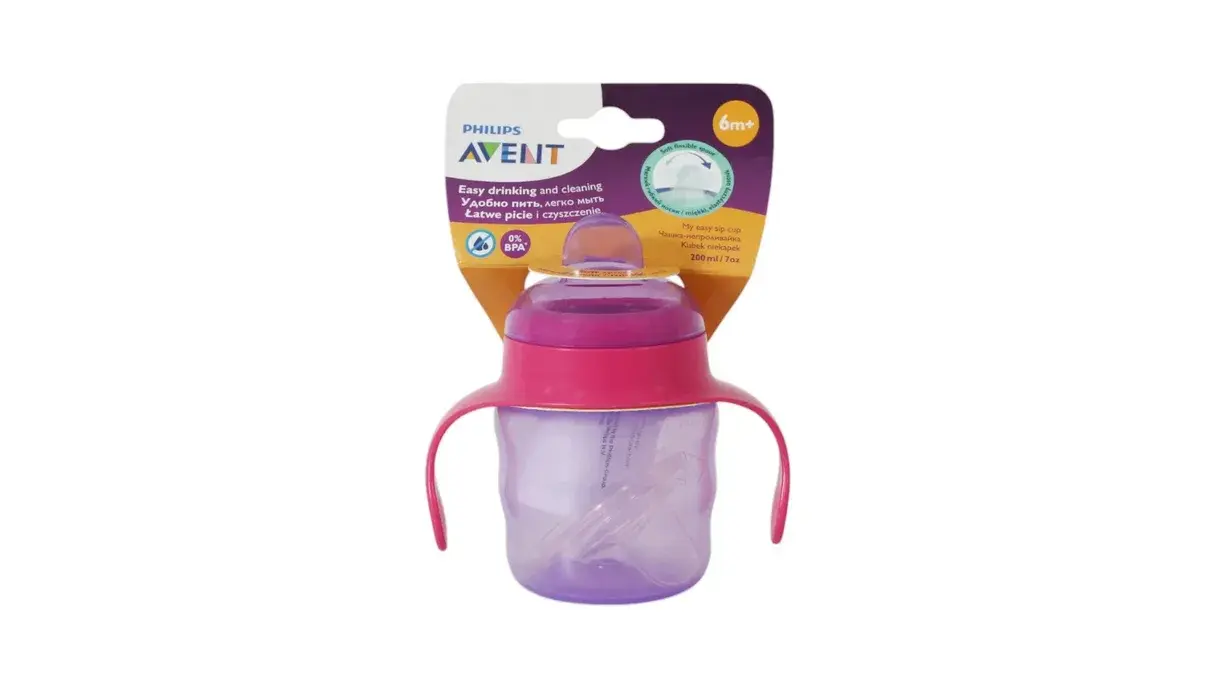
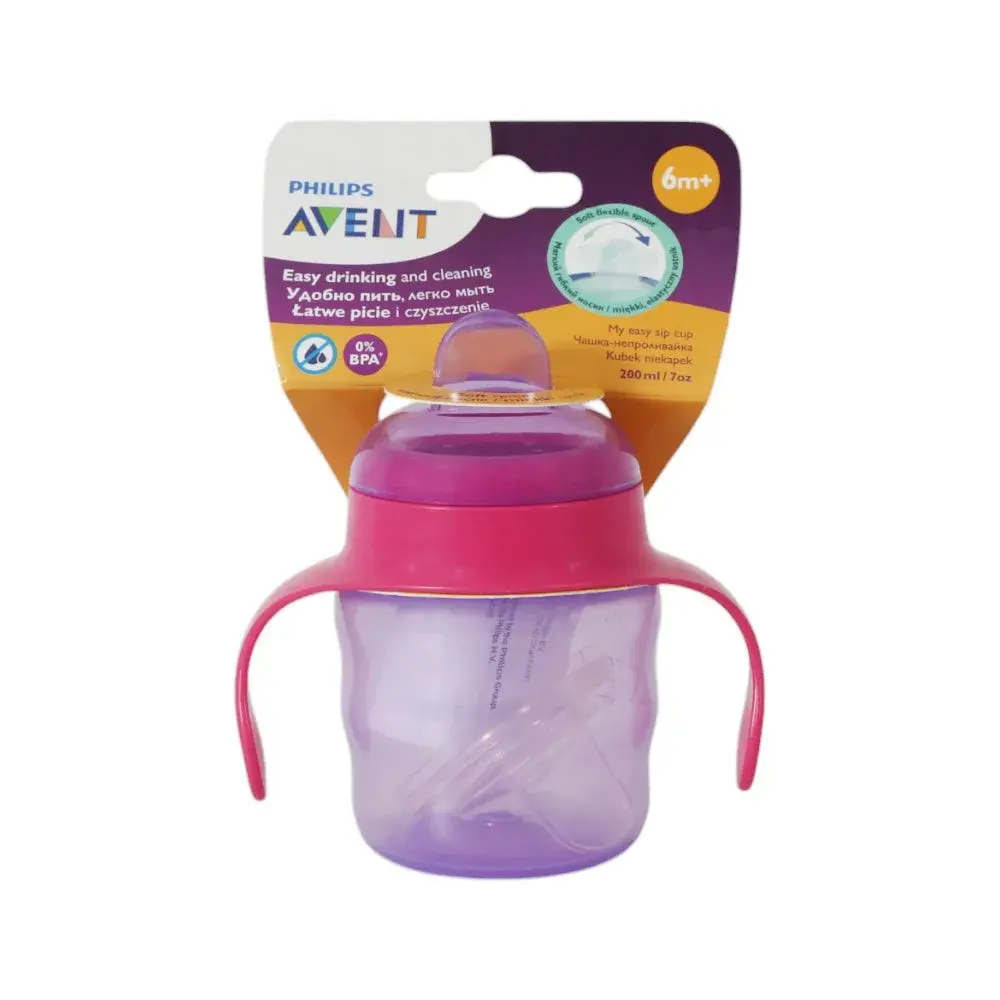
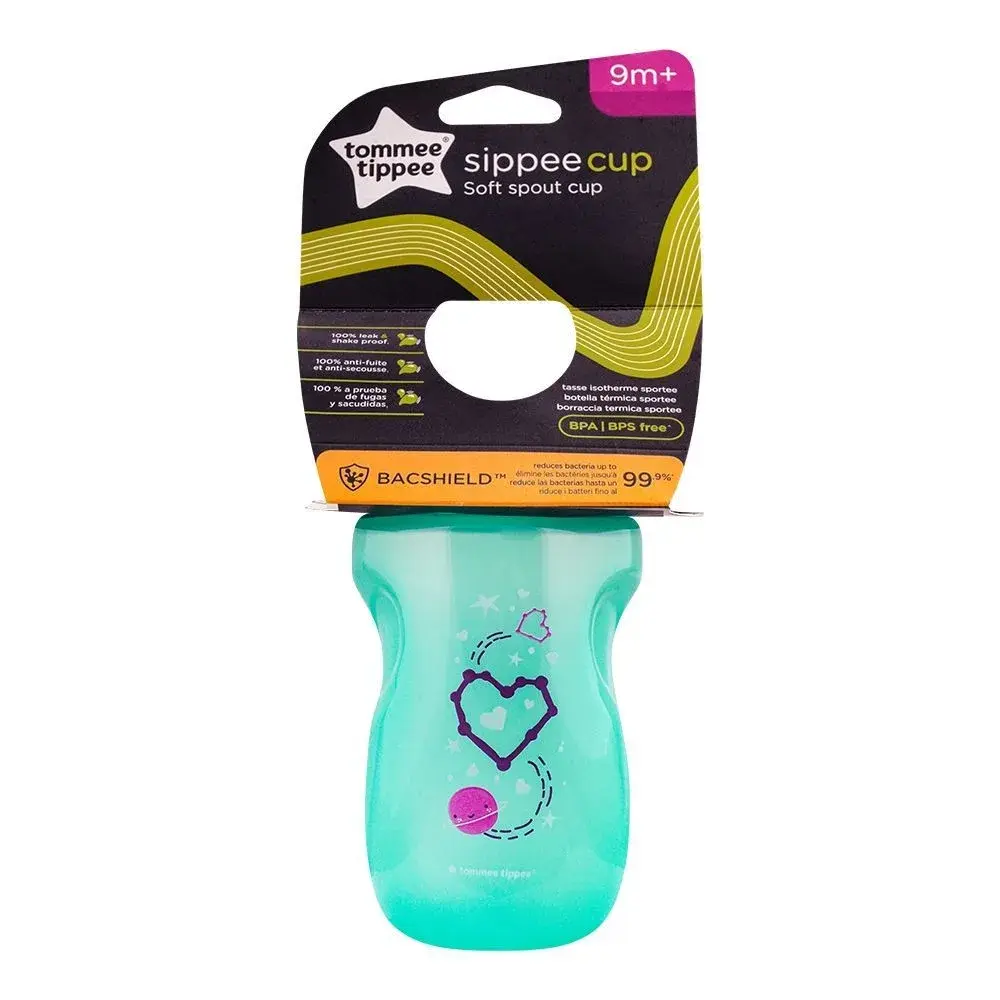
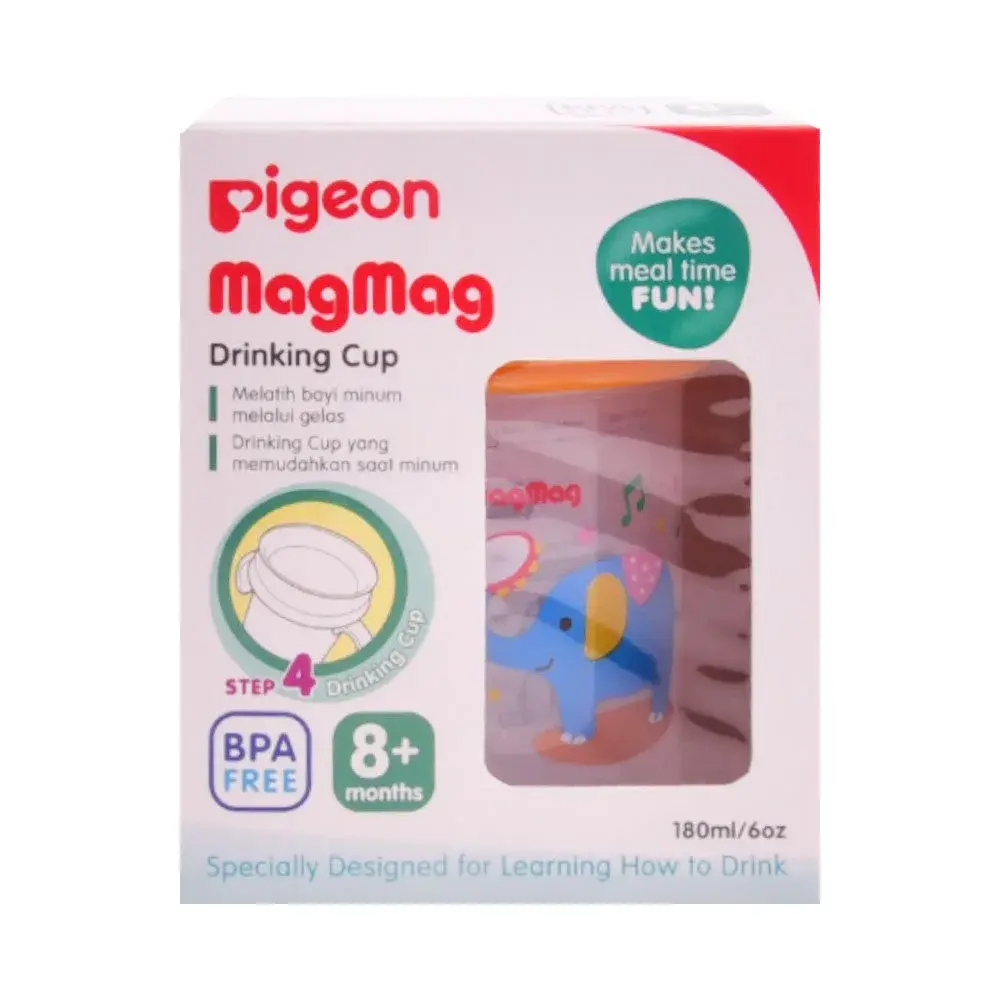
In many homes the move from feeder to cup happens with a steel glass, an elder holding it and water down the shirt. The three imported cups we stock cover each stage: the Philips Avent My Easy Sippy Cup 200ml (Rs 3,750) for a first cup from 6 months, the Tommee Tippee Sippee Cup 300ml (Rs 3,400) for toddlers from 9 months, and the Pigeon MagMag Drinking Cup 180ml (Rs 2,150) for learning to sip from a rim from 8 months.
Below is which one suits which stage, what the NHS and MedlinePlus say about cups and bottles, and the habits that matter more than the brand on the lid.
Sippy cup prices in Pakistan: the quick comparison
All three are original imported cups, sold with cash on delivery across Pakistan. The details below come from our product pages.
| Cup | Size | Age on pack | Spout or lid | Spills | Price |
|---|---|---|---|---|---|
| Philips Avent My Easy Sippy Cup | 200ml | 6m+ | Soft silicone spout, easy-grip handles | Leak-resistant valve | Rs 3,750 |
| Tommee Tippee Sippee Cup | 300ml (10oz) | 9m+ | Spout cup for toddlers | Non-spill valve | Rs 3,400 |
| Pigeon MagMag Drinking Cup | 180ml | 8m+ | Lid that limits flow, drink from the rim, handles | Training cup, not fully leak proof | Rs 2,150 |
All three are listed as BPA free. You can browse every bottle, cup and teether together on our Teethers & Feeding page, or the whole Baby department.
When should a baby start using a cup?
The NHS advises introducing a cup or beaker from around 6 months, offering sips of water with meals. That lines up with when most babies start solid food. MedlinePlus gives the same age: teach your baby to drink from a cup at 6 months.
At this age the cup is practice, not a main drink. Breast milk or formula is still the main drink through the first year. Expect most of the water to end up on the bib for the first few weeks. That is normal and it is how they learn.
On stopping the bottle, the NHS says that once your baby is 1 year old, feeding from a bottle should be discouraged. MedlinePlus, in its page on early childhood tooth decay, suggests stopping the bottle at 12 to 14 months. So the cup you start at 6 months is the one that should take over by the first birthday.
Valve, free-flow or open cup: what the NHS prefers
This is the part most cup boxes leave out. The NHS says an open cup, or a free-flow cup without a valve, helps your baby learn to sip and is better for their teeth. It also says a cup with a free-flow lid (no non-spill valve) is better than a bottle or a beaker with a teat.
A non-spill valve means the child has to suck to get the drink out, a lot like a bottle. That is why valved cups are so handy in a car or a nappy bag, and also why they do less to teach sipping. As soon as your child is ready, the NHS suggests moving on from a lidded beaker to an open cup.
In practice, many parents keep two cups going: a valved cup for outings and naps away from home, and a free-flow or rim cup at the table where spills do not matter. That way the travel cup does not slow the learning.
Which cup suits which stage
6 months and up: Philips Avent My Easy Sippy Cup
The Avent My Easy Sippy Cup 200ml (Rs 3,750) has a soft silicone spout, which our listing notes feels familiar to a baby used to a bottle teat. The easy-grip handles suit hands that cannot yet hold a cup body. The leak-resistant valve makes it the better pick for travel, and it comes apart for washing.
It is a good first cup for a baby who refuses anything hard in the mouth. Because it has a valve, pair it with some open-cup practice at meals, as the NHS suggests.
8 months and up: Pigeon MagMag Drinking Cup
Pigeon's MagMag range is a step-by-step system for moving from bottle to cup, and the MagMag Drinking Cup 180ml (Rs 2,150) is step 4. The lid controls how much flows while your baby tips the cup and sips from the rim, so it is the closest of the three to the open-cup drinking the NHS recommends.
The trade-off is mess. Our listing is clear that it is a training cup and not fully leak proof in a bag, so keep it for home and meals. It is also the most affordable of the three.
9 months and up: Tommee Tippee Sippee Cup
The Tommee Tippee Sippee Cup 300ml (Rs 3,400) is a spout cup sized for toddlers rather than first-timers. Its one-piece non-spill valve stops spills when it is dropped from the high chair, and it is easy to clean.
At 300ml it holds the most water, which helps on a hot Lahore or Karachi afternoon or a long car trip. Because the valve needs sucking, treat it as the go-to cup for outings rather than the only cup your toddler uses.
What to put in the cup
The cup matters less than what goes in it. The NHS guidance on drinks for babies and young children is simple:
- Water: sips with meals once solids start, from around 6 months. For babies over 6 months, the NHS says tap water does not need to be boiled first. That advice is written for UK mains water; where your supply is unsafe to drink, use water that is safe for the family, boiled and cooled.
- Breast milk or formula: still the main drink until 12 months.
- Cow's milk: not as a main drink until 12 months, although it can be used in cooking.
- Fruit juice: babies under 12 months do not need it. For older children, the NHS suggests diluting it (one part juice to 10 parts water) and keeping it to mealtimes.
- Tea: the NHS says tea and coffee are not suitable for babies or young children. Worth saying gently to the elders who like to share a sip of chai.
- Squash, fizzy and "juice" drinks: not suitable for young children; the NHS warns that they can cause tooth decay, even when diluted.
Cups, bottles and baby teeth
MedlinePlus explains that sleeping or walking around with a bottle or sippy cup of milk or juice keeps sugar in a child's mouth, which feeds tooth decay. Its advice: remove the bottle if your child falls asleep, and if a drink goes to bed with them, make it water only.
This applies to valved cups as much as bottles. A toddler sipping sweet juice from a Sippee cup all afternoon gets the same sugar bath on their teeth. Keep sweet drinks to meals and let the cup that travels around the house hold plain water.
The NHS also says to start brushing as soon as the first milk tooth breaks through, twice a day, with a smear of fluoride toothpaste containing no less than 1,000ppm fluoride. Our toothpaste guide explains how to read fluoride levels on a tube.
Cleaning and safety tips
- Wash every part after every use. All three listings say to wash before first use and after each drink. Valves and spouts collect milk residue, so take them apart.
- Check the valve after washing. Both the Avent and Tommee Tippee listings note the valve has to be pushed back in properly, or the cup will leak.
- Check the spout. Look it over before each use and replace a torn or bitten spout rather than carrying on with it.
- Do not leave milk sitting in a cup. Milk left in a warm car or nappy bag spoils fast in Pakistani summers. Fill it fresh.
- Stay close at first. Sit your baby upright for drinks and stay with them, just as you would at meals.
Moving from feeder to cup without tears
Start with one cup of water at one meal a day, with your baby sitting upright in a high chair or on your lap. Let them hold the handles and tip it themselves, even if it is messy. Babies learn by copying, so drink from your own cup alongside them.
Once they manage a few sips, replace one bottle feed at a time with a cup, starting with the daytime ones. The bedtime feed is usually the last to go. If you are still choosing bottles for the months before that, our feeder bottle guide compares Avent, Tommee Tippee and Pigeon side by side.
Weaning off sucking is a gradual process. If your baby also uses a dummy, our pacifier guide covers when and how to cut back. Teething babies who chew the spout often do better with something made for chewing, such as the Dr. Brown's Learning Loop Silicone Teether (Rs 4,150).
When to talk to your doctor
Speak to your child's doctor if your baby coughs or chokes often when drinking, refuses all fluids, has fewer wet nappies than usual, or still cannot manage any drinks from a cup by around the first birthday. See a dentist if you notice spots or discolouration on your child's teeth.
Frequently asked questions
What is the best sippy cup for a 6 month old?
A cup with a soft spout and two handles is easiest at the start, such as the Philips Avent My Easy Sippy Cup. Add open-cup practice at meals, since the NHS says cups without a valve are better for learning to sip.
Is a sippy cup better than a feeder?
For drinks after 6 months, yes. The NHS says a free-flow cup is better than a bottle or beaker with a teat, and that bottle feeding should be discouraged after the first birthday.
Can I give my baby milk in a sippy cup?
Breast milk or formula can go in a cup. Cow's milk should not be a main drink until 12 months, and milk should not sit in a cup your child sips from all day or at bedtime.
Are these cups original?
Yes. We sell original imported Avent, Tommee Tippee and Pigeon stock. Check the batch code on the pack when it arrives and pay cash on delivery. See our returns policy for unopened items.
An article can only be general. Talk to one of our registered doctors on WhatsApp about what applies to you; they reply within a day.
Ask a doctorLiked this one? Get the next in your inbox.
One fortnightly note from the editors, new pieces, restocks, and the routines we're actually using. Unsubscribe any time.