Milia on Face: What Those Tiny White Bumps Are and How to Get Rid of Them
Milia are the hard white bumps that never pop, and they are not whiteheads. What causes them, why picking backfires, and what actually clears them.
There is a particular kind of frustration that comes from a bump you cannot pop. It sits under the skin near the eye or along the cheekbone, hard and pearly white, and it has been there for months. You have steamed it, scrubbed it, held a hot cloth over it and finally attacked it with your nails at 1am. Nothing came out. It is still there, and now the skin around it is red.
That bump is almost certainly a milium, and the reason none of the acne tricks worked is that it is not acne. Milia are a completely different structure with a completely different fix, and once you understand what is actually sitting under the skin, the right approach becomes obvious.
What milia actually are
A milium is a tiny cyst filled with keratin, the same tough protein that makes up the outer layer of your skin. The National Center for Biotechnology Information's StatPearls review describes milia as benign subepidermal keratin cysts that present as small, firm, white papules, usually under 3 mm across, white to yellow and dome shaped.
The word that matters there is cyst. A whitehead is a pore that has become blocked with oil and dead skin, and it has an opening to the surface, which is why it can be squeezed out. A milium has no opening. It is a sealed pocket of keratin sitting in a layer of skin, more like a tiny grain of sand embedded under cling film. MedlinePlus describes them simply as dead skin trapped in small pockets at the surface of the skin. Squeezing a sealed pocket does not empty it. It just bruises the skin on top.
Milia or whiteheads? How to tell them apart
This is the part most people get wrong, and getting it right saves you months of using the wrong products. Use this as a rough guide, not a diagnosis.
| Feature | Milia | Whiteheads (closed comedones) |
|---|---|---|
| How it feels | Firm, hard, like a tiny bead under the skin | Softer, slightly squishy |
| Colour | Pearly white to pale yellow | White or skin coloured, often with redness around it |
| Opening on top | None visible | Usually a tiny pore opening |
| Where | Under the eyes, on the eyelids, along the cheekbones, on the nose | Forehead, chin, nose, jawline, wherever you break out |
| Does it change? | Stays the same size for weeks or months | Comes up, may become inflamed, then settles |
| Painful? | No | Can be tender |
| Responds to acne treatment? | Slowly at best | Yes, usually within weeks |
Two other things get mistaken for milia. Sebaceous hyperplasia shows up as small soft bumps with a dip in the middle, often on the forehead and nose of adults. Flat warts appear as slightly raised, flat topped bumps that can spread in a line where you scratched. StatPearls lists both, plus comedonal acne, among the conditions milia are confused with. A dermatologist can tell them apart by looking, and generally needs no test at all.
If your bumps are the soft, changeable kind rather than the hard pearly kind, our guide on removing blackheads and whiteheads is the one you want instead.
Who gets milia
Babies, mostly. Primary congenital milia occur in up to 40% to 50% of healthy full term newborns according to StatPearls, usually on the nose. A study of 1,202 newborns in Iran, published in Dermatology Research and Practice, found milia in 45.2% of the babies examined, the single most common skin finding in that group. If you are a new mother looking at white specks on your baby's nose, that is what this is. MedlinePlus notes these clear on their own in the first few weeks and need no treatment, no cream and no home remedy.
Adults get them too, and here the milia tend to be stubborn. They cluster around the eyes and on the upper cheeks, which is also where the skin is thinnest and where people are most reluctant to use anything active. That combination is why adult milia can sit unchanged for a year.
What causes milia in adults
Doctors split them into two groups. Primary milia arise on their own with no obvious trigger, which describes most of the ones you see around the eyes. Secondary milia appear where the skin has been through something, and the documented triggers are more specific than most beauty advice suggests.
StatPearls lists chronic topical steroid use, which thins the skin over time, along with non steroidal anti inflammatory medicines, and physical trauma including dermabrasion, radiotherapy, burns and skin grafting. Certain blistering skin diseases cause them as well.
The steroid point deserves attention in Pakistan. Plenty of the strong "fairness" and quick fix creams passed around here contain a steroid, sometimes without saying so clearly on the front of the tube. If you have been using the same unlabelled cream on your face for months and new bumps have appeared, read the ingredient list, and if you cannot find one, that is your answer about the product. Our guide to whitening creams and what is actually in them covers how to check.
What about rich moisturisers and heavy eye creams? They get blamed constantly. The honest position is that the medical literature documents steroids, medicines and physical trauma as causes, and does not establish an ordinary face cream as one. If you suspect yours, the reasonable move is to switch to something lighter for eight weeks and see, not to panic about every occlusive ingredient.
Why picking at them backfires
Here is the argument that should stop you, and it comes from the list above. Trauma to the skin is itself a documented cause of secondary milia. When you dig at a sealed keratin cyst with a needle or your nails, you injure the surrounding skin, and injured skin is exactly the environment in which new milia form. You can turn one bump into three, plus a mark that outlasts all of them.
Proper removal is a small clinical procedure. StatPearls describes it as evacuation through a tiny incision with tangential pressure applied using a comedone extractor or curette. That is a sterile blade opening the roof of the cyst, done by someone trained. It is quick and it works, and it is not something to attempt over a bathroom sink with a safety pin.
What actually helps at home
Since the cyst is sealed under a layer of skin, the only thing topical products can do is thin and turn over that layer until the contents can escape. That is slow. Give any of these three months before deciding they failed.
1. A gentle chemical exfoliant
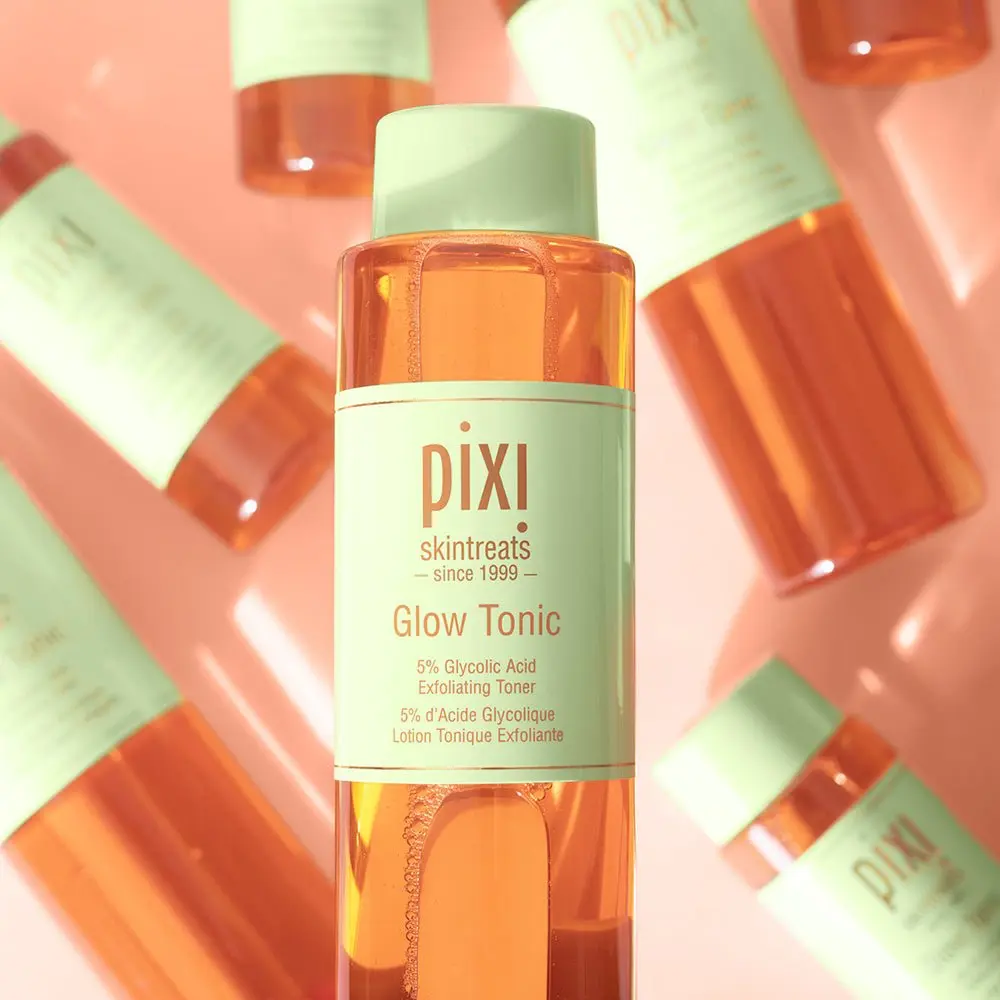
Glycolic acid is an alpha hydroxy acid, and Pixi describes it as gently accelerating surface cell turnover. That is the mechanism you want here: faster shedding of the layer sitting over the cyst. Pixi Glow Tonic 5% Glycolic Acid Toner (250ml, Rs 3,999) is alcohol free and Pixi lists it as suitable for daily use, with the instruction to start two to three times a week if your skin is new to acids. Note that Pixi's own directions say to keep it away from the eye area, so sweep it over the cheekbones and forehead rather than right under the lash line. If you want the background first, read our glycolic acid guide.
2. A retinoid at night
This is the one with the most support behind it. StatPearls names topical retinoids among the treatment options for milia, alongside the in clinic methods. A retinoid speeds up how quickly skin cells turn over, which thins the roof of the cyst from above.
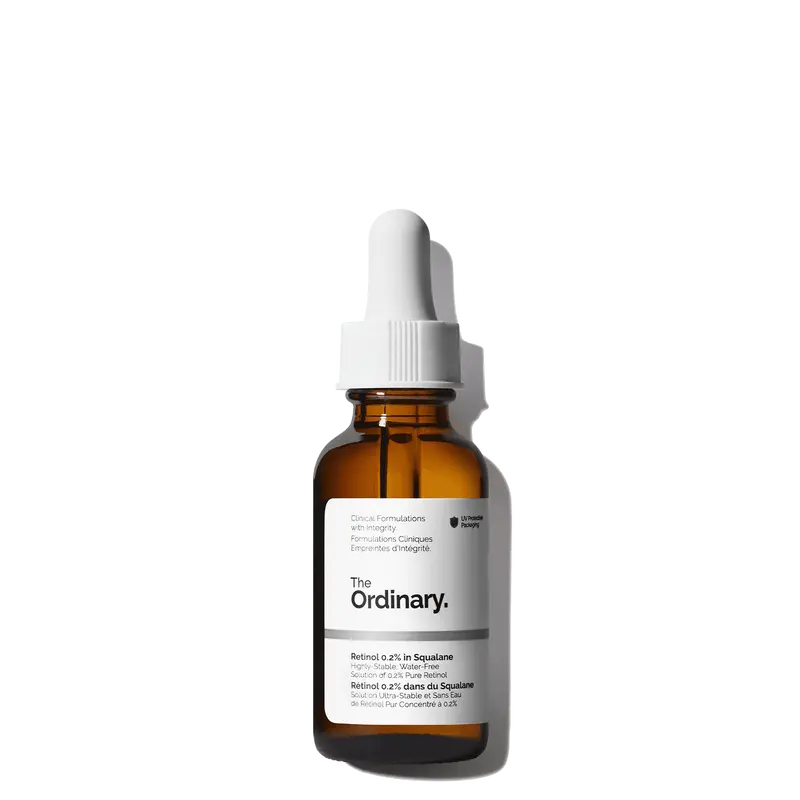
Start low. The Ordinary Retinol 0.2% in Squalane (30ml, Rs 3,960) is the brand's entry level strength in a squalane base, meant for first time users. It is evenings only, and The Ordinary advises against layering it with acids or direct vitamin C in the same routine, so alternate nights if you are also using a glycolic toner. Retinol increases sun sensitivity, and the brand says to avoid retinoids in pregnancy and breastfeeding. Our retinol beginner's guide covers how to build up without the peeling phase derailing you.
3. Something usable around the eyes
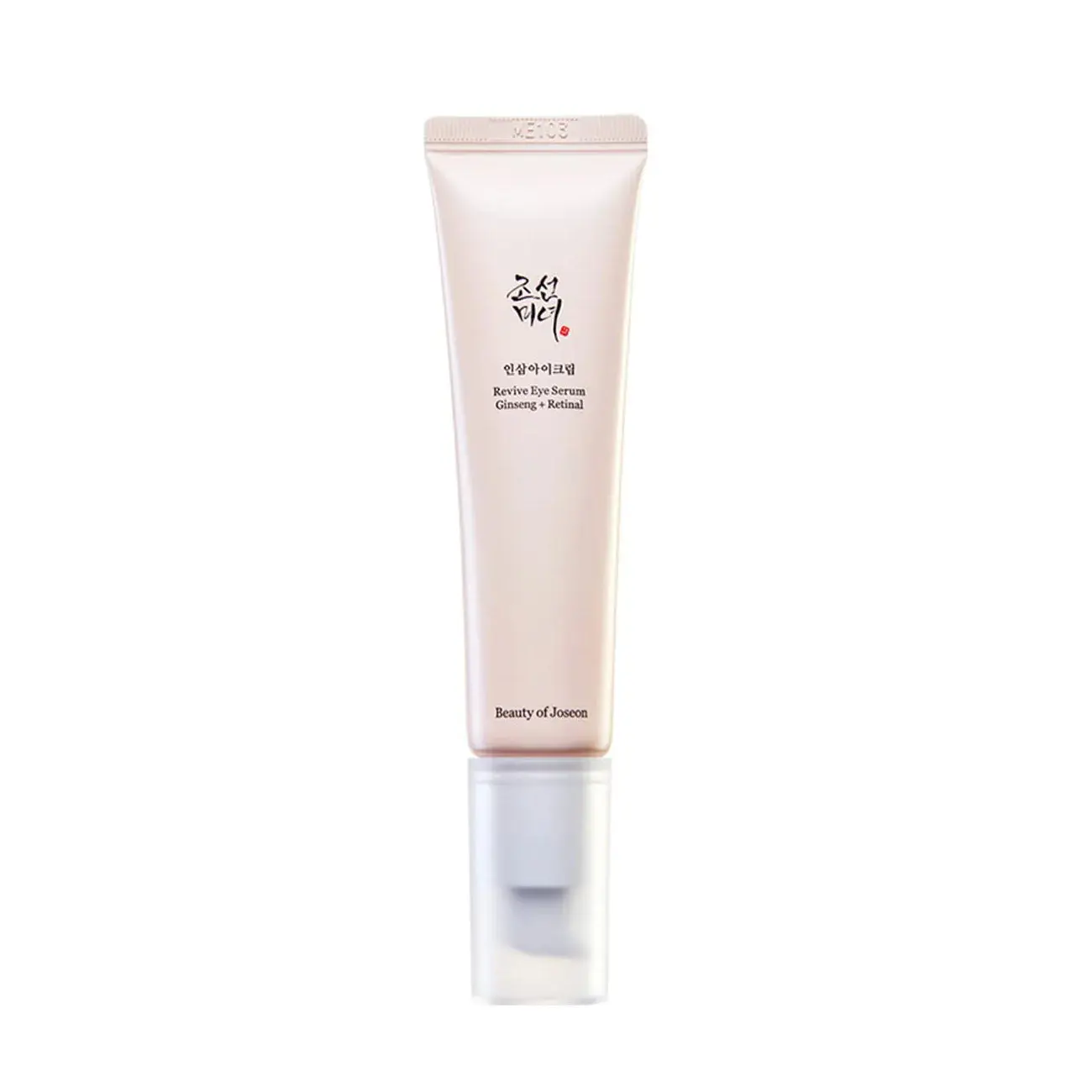
Most milia sit exactly where you have been told not to put actives. A gentler vitamin A derivative formulated for the eye area solves that. Beauty of Joseon Revive Eye Serum: Ginseng + Retinal (30ml, Rs 2,999) pairs retinal with ginseng and is patted around the eyes after cleansing. The brand says it is gentle enough for the eye area and safe to use across the whole face. Build up slowly, a few nights a week at first. If dark circles are your main concern and the bumps are secondary, our eye cream guide weighs the options.
4. Daily sunscreen
Every active in this list raises your sun sensitivity. The Ordinary says so plainly about retinol, and Pixi advises SPF whenever Glow Tonic is used in the daytime. Sunscreen is what keeps the exfoliation you are doing at night from costing you in pigmentation by day. Our sunscreen guide has picks across price points, and the cleansers and treatments shelf has the rest of the routine.
When to see a dermatologist
Go if the bumps have not shifted after three or four months of consistent use, if you want them gone before an event and cannot wait, if they are spreading in a red patch rather than sitting as separate dots, or if you are unsure they are milia at all. In clinic options include extraction through a tiny incision, prescription strength retinoids and electrodesiccation, and a single extraction appointment can clear a cluster in minutes.
Bring the products you have been using, including any cream you bought without a prescription. That tube is often the most useful piece of information in the room.
The short version
- Hard, pearly, no opening, unchanged for weeks: think milia, not acne.
- Stop squeezing. Trauma is one of the documented causes, so picking can make more of them.
- On a newborn, do nothing. They clear on their own within weeks.
- For adults, use a glycolic exfoliant on the cheeks and a low strength retinoid at night, with sunscreen every morning.
- Give it three months, then see a dermatologist for extraction if they are still there.
The thing nobody says about milia is that they are harmless. They carry no health risk at all, and left alone they will not scar. The only real damage they cause is the damage you do trying to remove them yourself. Treat them slowly or get them taken out properly, and leave the safety pin in the drawer.
This article is general information and not a substitute for seeing a doctor. If a bump on your face is growing, bleeding, changing colour or not healing, have it looked at in person.
Liked this one? Get the next in your inbox.
One fortnightly note from the editors, new pieces, restocks, and the routines we're actually using. Unsubscribe any time.