How to Use a Sheet Mask: The Complete Guide for Pakistani Skin (2026)
Learn how to use a sheet mask correctly, how long to leave it on, and how often to mask each week, plus why letting it dry out reverses the benefit entirely.
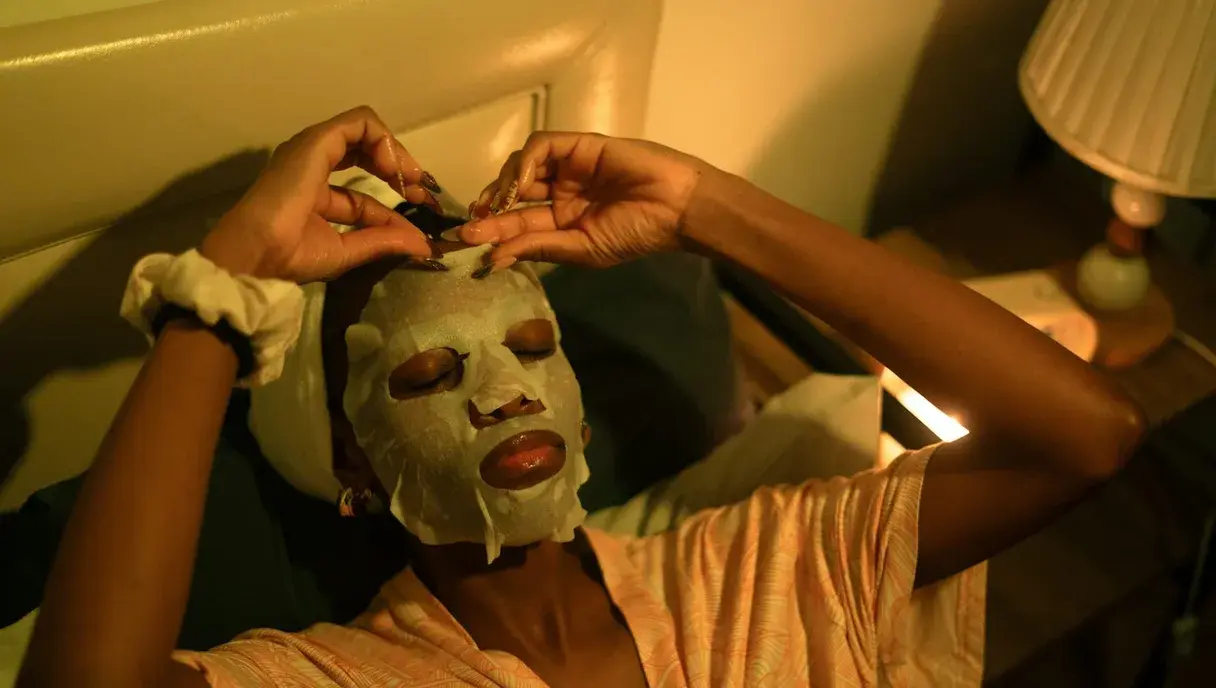
According to Google search data, Pakistani shoppers search for "sheet mask" hundreds of times a month, and the number keeps climbing. If you have ever unwrapped a soggy sheet of essence, pressed it onto your face, and wondered what it is actually doing, this guide is for you. Used correctly, a sheet mask is one of the easiest ways to give tired, sun stressed, or air conditioned skin a fast hydration boost. Used incorrectly, it can do very little, or even leave your skin drier than before.
What a sheet mask actually does
A sheet mask is a thin sheet, usually cotton, cellulose, or a hydrogel, soaked in a concentrated serum. When you place it on clean skin, it works like an occlusive layer.
That occlusive layer traps the serum against your skin and stops it evaporating. This raises local humidity on the skin's surface, which helps active ingredients like hyaluronic acid, glycerin, and plant extracts absorb more effectively than if you simply patted the same serum on with your hands.
It is a short, intense burst of hydration, not a treatment that keeps working after you take it off. Think of it as a top up, not a foundation. A sheet mask is not a substitute for a daily moisturiser or a full skincare routine order. It supplements that routine, for an occasional boost rather than a replacement for your everyday steps.
How to use a sheet mask the right way
The steps are simple, but small mistakes are common. Here is the correct order.
- Cleanse your face first. Masking over make up, sunscreen, or dirt blocks the serum from reaching your skin.
- Pat your skin mostly dry, then unfold the sheet mask and smooth it over your face, starting from the centre and pressing out towards the edges.
- Adjust the eye, nose, and mouth openings so the mask sits flat, without air bubbles trapping serum away from the skin.
- Leave it on for 15 to 20 minutes. Set a timer if you tend to lose track of time.
- Remove the sheet and pat the remaining essence into your skin with clean hands. Do not rinse it off.
- Follow immediately with your regular moisturiser to seal the hydration in.
The one rule that matters most is the timing. Do not leave a sheet mask on for longer than 20 minutes, and never let it dry out on your face. Once a sheet mask starts to dry, it stops being occlusive and starts doing the opposite of what you want. A drying sheet actively pulls moisture out of your skin instead of holding it in, leaving your face tighter and drier than before you started. If you get distracted and forget about it, take it off as soon as you remember, even if it has only been ten minutes.
Pat the leftover essence in gently with your fingertips rather than washing it away. That leftover serum is the most concentrated part of the product, designed to be absorbed, not rinsed down the drain. Sealing with a moisturiser afterwards matters just as much. Without one on top to lock the hydration in, much of it evaporates within the hour, especially in a hot, dry, or air conditioned Pakistani climate.
How often should you use a sheet mask
Two to three times a week is plenty for most skin types. This is a treat, not a daily habit. Using one every single day will not speed up results and can occasionally irritate sensitive skin, particularly if the formula contains fragrance or acids. It is also not a substitute for a proper moisturiser, which your skin needs every morning and night regardless of how often you mask.
If your skin is very dry, air conditioned offices and long hours in the heat outside can justify masking a little more often. If your skin is oily or acne prone, stick closer to once or twice a week and choose a lightweight, non comedogenic formula so pores do not feel clogged afterwards. Pair it with a suitable daily moisturiser, such as one from our guide to the best moisturiser for oily skin in Pakistan.
The Garnier Hydra Bomb Tissue Mask
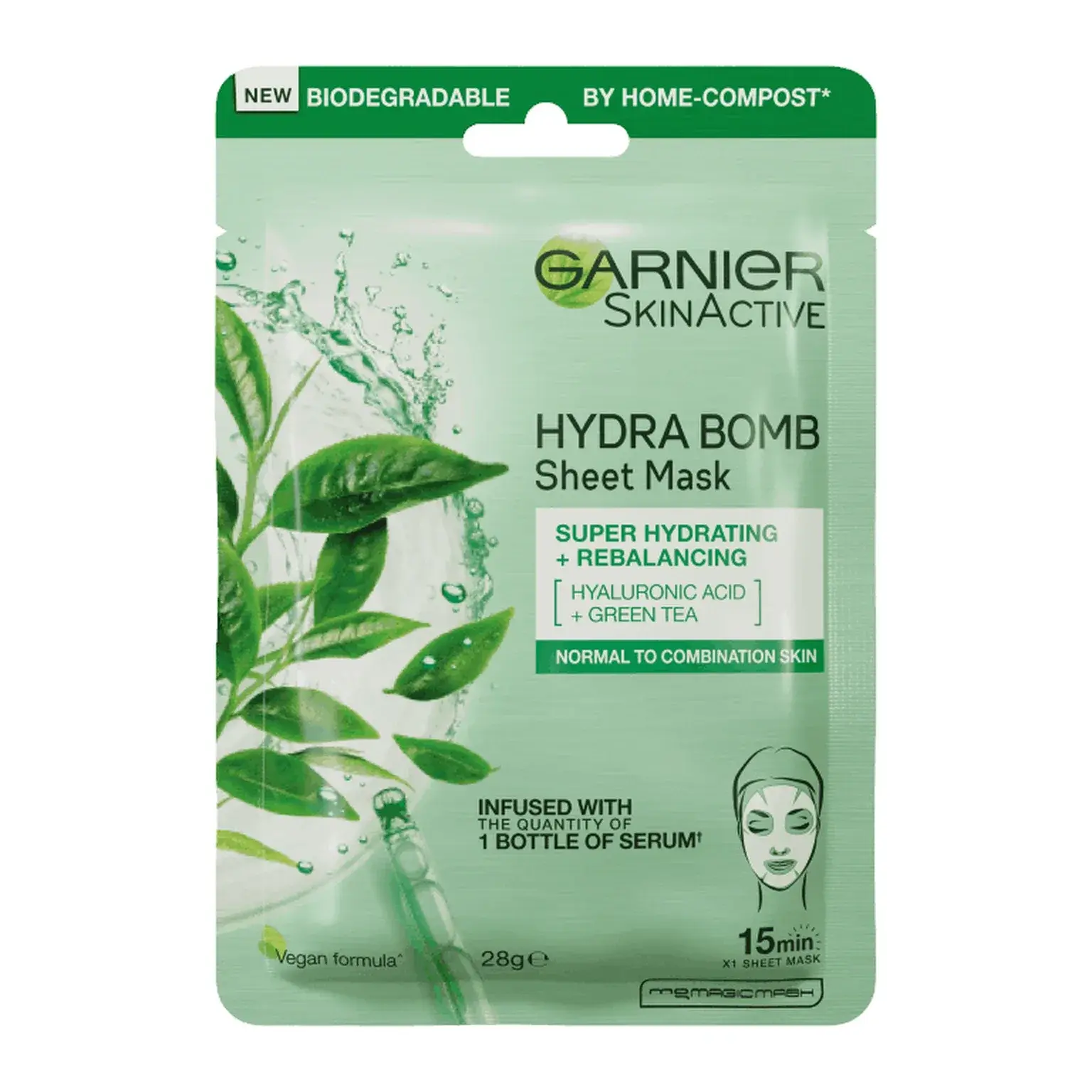
If you are looking for a reliable, affordable option to start with, the Garnier Hydra Bomb Tissue Mask is a good entry point into sheet masking. It is priced at PKR 699, which makes it easy to try without committing to an expensive imported range.
The tissue base is soaked in a hydrating serum designed to plump and refresh skin that feels tight, dull, or dehydrated. It works well as an occasional weekday reset, before an event, or after a long day out in Karachi's heat or Islamabad's dry winter air. Keep one or two in the fridge if you like a cooling effect, and follow the same rules above: cleanse first, 15 to 20 minutes, pat in the essence, then moisturise.
Why sheet masks are so popular in Pakistan right now
Sheet masks rode into local popularity on the back of Pakistan's growing interest in Korean skincare. Multi step Korean routines, often called the ten step routine, have made hydration and layering serums a mainstream idea rather than a niche one.
Sheet masks fit naturally into that culture because they are simple, visual, and satisfying to use, while still delivering a real hydration benefit. If you want the fuller picture of how this trend works and where sheet masks sit within it, our guide to the Korean skincare routine and glass skin in Pakistan breaks down the whole approach.
Local demand has also been helped by price. Many sheet masks are inexpensive per use compared to serums sold in full bottles, which makes them an accessible way to sample new ingredients before committing to a bigger purchase, such as a hyaluronic acid serum.
Good occasions to reach for a sheet mask
Sheet masks are best treated as situational tools rather than a daily default. A few occasions stand out.
- Before an event, wedding, or photos, when you want a temporary plump, dewy look.
- After sun exposure, when skin feels warm, tight, or slightly dehydrated from a day outdoors.
- During Pakistan's hot summer months or after long hours in air conditioning, both of which pull moisture from the skin's surface.
- When travelling, especially on a flight, since cabin air is notoriously drying.
- Any time your skin simply feels tired, dull, or tight.
None of these occasions call for daily use. Save sheet masks for the moments when your skin genuinely needs the extra help.
Common sheet mask mistakes to avoid
A few habits quietly undo the benefits of an otherwise good sheet mask.
- Applying the mask over make up, sunscreen, or unwashed skin.
- Leaving it on far longer than 20 minutes, or letting it dry out on the face.
- Rinsing off the leftover essence instead of patting it in, then skipping moisturiser afterwards.
- Using a sheet mask daily and expecting it to replace a proper moisturiser.
- Sharing a used or reused mask, which is unhygienic and increases the risk of irritation.
Who should be cautious with sheet masks
Sheet masks are generally gentle, but they are not entirely risk free. If you have very sensitive or reactive skin, patch test a new mask on your inner arm first, since fragranced formulas and certain plant extracts can trigger redness or a stinging sensation.
People with active eczema, broken skin, an active breakout with open lesions, or a known allergy to a specific ingredient in the mask should avoid using it until the skin has settled. If you notice persistent redness, burning, swelling, or itching after using a sheet mask, stop using that product and speak to a doctor or dermatologist, especially if symptoms do not settle within a day or two.
The NHS guidance on contact dermatitis recommends checking ingredient lists carefully if you have a known allergy. Patch testing a new product on a small patch of skin first is a sensible precaution for anyone with a history of skin reactions.
Ingredients worth knowing
| Ingredient | What it does | Best for |
|---|---|---|
| Hyaluronic acid | Draws and holds water in the skin's surface | Dehydrated, tight feeling skin |
| Glycerin | Humectant that supports the skin barrier | Most skin types, including sensitive skin |
| Niacinamide | Supports an even tone and smoother texture | Dull or uneven toned skin |
| Centella asiatica | Soothing extract used for calming redness | Sensitive or post sun exposed skin |
| Aloe vera | Lightweight, cooling, hydrating extract | Oily or combination skin |
Building sheet masks into your wider routine
A sheet mask works best as one step within a sensible, consistent routine, not as a stand alone fix. Cleanser, treatment serums, moisturiser, and daily sunscreen still form the backbone of healthy skin.
Use your sheet mask on top of that foundation. On the nights you mask, cleanse as usual, apply the mask, pat in the essence, then moisturise exactly as you would on any other night. If you are unsure where masking fits among your other products, our guide to skincare routine order in Pakistan lays out the correct sequence.
The World Health Organization's guidance on UV exposure is a useful reminder that daily sunscreen matters more for long term skin health than any single mask.
This article was written and medically reviewed to our medical review board standards and is for general guidance, not personal medical advice. Always speak to a doctor or pharmacist about your own situation.
Shop Garnier Hydra Bomb Tissue Mask →Frequently asked questions
Can I leave a sheet mask on overnight?
No. Beyond 15 to 20 minutes the sheet dries out, and a dry sheet mask pulls moisture out of your skin instead of adding it. Set a timer and remove it on schedule.
Do I need to wash my face after a sheet mask?
No, rinsing removes the concentrated essence left on your skin. Pat it in with clean hands instead, then apply moisturiser to seal it.
Can I use a sheet mask every day?
You can, but it offers little extra benefit over two to three times a week, and it is not a substitute for a proper daily moisturiser.
Are sheet masks suitable for oily or acne prone skin?
Yes, if you choose a lightweight, non comedogenic formula and use it once or twice a week rather than daily.
Is the Garnier Hydra Bomb Tissue Mask good for beginners?
Yes, at PKR 699 it is an accessible way to try sheet masking, and the hydrating formula suits most skin types as an occasional treatment.
Why do Korean sheet masks feel different from other masks?
Korean sheet masks popularised the format through highly saturated sheets and a strong focus on hydration and layering, part of the wider Korean skincare culture now popular in Pakistan.
Can pregnant or breastfeeding women use sheet masks?
Most basic hydrating sheet masks are considered low risk, but check the full ingredients list for actives like retinoids or strong acids, and ask a doctor or pharmacist if unsure.
Liked this one? Get the next in your inbox.
One fortnightly note from the editors, new pieces, restocks, and the routines we're actually using. Unsubscribe any time.