Aptamil Price in Pakistan vs NAN, Similac, Enfamil, Kendamil
Aptamil price in Pakistan compared with NAN, Similac, Enfamil and Kendamil by stage, plus NHS advice on which stage your baby actually needs.
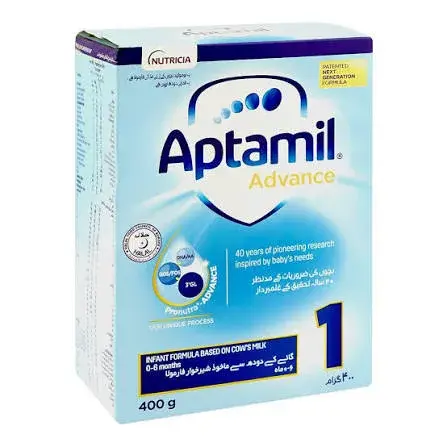
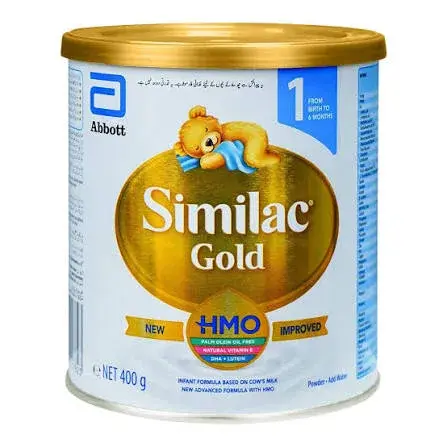
If you are standing in a pharmacy aisle comparing tins, here is the short answer. A 400 g tin of Aptamil Advance 1 Infant Formula (Rs 4,200) costs a little more than Nestle NAN Supremepro 1 Optipro (Rs 3,500) and Similac Gold 1 (Rs 3,799). All three are imported first infant milks suitable from birth, sold in sealed tins with the expiry date intact.
Before the price tables, one honest line that belongs at the top of any formula guide: breast milk is the best food for a baby. The WHO and UNICEF recommend exclusive breastfeeding for the first six months. Plenty of families still need formula, for medical reasons, work, adoption or a supply that did not respond to help, and this guide is for them. If you are not sure yet, read our guide to increasing breast milk supply first.
Aptamil, NAN, Similac, Enfamil and Kendamil prices by stage
Every brand below sells three stages. Stage 1 is first infant milk from birth, stage 2 is follow-on formula for 6 to 12 months, and stage 3 is growing-up milk from 1 year. Prices are live from our shelves, so they update when the tin price changes.
| Brand | Tin size | Stage 1 (from birth) | Stage 2 (6 to 12 months) | Stage 3 (from 1 year) |
|---|---|---|---|---|
| Aptamil Advance | 400 g | Rs 4,200 | Rs 3,999 | Rs 3,999 |
| Nestle NAN Supremepro | 400 g | Rs 3,500 | Rs 3,500 | Rs 3,500 |
| Similac Gold | 400 g | Rs 3,799 | Rs 3,799 | Rs 3,799 |
| Enfamil A+ | 380 g | Rs 4,285 | Rs 4,285 | Rs 4,500 |
| Kendamil Classic | 800 g | Rs 11,000 | Rs 13,999 | Rs 13,999 |
Two things the table hides. Enfamil tins hold 380 g, not 400 g, so you get slightly less powder per tin. Kendamil comes only in an 800 g tin, double the others, so compare one Kendamil tin with two tins of any other brand before deciding it is the expensive one.
What actually differs between the brands
Less than the packaging suggests. The NHS says most formula is made from cows' milk treated to suit babies, and that there is no evidence switching to a different formula does any good or harm. So the differences below are mostly about added extras, tin size and price, and the best brand is often the one your baby takes well and you can find every month.
Aptamil Advance
Made by Nutricia. Our listing describes the Advance range as formula with prebiotics and iron. It is the most searched of these five brands in Pakistan, going by Semrush search data, and the stage number sits large on the front of the box, which helps when someone else is doing the shopping.
Nestle NAN Supremepro
Nestle's OPTIPRO protein formulation, with iron and vitamins, according to our listing. At the time of writing it is the lowest priced of the 400 g tins we stock, and all three stages are priced the same right now, so moving up a stage does not change your monthly bill.
Similac Gold
A milk-based formula from Abbott, fortified with iron and vitamins. The stage 2 tin is labelled HMO on our listing. All three stages are priced the same right now.
Enfamil A+
Fortified with DHA, iron and vitamins, per our listing. Remember the smaller 380 g tin when you compare the price on the shelf.
Kendamil Classic
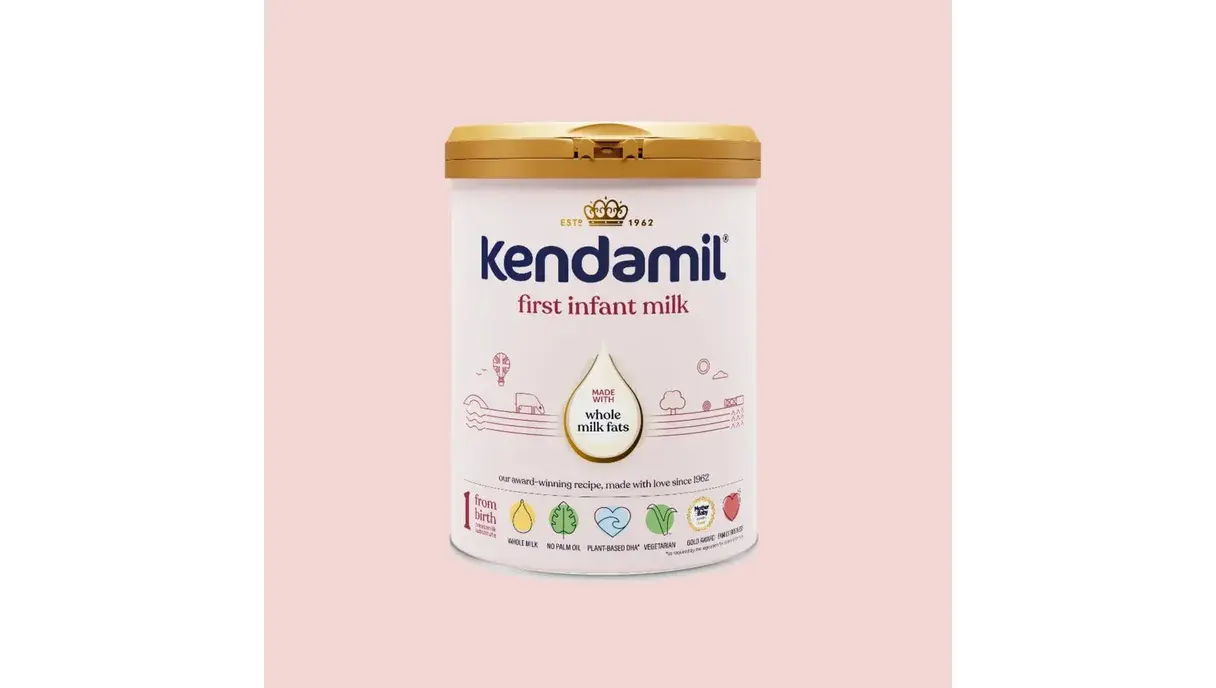
A British family brand. Kendamil says its formula is made with whole milk and is always free from palm oil and fish oil, with plant-based DHA. Some parents choose it for the whole milk recipe. The bigger tin also means fewer reorders.
Do you need stage 2 and stage 3 at all?
This is where many families can save money. According to the NHS guide to types of formula, first infant formula is the only formula a baby needs unless a midwife, health visitor or doctor suggests otherwise. Your baby can stay on it after starting solids at around 6 months and drink it through the first year.
The same page says research shows switching to follow-on formula at 6 months has no benefits for your baby, and that follow-on formula should never be given to a baby under 6 months. Stage 2 is not harmful after 6 months, it simply is not necessary. If your stage 1 tin is easier to find or cheaper per scoop, staying on it is a sound choice.
For stage 3, the NHS is blunt: children aged 1 to 5 do not need formula milks, including growing-up or toddler milks. From age 1, pasteurised whole cows' milk can be the main drink. Growing-up milk is a convenience some families like, not a requirement, so ask your child's doctor before paying for it month after month.
How to tell you are buying a good tin
Price matters, but with formula the condition of the tin matters more. A few checks take ten seconds at the counter or when the parcel arrives:
- Stage number matches your baby's age. The NHS warns that follow-on labels can look very similar to first infant formula, so read the age range, not just the colour.
- Seal unbroken. The foil or inner seal should be intact and the tin free of dents along the rim.
- Expiry date printed and readable. Every tin we sell is imported in its original sealed packaging with the expiry date intact.
- Scoop inside. Use only the scoop that comes with that formula, because scoop sizes differ between brands.
If a deal is far below every established pharmacy for the same tin size, ask why. Old stock, damaged tins and stage mix-ups are the usual reasons.
Making up a feed safely
The NHS step-by-step guide is worth printing and sticking near the kettle. The points that matter most in a Pakistani kitchen:
- Wash and sterilise bottles and teats before each feed. If you are choosing bottles, our feeder bottle guide compares the ones we stock.
- Boil fresh water and let it cool for no more than 30 minutes, so it stays at 70C or above. Water that hot kills bacteria that can be present even in a sealed tin of powder.
- Pour the water in first, then add level scoops exactly as the tin says. Extra powder can make a baby constipated or dehydrated, and too little may not give enough nourishment.
- Cool the bottle under running water and test a few drops on the inside of your wrist. It should feel warm, not hot.
- Make each feed fresh and throw away anything left in the bottle afterwards.
Never warm formula in a microwave, as it heats unevenly and can burn a baby's mouth. Do not add sugar or cereal to the bottle. Our older formula milk guide covers feeding amounts and routines in more detail.
Is your baby getting enough?
The NHS formula questions page says weight gain and nappies tell you more than the amount left in the bottle. From a few days after birth, expect around six wet nappies a day with clear or pale yellow urine. Feed when your baby shows hunger signs, such as rooting or sucking on a fist, rather than waiting for crying, which is a late sign.
When to talk to a doctor before choosing a tin
Some situations need a doctor's advice rather than a brand switch:
- You think a particular formula disagrees with your baby. The NHS suggests talking to a midwife, health visitor or doctor before trying a different type.
- You suspect a cows' milk allergy. The NHS says comfort and goats' milk formulas are not suitable for this, and a doctor will prescribe an appropriate hypoallergenic formula.
- Your baby brings up a lot of milk. Anti-reflux formulas are meant to be used only on the advice of a health professional.
- You are worried about weight gain or your baby has fewer wet nappies than usual.
The practical choice
If your doctor has no preference, pick a stage 1 tin your nearest pharmacy and our store both carry reliably, so you are never stuck switching brands mid-month.
On a tight budget, NAN Supremepro 1 is the lowest priced 400 g tin we stock at the time of writing. If whole milk and no palm oil matter to you, Kendamil's 800 g tin is the one to compare. Whichever you choose, staying on stage 1 until your baby's first birthday is backed by the NHS and saves you the step up.
You can see every tin, with live prices and stock, in our baby formula section, or browse the whole baby department for bottles, sippy cups and care.
Sources
An article can only be general. Talk to one of our registered doctors on WhatsApp about what applies to you; they reply within a day.
Ask a doctorLiked this one? Get the next in your inbox.
One fortnightly note from the editors, new pieces, restocks, and the routines we're actually using. Unsubscribe any time.