Piles & Khooni Bawaseer: Causes, Symptoms & Natural Relief (Pakistan)
Piles (bawaseer), including khooni bawaseer, are common in Pakistan. The causes, internal vs external symptoms, fibre fixes that work, and red flags.
Did you know piles are one of the most common reasons Pakistanis quietly suffer in silence? Piles, known locally as bawaseer, affect huge numbers of adults. Many feel too shy to talk about them. Yet good piles treatment is simple for most people. This guide explains bawaseer ka ilaj in plain words. We cover the causes, the symptoms, and the daily habits that bring real relief.
Bawaseer meaning in English
Bawaseer in English is called piles, and the medical term is haemorrhoids (spelled hemorrhoids in American English). Khooni bawaseer means bleeding piles, where you notice bright red blood after a bowel movement. So when a doctor, a lab report, or a medicine leaflet says haemorrhoids, it is the same condition you know as bawaseer.
Knowing the English name helps you read prescriptions, search trusted medical sites, and speak to a doctor with confidence. The rest of this guide explains what piles are, why they are so common in Pakistan, and the simple steps that bring relief for most people.
What are piles (bawaseer)?
Piles are swollen blood vessels inside or around the back passage. The medical name is haemorrhoids. We all have these cushions of tissue. They help control bowel movements. Problems start when they swell and bulge.
Swollen piles can itch, bleed, or hurt. They may feel like a small lump. Most cases are mild. Most settle with the right habits at home. You are not alone, and this is very treatable.
Why piles are so common in Pakistan
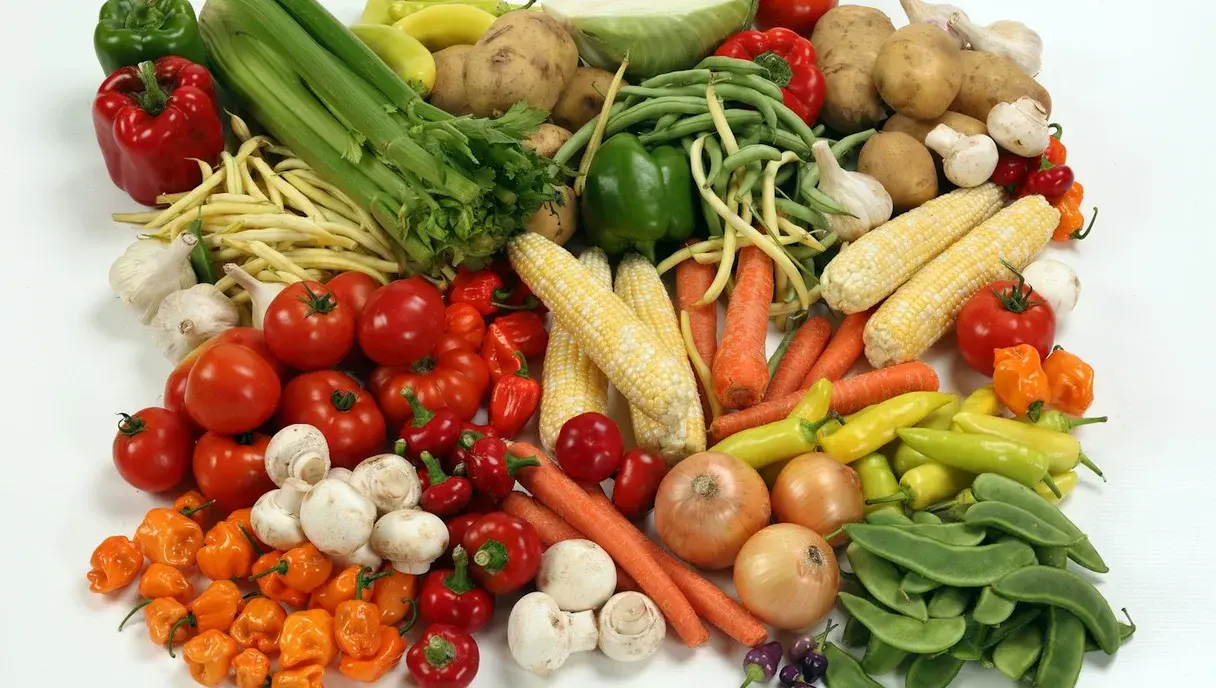
Diet is the biggest reason. Many of us eat refined, low-fibre food. White flour roti, white rice, and fried snacks fill the plate. Fresh vegetables, fruit, and whole grains often fall short.
Low fibre leads to hard stools. Hard stools mean straining on the toilet. Straining puts pressure on those blood vessels. Over time they swell into piles.
Other common triggers in Pakistan include:
- Drinking too little water, made worse by our hot climate and heavy sweating.
- Long-standing constipation, a frequent complaint in local clinics.
- Sitting for long hours, at a desk or while driving.
- Pregnancy, which adds pressure on the lower body.
- Being overweight, which raises pressure in the abdomen.
- Ageing, since the supporting tissue weakens over time.
For more on the root cause, read our guide on constipation relief home remedies in Pakistan.
Internal vs external piles
Piles come in two main types. Knowing which you have helps you understand your symptoms.
| Type | Where | What you notice |
|---|---|---|
| Internal piles | Inside the back passage | Usually painless. Often bright red bleeding on tissue or in the toilet. May bulge out when straining. |
| External piles | Under the skin around the opening | Can be felt as a lump. May itch or hurt, especially if a clot forms. |
Some people have both at once. Internal piles are graded one to four by how much they bulge. Higher grades may need a doctor.
Common piles symptoms
Symptoms depend on the type and size. Watch for these signs:
- Bright red blood after a bowel movement (khooni bawaseer).
- Itching or irritation around the back passage.
- A soft lump near the opening.
- A feeling that the bowel is not fully empty.
- Mucus discharge or soreness.
Mild bleeding is common with piles. Even so, never assume. Bleeding always deserves a proper check, which we explain below.
Fibre: the single most important fix
Fibre is the heart of bawaseer ka ilaj. It softens stools and adds bulk. Soft stools pass easily. That means less straining and less pressure.
Aim to build fibre slowly. Add it over one to two weeks. A sudden jump can cause gas and bloating. Good local sources include oats, beans, lentils (daal), whole wheat atta, papaya, guava, apples with skin, and leafy greens.
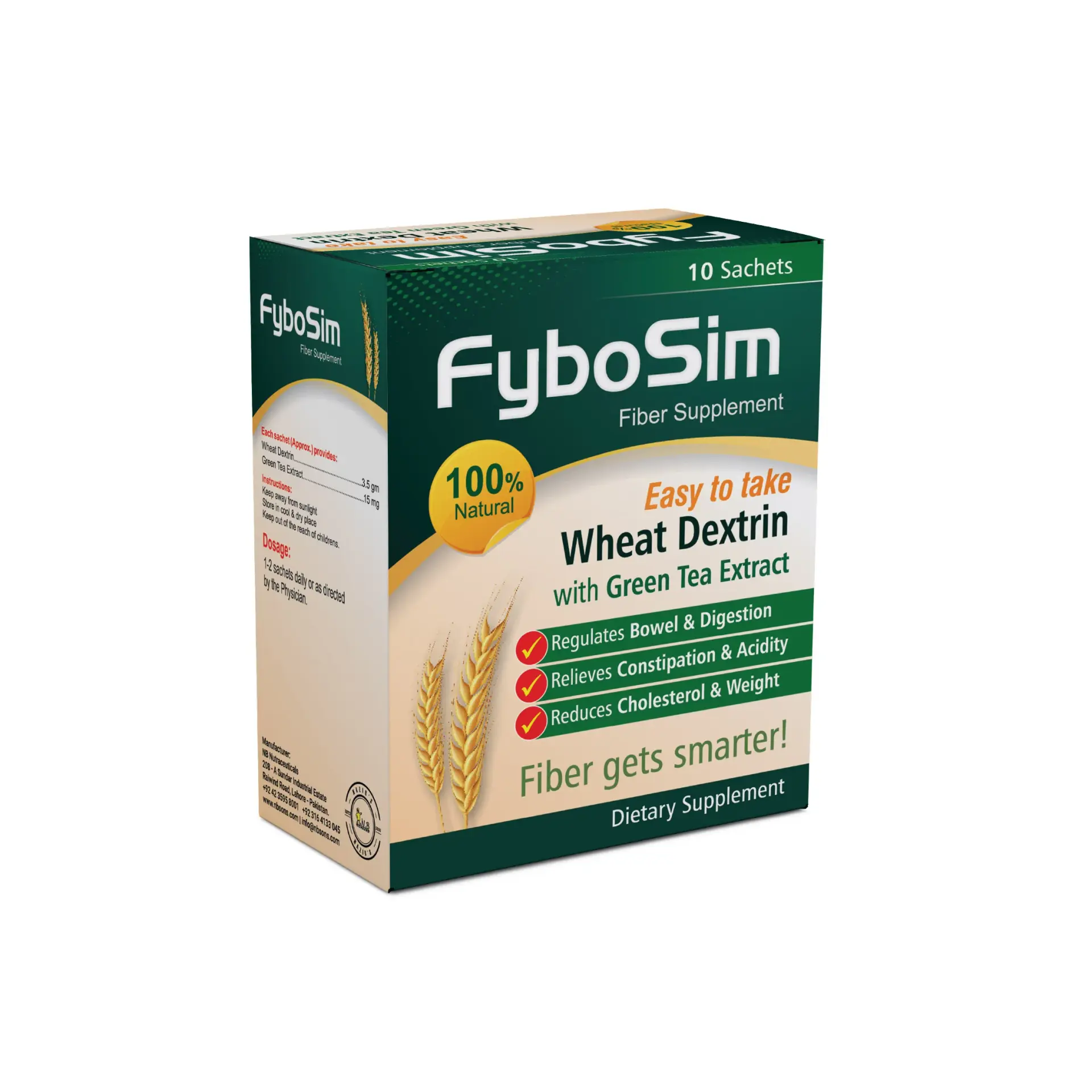
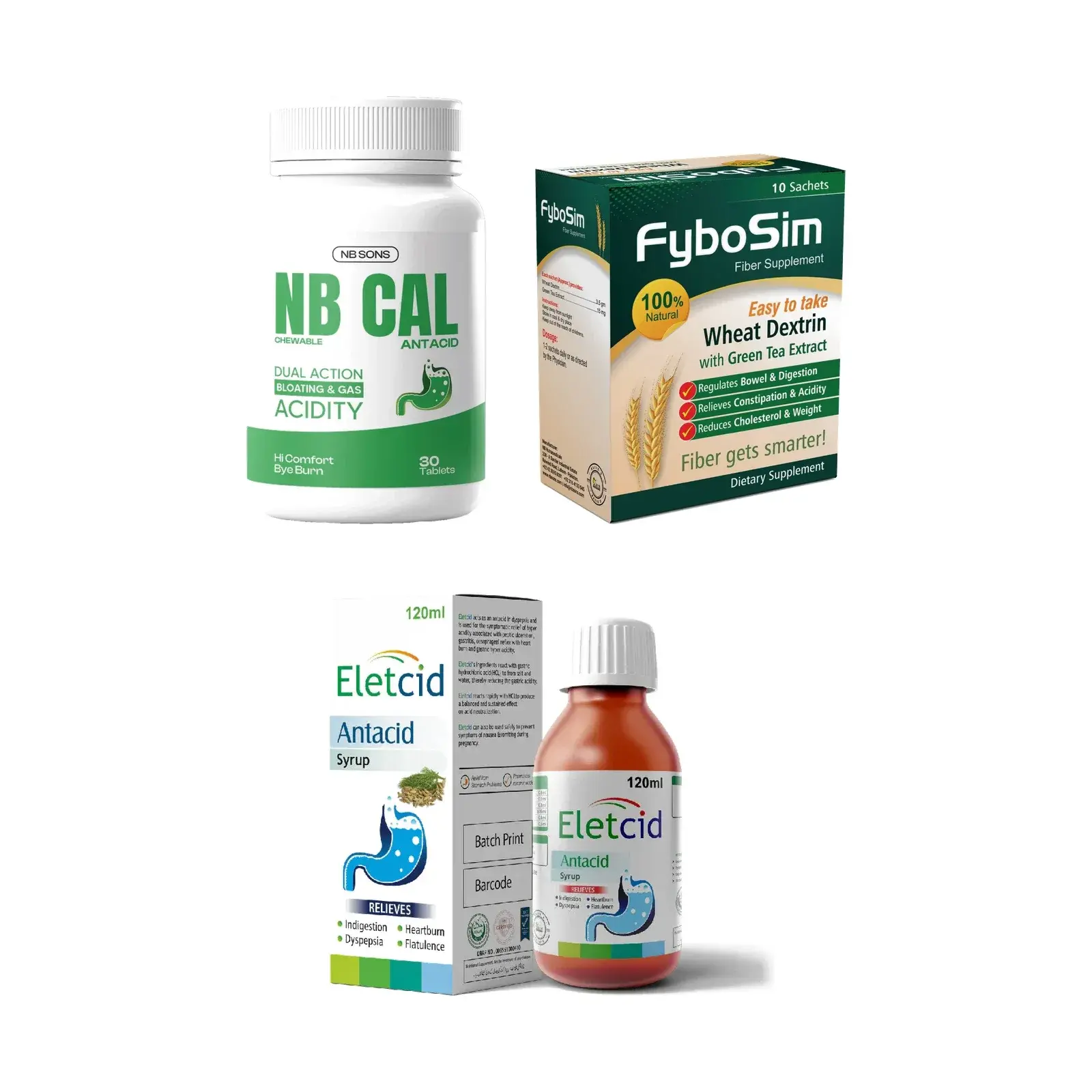
Many people still fall short, even when trying hard. A simple fibre supplement can close the gap. Fybosim is an easy daily fibre at Rs 390. Mix it in water and drink it down. It helps form soft, regular stools without harsh laxatives.
For broader gut support, the Digestive Comfort Trio (Rs 820) bundles helpful basics for everyday digestion.
Hydration and the heat factor
Fibre only works with enough water. Without it, fibre can make stools harder. In Pakistan's heat, we lose a lot of fluid through sweat.
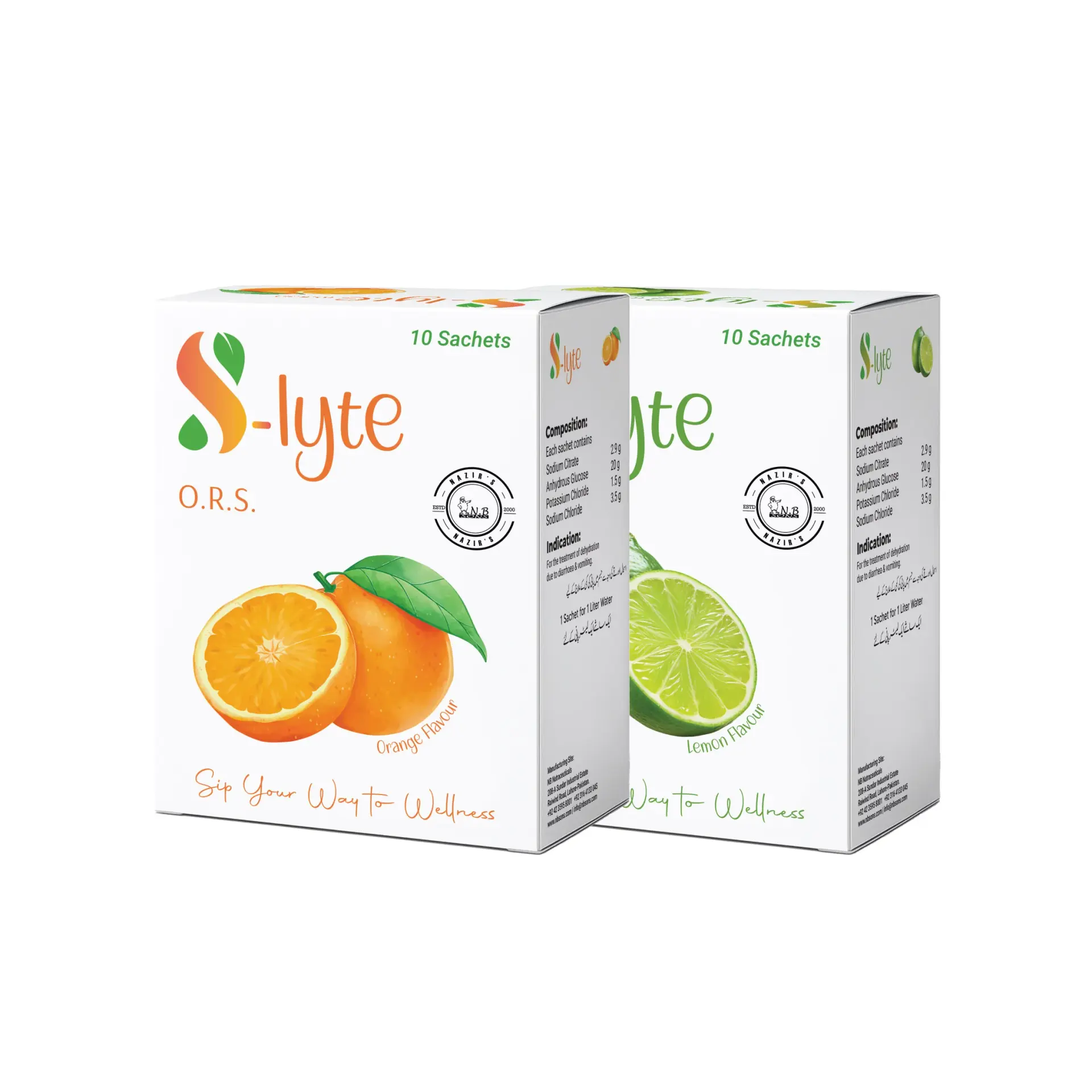
Drink water steadily through the day. Aim for pale yellow urine as a simple guide. On very hot days, or after heavy sweating, an oral rehydration drink helps. S-Lyte (Rs 299) replaces lost salts and supports hydration.
Daily habits that ease piles
Small changes add up fast. Try these proven habits:
- Do not delay when you feel the urge. Waiting hardens the stool.
- Do not strain or push hard. Let things happen naturally.
- Do not sit on the toilet for long. Avoid reading on your phone there.
- Stand up and walk every hour if you sit for work or driving.
- Stay active. A daily walk keeps the bowels moving.
- Keep the area clean and dry to reduce itching.
Sitz baths and simple relief
A sitz bath is one of the oldest and best home remedies. Sit in a few inches of warm water for about ten to fifteen minutes. Do this two to three times a day, and after a bowel movement.
Warm water eases pain and itching. It also relaxes the muscles around the area. Gently pat dry afterwards. Do not rub with rough tissue.
Pharmacy creams and suppositories can soothe symptoms for a short time. Ask your pharmacist for advice. Use them only as directed.
What to avoid with piles
Some habits make bawaseer worse. Try to cut back on these:
- Straining on the toilet, the number one trigger.
- Too much very spicy or oily food, which can irritate.
- Low water intake during hot weather.
- Long periods of sitting without breaks.
- Overusing strong laxatives, which can upset the bowel.
If acidity or bloating bother you too, see our notes on reducing bloating and gut health and acidity and heartburn treatment in Pakistan.
When it is NOT just piles: red flags
This part matters most. Piles are common, but other conditions can look similar. Some are serious. Never assume bleeding is only piles.
See a doctor promptly if you notice:
- Bleeding that is heavy, dark, or mixed into the stool.
- A new lump that does not go away.
- Unexplained weight loss.
- A lasting change in bowel habit, such as new constipation or loose stools.
- Tiredness that may point to anaemia from blood loss.
- Severe pain, fever, or a hard, very painful lump.
These signs need a face-to-face check. A doctor can rule out other causes. Reputable guidance is available from the NHS on piles (haemorrhoids) and the Mayo Clinic.
When surgery or banding is needed
Most piles never need surgery. Habits and fibre fix the majority. But some cases do need a procedure.
For internal piles, doctors often start with banding. A small band is placed at the base. It cuts off the blood supply, and the pile shrinks. This is quick and usually done in a clinic.
Larger or stubborn piles may need surgery to remove them. Your doctor will guide the choice. The Cleveland Clinic explains these options well. The good news: with early habit changes, most people in Pakistan avoid this route.
This article was written and medically reviewed to our medical review board standards and is for general guidance, not personal medical advice. Always speak to a doctor or pharmacist about your own situation.
Shop Fybosim Fibre →Frequently asked questions
What is bawaseer called in English?
Bawaseer is called piles in English. The medical name is haemorrhoids. Khooni bawaseer means bleeding piles, where bright red blood appears after a bowel movement.
Is khooni bawaseer dangerous?
Bright red bleeding from piles is common and often mild. Still, you should never ignore it. Get any bleeding checked by a doctor to rule out other causes.
How long do piles take to settle?
Mild piles often improve within a week or two with better habits. Bigger ones can take longer. If symptoms last beyond three weeks, see a doctor.
Can fibre supplements cure piles?
Fibre does not cure piles, but it tackles the main cause. Soft stools mean less straining. A supplement like Fybosim helps when diet alone falls short.
Does spicy food cause piles?
Spicy food does not directly cause piles. It can irritate symptoms in some people. The bigger drivers are low fibre, low water, and straining.
Are piles common in pregnancy?
Yes, very. Extra pressure on the lower body raises the risk. Most pregnancy piles ease after birth. Speak to your doctor before using any product.
Should I see a doctor or treat it at home?
Mild, painless piles can be managed at home first. See a doctor if you have red-flag signs, ongoing bleeding, severe pain, or no improvement.
Liked this one? Get the next in your inbox.
One fortnightly note from the editors, new pieces, restocks, and the routines we're actually using. Unsubscribe any time.