How to Contour Your Face: A Simple Step-by-Step Guide (2026)
Where to place contour, how to blend it, and how to choose the right shade for warm Pakistani skin tones, plus the products to do it with.
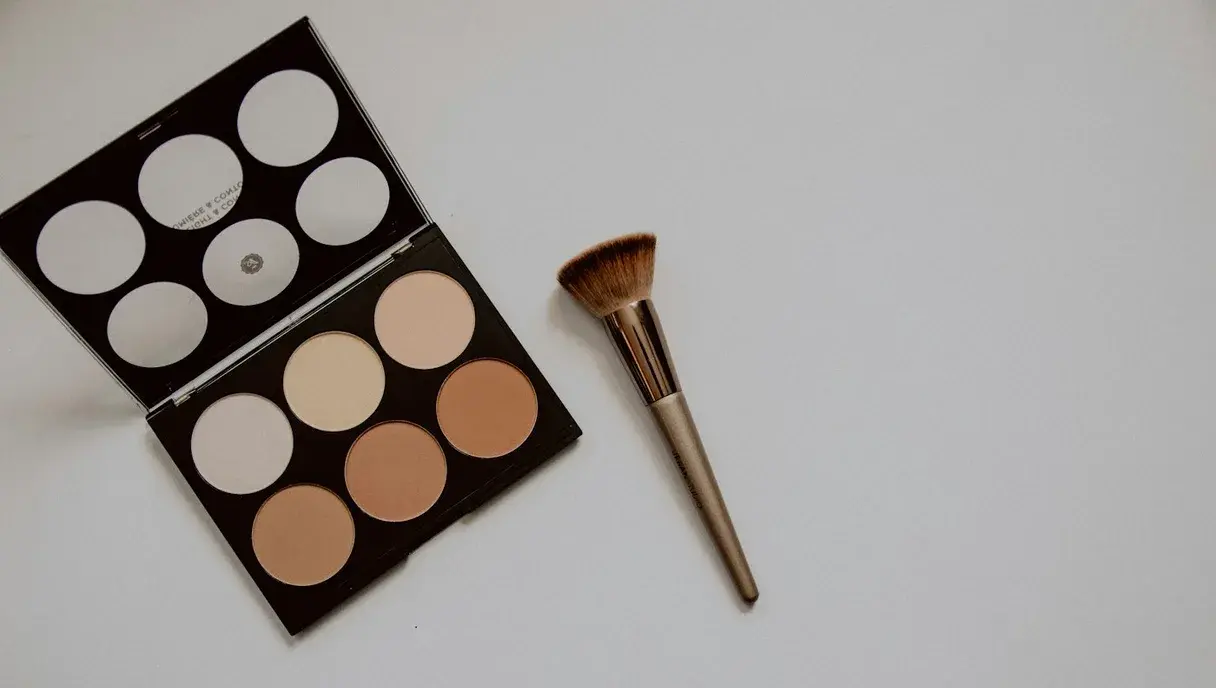
Did you know contouring is really just shadow in disguise? You place a slightly deeper shade where the face naturally recedes, to add definition. Done lightly, it sculpts and slims. Done heavily, it looks muddy. This simple guide shows you exactly where to put contour, how to blend it, which shade suits warm Pakistani skin, and how to keep it from sliding off in the heat.
The golden rule of contouring
Contour goes where you want shadow, to push areas back. Highlight goes where light hits, to bring areas forward. Together they sculpt the face.
There are two non-negotiables. Choose the right shade, and blend until there are no harsh lines. Everything else is detail.
What you need
- A contour product, a cool-toned cream or powder for true contour, or a warm bronzer for an easy everyday version.
- A blending tool, a damp sponge for cream, an angled or tapered brush for powder.
- A light hand. The most important tool of all; you can always add more.
Where to apply contour
- Hollows of the cheeks, suck in your cheeks to find the natural dip; this is the classic sculpting spot.
- Temples and along the hairline, to frame the forehead.
- Along the jawline, to define and slim.
- Sides of the nose, a tiny amount to slim, blended well.
Place colour only where shadow naturally falls, then blend it into nothing. If you can see exactly where the product starts and stops, you have more blending to do.
Contour by face shape
You do not have to follow this rigidly, but a few tweaks flatter each shape:
- Round: focus on the cheek hollows and temples to add length and angles.
- Square: soften the corners of the jaw and forehead so the face looks less boxy.
- Long: contour along the hairline and under the chin to visually shorten the face; skip heavy cheek contour.
- Heart: a little along the forehead sides and a soft touch under the chin balances a wider top.
Cream or powder?
| Type | Best for |
|---|---|
| Cream contour | Dry/normal skin and a natural, skin-like finish; apply before powder |
| Powder / bronzer | Oily skin and easy blending; apply after foundation and powder |
For most people in Pakistan's humidity, a powder bronzer used lightly as contour is the easiest, longest-lasting option.
Got dry skin and want a seamless, skin-like result? Cream contour blended with a damp sponge looks the most natural. Just set it with a little powder so it holds.
Choosing your shade
The most common mistake is a contour that's too grey or too dark. For warm Pakistani skin tones, choose a shade only one to two levels deeper than your skin, with a warm or neutral (not ashy-grey) undertone.
A warm bronze reads as a natural shadow. A cool grey reads as dirt. Build slowly, you can always add more. If you are between two shades, go for the lighter one and layer.
How to contour, step by step
- Start with your base, foundation and concealer first.
- Apply contour to the hollows of the cheeks, temples and jaw using a small amount.
- Blend upward and back with a brush or sponge until there's no visible line, this is 80% of the result.
- Add blush to the apples of the cheeks (see our blush guide).
- Finish with highlighter on the high points (see our highlighter guide) and set with a setting spray.
Keep your contour line angled up toward the top of the ear, not down toward the mouth, which can drag the face down. Blend the upper edge harder than the lower edge so the shadow fades naturally into the cheek.
Common contouring mistakes
- Too dark, too soon: heavy product is almost impossible to blend out. Start sheer.
- Ashy-grey shade: reads as dirt on warm skin. Choose a warm or neutral brown.
- Contour placed too low: below the hollow it shortens and widens the face instead of sculpting it.
- Visible stripes: the fix is always more blending, not more product.
- Skipping highlight: contour alone can look flat; the light on the high points is what creates real dimension.
Making contour last in Pakistan's climate
Sweat and oil break down cheek makeup first. To keep contour crisp through a long, hot day:
- Set cream contour with a translucent or matching powder before moving on.
- On very oily or humid days, choose powder contour over cream entirely.
- Finish the whole face with a setting spray to fuse the layers together.
- Carry a small powder to blot the T-zone rather than re-applying contour, which can look patchy on top of sweat.
Products to contour with in Pakistan
All authentic, imported and available with cash on delivery nationwide:
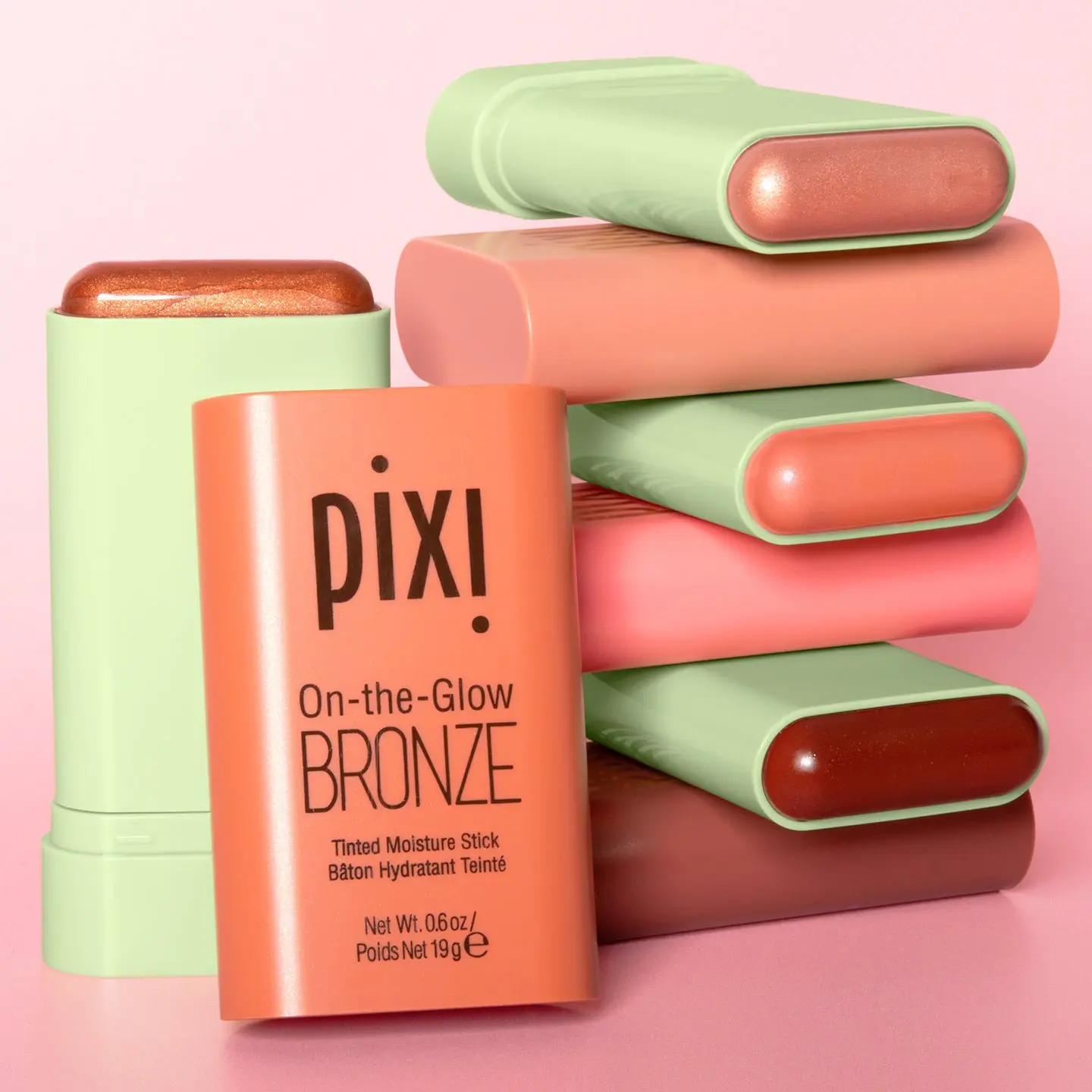
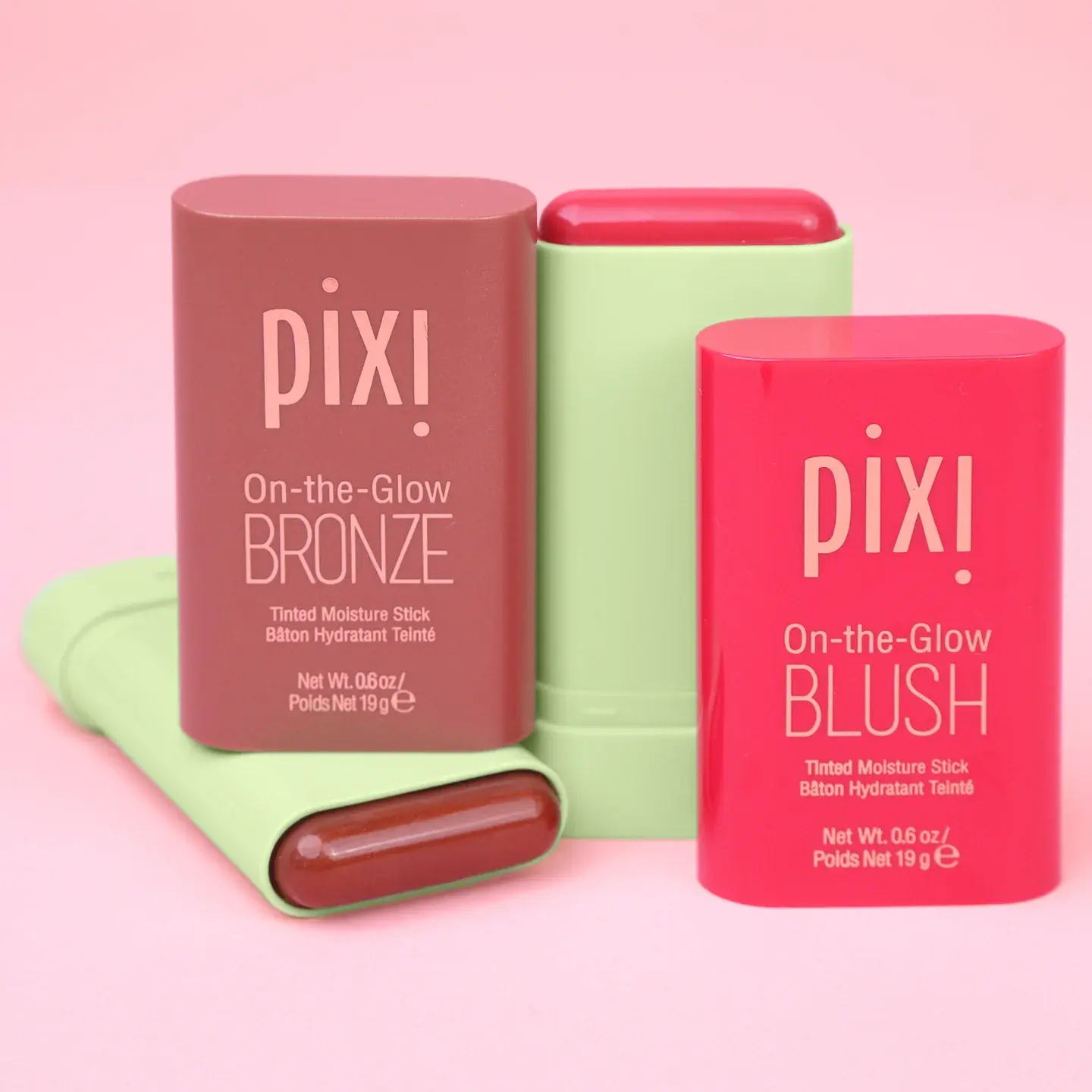
- Easy bronzer-contour: the Pixi On-the-Glow Bronze, or the all-in-one Pixi Blush + Bronzer Duo, which pairs warmth and flush in one compact.
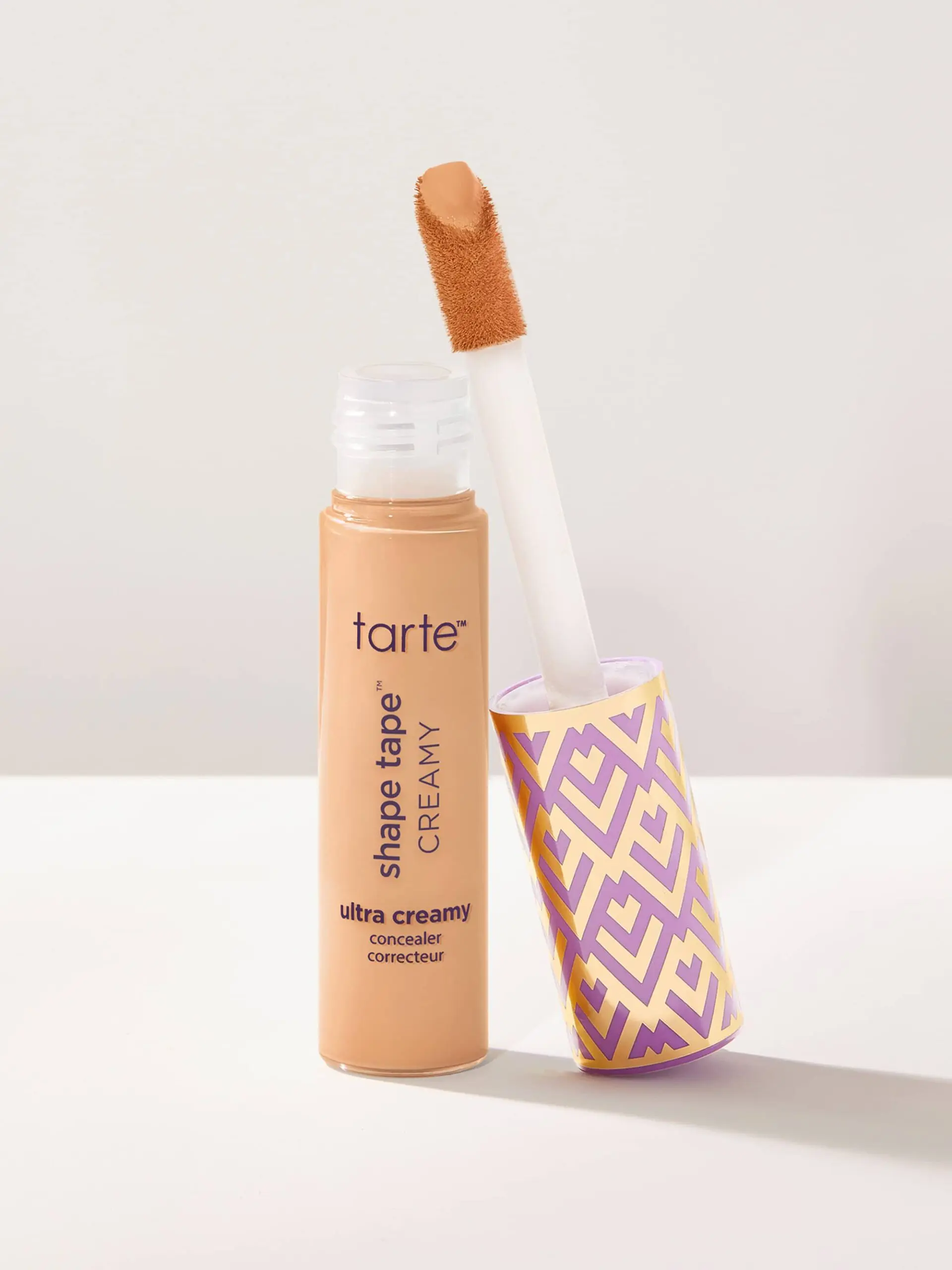
- Brighten the high points: the Tarte Shape Tape Concealer under the eyes and on the centre of the face.
- The right tools: a tapered brush from the Real Techniques Everyday Essentials Set makes blending effortless.
For a foolproof start, the bronzer-and-brush combination gives you a soft everyday contour with the least chance of going too heavy. Browse all face makeup or the full makeup edit.
Shop Face Makeup →The bottom line
Right shade, light hand, endless blending, that's contouring. Start with a warm powder bronzer in the cheek hollows and build slowly, then add highlight to bring the high points forward. Find your tools in our face makeup edit, authentic and with cash on delivery across Pakistan.
Frequently asked questions
Where do you apply contour?
In the hollows of the cheeks, along the temples and hairline, along the jawline, and lightly down the sides of the nose, anywhere you want to create natural shadow.
What shade should I use to contour?
One to two shades deeper than your skin, with a warm or neutral undertone. Avoid ashy-grey shades, which look like dirt on warm Pakistani skin.
Do you contour before or after foundation?
Cream contour goes after foundation but before powder. Powder contour and bronzer go after you've set your base.
Is bronzer the same as contour?
Not quite. Contour adds shadow (cooler or neutral, in the hollows), while bronzer adds warmth (where the sun hits). Many people use a warm bronzer lightly as an easy everyday contour.
How do I contour for my face shape?
Round faces benefit from cheek and temple contour for angles. Long faces benefit from hairline and chin contour to shorten. Square faces benefit from softening the jaw corners. The aim is always to balance, not to fight, your natural shape.
Why does my contour look muddy?
Usually too much product or a shade that is too dark or too grey. Start with a near-empty brush, choose a warm shade close to your skin tone, and blend the edges until they disappear.
How do I keep contour from sliding in the heat?
Set cream contour with powder, prefer powder formulas on oily or humid days, and finish with a setting spray. Blot the T-zone with powder rather than reapplying over sweat.
Do I need to highlight as well as contour?
Highlight makes contour look intentional and dimensional rather than flat. Even a small touch on the cheekbones and centre of the face completes the sculpt.
Liked this one? Get the next in your inbox.
One fortnightly note from the editors, new pieces, restocks, and the routines we're actually using. Unsubscribe any time.