Herbal Tea in Pakistan: Which Caffeine-Free Blend to Buy
Herbal tea in Pakistan: what is inside each imported box, which blend suits evenings, meals or sleep, live prices, and who should be careful.
Plenty of us drink doodh patti from breakfast to after dinner, and the last cup of the day is often the one that keeps us awake. A herbal tea is the easy swap: a hot cup after dinner with no tea leaves, so no caffeine. The question is which box to buy, because the shelf now holds ginger, saunf, mint, lemongrass, haldi and sleep blends that all look alike.
Here is the short answer. These three imported boxes cover most needs, and all are caffeine free according to the brand:
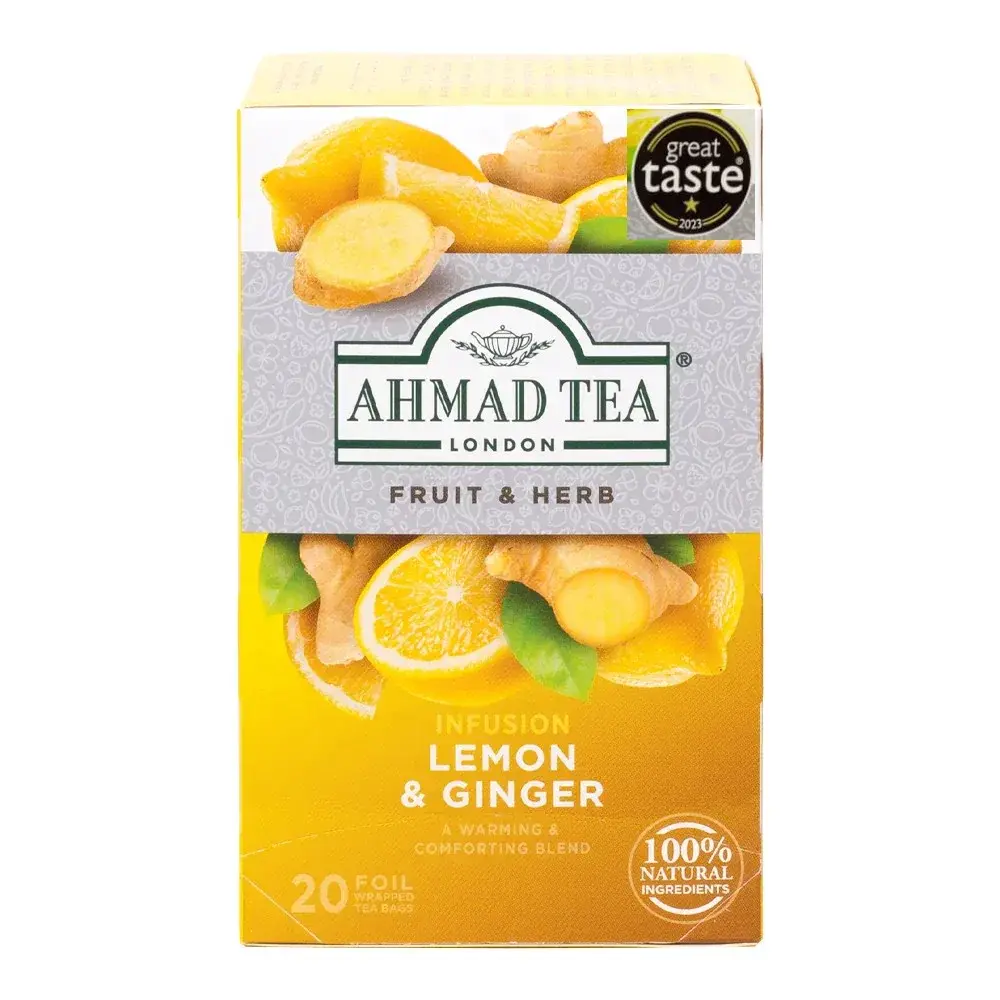
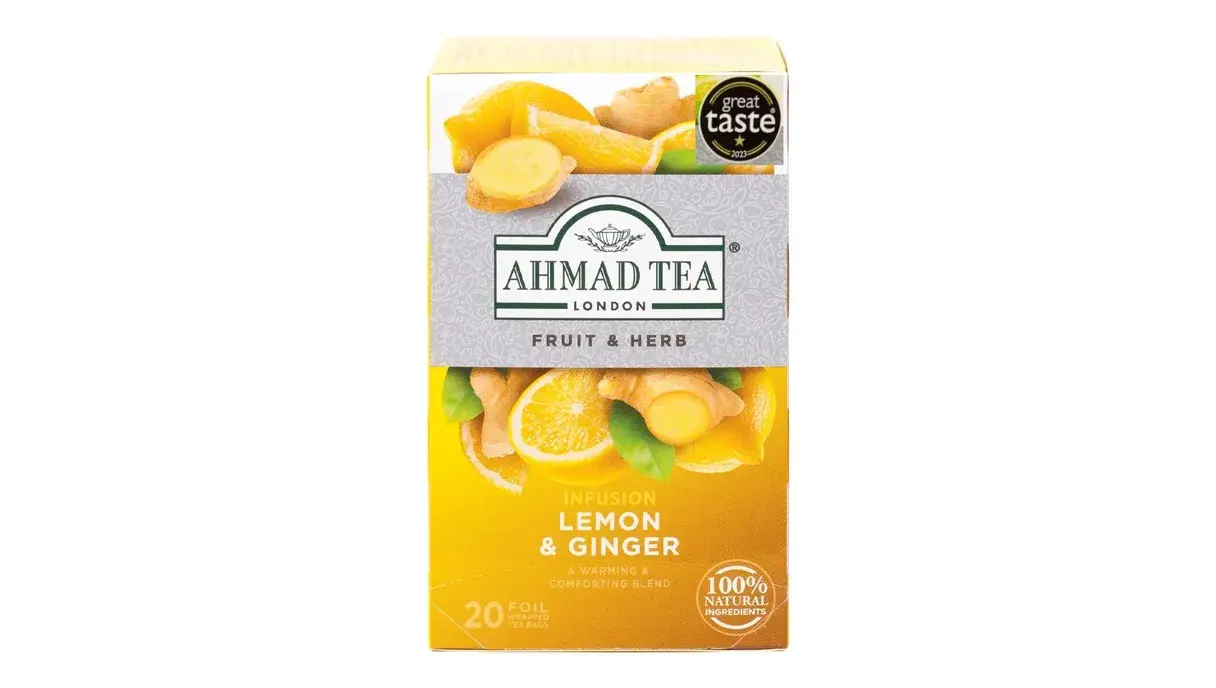
- Ahmad Tea Lemon & Ginger Infusion, 20 bags (Rs 1,250): zesty and warming, good with honey on a winter night or iced in summer.
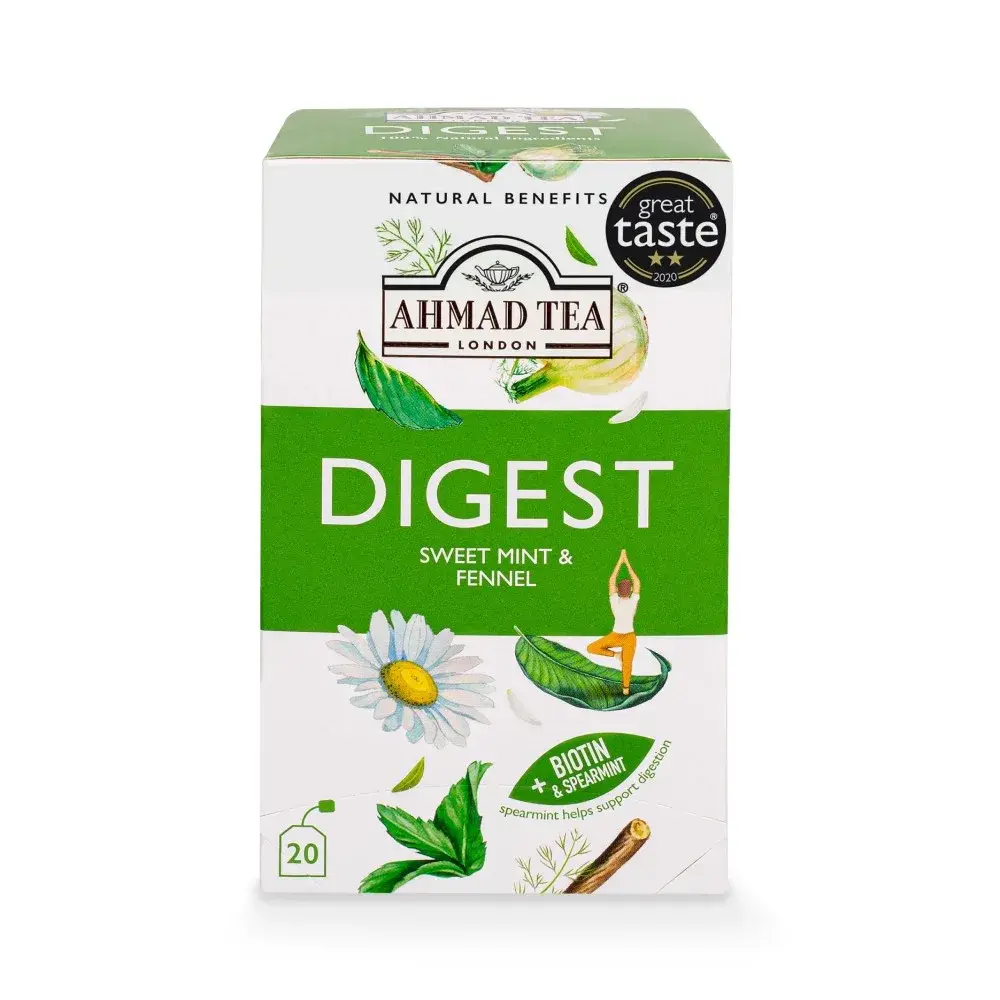
- Ahmad Tea Digest Sweet Mint & Fennel, 20 bags (Rs 1,300): cool mint with naturally sweet saunf, made for after a heavy meal.
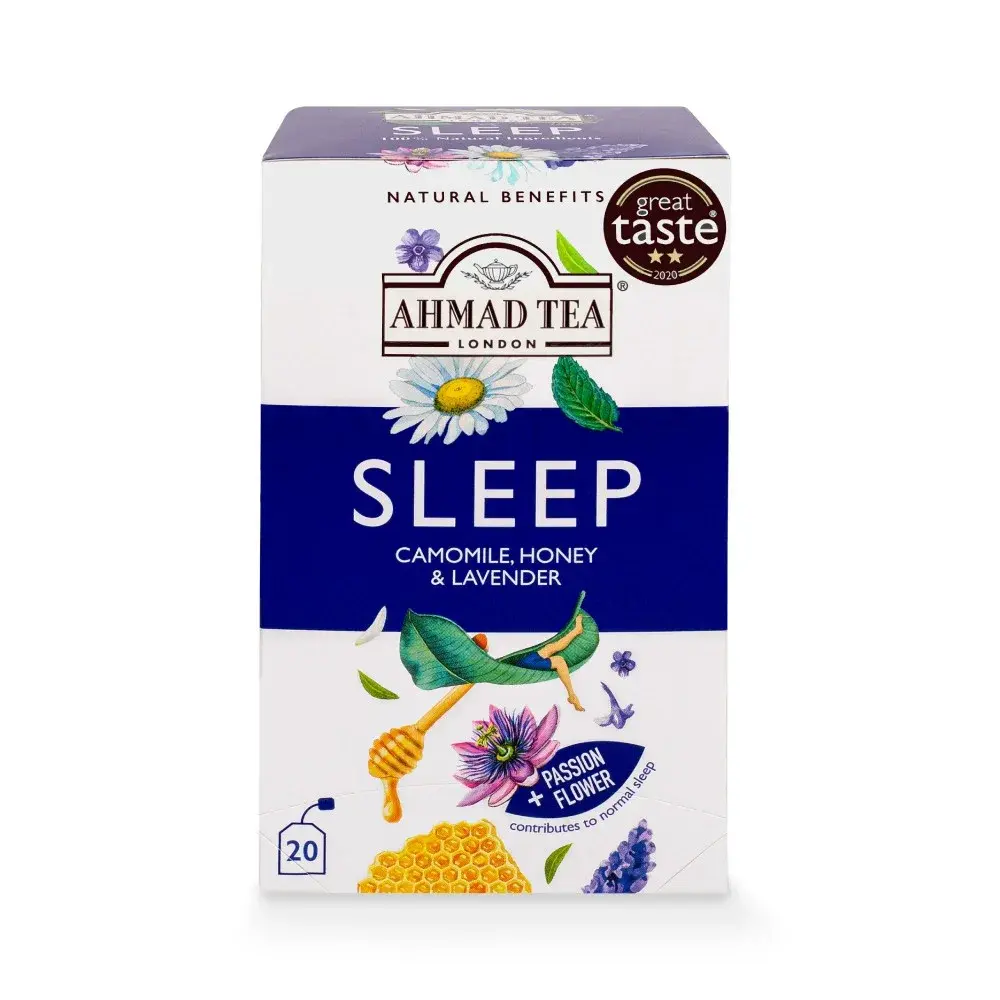
- Ahmad Tea Sleep Camomile, Honey & Lavender, 20 bags (Rs 1,300): a soft, floral cup for the last hour before bed.
The whole range sits in our Herbal Tea section, part of the wider Tea department. Below is what each blend actually contains, which one suits which moment, and who should be careful.
What counts as herbal tea
Real tea comes from one plant. The US National Center for Complementary and Integrative Health (NCCIH) explains that green, black and oolong teas all come from Camellia sinensis, prepared in different ways. That leaf is where the caffeine in your chai comes from.
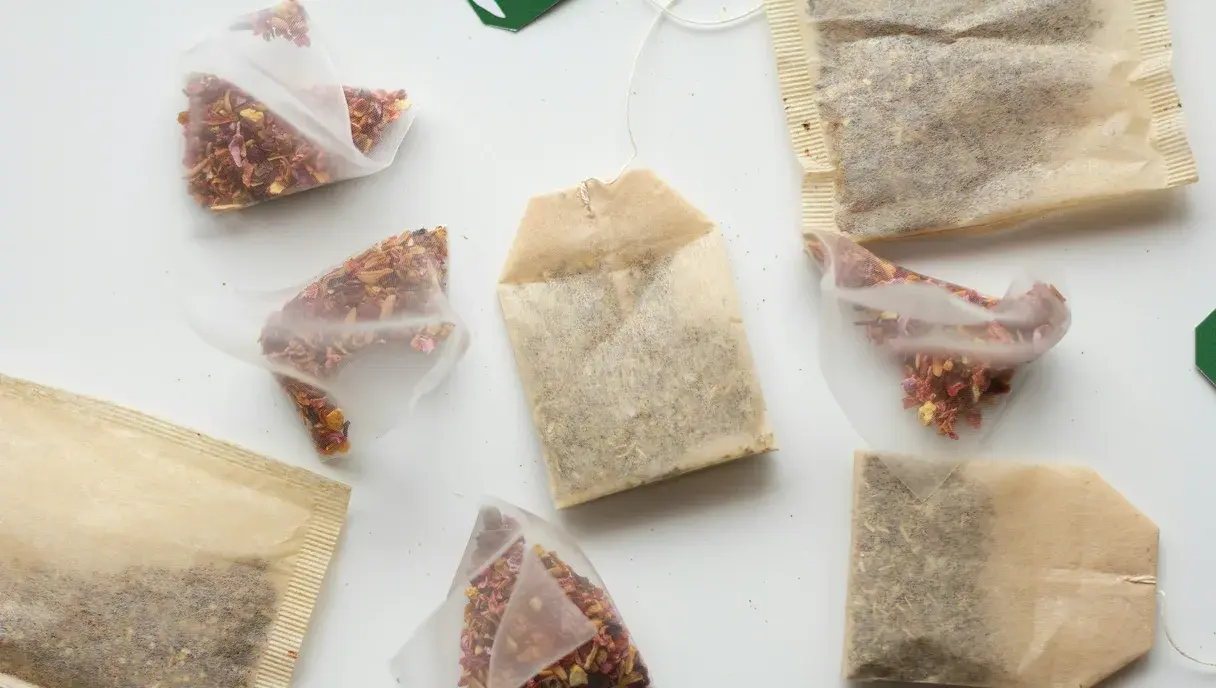
A herbal tea, sometimes sold as an infusion or tisane, uses no tea leaves at all. It is dried flowers, roots, seeds, peel or fruit steeped in hot water: chamomile, ginger, fennel, mint, lemongrass, turmeric. Most are naturally caffeine free, which is the main reason people buy them.
Two things to check on any box. First, the word "green tea" or "black tea" in the name means real tea leaves and caffeine, even if ginger or mint is added. Second, a few spiced blends hide something else, such as liquorice root or cocoa shells, in the full ingredient list. We flag both below.
Herbal tea prices in Pakistan: the boxes we stock
| Blend | Main ingredients | Bags | Best moment | Price |
|---|---|---|---|---|
| Ahmad Lemon & Ginger | Lemon peel, ginger, lemongrass, apple, hibiscus | 20 | Winter evenings, iced in summer | Rs 1,250 |
| Ahmad Immune | Lemon, ginger, turmeric, added vitamin C | 20 | An adrak haldi cup without grating | Rs 1,300 |
| Ahmad Digest | Sweet mint, fennel | 20 | After dinner or a dawat | Rs 1,300 |
| Lipton Anise | Anise | 20 | After meals, instead of a second chai | Rs 1,100 |
| Ahmad Camomile & Lemongrass | Camomile, lemongrass | 20 | Any time, hot or iced | Rs 1,200 |
| Ahmad Sleep | Camomile, lavender, honey flavour, passion flower | 20 | Last cup before bed | Rs 1,300 |
| Yogi Bedtime | Fennel, chamomile, peppermint, valerian root | 17 | Wind-down cup, long steep | Rs 1,950 |
| Ahmad Beauty | Peach, carob, rose petals | 20 | Iced for guests | Rs 1,300 |
Ingredients come from the brands' own pages and our product listings. Ahmad's UK site lists lemon peel, ginger, lemongrass, apple and hibiscus for Lemon & Ginger, and Yogi publishes the full Bedtime recipe with percentages.
Which herbal tea for which moment
Ginger and lemon: the winter cup
If your family already makes adrak wali chai when someone has a sore throat, this is the flavour you know. Ahmad Lemon & Ginger leads with lemon and finishes warm, and the brand says it is caffeine free. Add a spoon of honey for a hot evening cup, or brew two bags, cool and pour over ice in June.
Ahmad Immune adds turmeric, so it tastes earthier, closer to haldi doodh without the milk. Ahmad markets it for the immune system and says it contains added vitamin C. We sell it as a tasty, warming infusion and make no health claims for it.
On the research side, NCCIH says ginger may help with nausea in pregnancy, but most studies used supplements, not tea. It can cause heartburn or stomach upset in some people. A cup of ginger infusion is a comfort drink, not a treatment.
Mint, fennel and anise: after a heavy meal
Saunf after dinner is a Pakistani habit, and Ahmad Digest puts it in a cup: cool from the mint, naturally sweet from the fennel. Most people drink it without sugar. It is the box to keep for dawats and late biryani nights.
Lipton Anise tastes similar, sweet and a little like liquorice, but anise is a different seed from saunf. It is a good one for guests who avoid caffeine at night.
Chamomile, lavender and valerian: the bedtime cups
For evenings there are three choices. Ahmad Camomile & Lemongrass is the light everyday one. Ahmad Sleep is more floral, and our listing notes that the box also names passion flower. Yogi Bedtime is the most herbal: fennel 31%, chamomile 17%, peppermint 13% and valerian root 6%, according to Yogi.
Be realistic about sleep. NCCIH found very little evidence that chamomile helps insomnia, and calls the evidence on valerian for sleep inconsistent. What a bedtime cup reliably does is replace a late cup of caffeinated chai and give you a calm routine. Our chamomile tea guide goes deeper on babuna.
Turmeric chai: spiced, but read the label
Yogi Turmeric Chai (Rs 1,950) tastes like a gently spiced chai and makes quick golden milk if you steep it in hot milk. Yogi's UK page lists turmeric root 55%, cinnamon 14%, liquorice 11% and ginger 7%, plus cocoa shells, and marks the tea as containing caffeine. So it is not the pick if you want zero caffeine, and skip it in pregnancy because of the liquorice (more on that below).
How to brew herbal tea properly
Herbal tea needs hotter water and a longer steep than green tea. Use freshly boiled water, not water that has cooled for a few minutes.
- Ahmad and Lipton bags: 200 ml of freshly boiled water, 4 to 5 minutes, as their labels say.
- Yogi bags are larger: 250 ml, and Yogi suggests 5 to 6 minutes for Bedtime and 7 to 9 minutes for Turmeric Chai.
- Cover the cup while it steeps so the aroma stays in.
- For iced tea, brew two bags in one cup, cool, then pour over ice.
Honey suits ginger, lemon and chamomile blends. Fennel and anise are sweet enough on their own.
Who should be careful with herbal tea
Herbal teas are plants, and plants can interact with medicines. For most adults, a cup or two of a simple blend is fine. NCCIH says chamomile is likely safe in the amounts found in teas, but some groups should check first.
In pregnancy
The NHS advice is clear: avoid drinking more than 4 cups of herbal tea a day, and avoid teas containing liquorice root, because there is not much research on herbal teas in pregnancy. That rules out Yogi Turmeric Chai.
NCCIH also says passionflower should not be used during pregnancy, so skip Ahmad Sleep, and little is known about valerian in pregnancy, so leave Yogi Bedtime too. Simple ginger or mint blends are the gentler choice, and check with your doctor. Our pregnancy calculator helps you track your weeks.
If you take medicines
NCCIH lists reported interactions between chamomile and warfarin, and notes that chamomile might reduce the effect of birth control pills. NCCIH also warns that valerian should not be combined with sedatives and that lavender and passionflower may interact with some sedative or anaesthetic drugs. If you take a blood thinner, sleeping tablets, anxiety medicine or the pill, ask your doctor or pharmacist before making a sleep blend a nightly habit.
Allergies and children
People allergic to daisies, marigolds or ragweed are more likely to react to chamomile, according to NCCIH. For young children, ask your doctor before giving any herbal tea, and never use one in place of feeds or fluids a doctor has advised.
When to see a doctor instead
A warm cup is comfort, not treatment. See a doctor if you have trouble sleeping most nights for weeks, heartburn or indigestion that keeps coming back, stomach pain, weight loss you cannot explain, or a cough or sore throat that lasts more than a few weeks. Those need a proper check, not a different tea.
Herbal tea FAQ
Is herbal tea caffeine free?
Most is. Blends made only from herbs, flowers, spices and fruit have no tea leaves, so no caffeine. Check the name and full ingredients: anything with green or black tea has caffeine, and Yogi marks its Turmeric Chai as containing caffeine.
How many cups of herbal tea a day is fine?
For most adults, a few cups of a simple blend is a normal amount. In pregnancy the NHS says no more than 4 cups a day and no liquorice root. If you take regular medicines, ask your doctor about sleep blends.
Can herbal tea help with weight loss?
We do not sell any tea for weight loss, and no herbal tea replaces diet and activity. Swapping a sugary doodh patti for an unsweetened herbal cup does cut sugar, and our calorie calculator shows how much those cups add up to.
What is the difference between herbal tea and green tea?
Green tea is made from tea leaves and contains caffeine; herbal tea has no tea leaves. If you want green tea with ginger or mint, see our green tea guide and the Green & Chinese Tea range.
The practical pick
Start with one box for the moment you most want to replace a cup of chai. For winter evenings, Ahmad Lemon & Ginger. After heavy dinners, Ahmad Digest. For the last cup of the night, Ahmad Camomile & Lemongrass, or Ahmad Sleep if nothing above rules it out for you. Every box is original, imported stock, and you can pay cash on delivery anywhere in Pakistan.
An article can only be general. Talk to one of our registered doctors on WhatsApp about what applies to you; they reply within a day.
Ask a doctorLiked this one? Get the next in your inbox.
One fortnightly note from the editors, new pieces, restocks, and the routines we're actually using. Unsubscribe any time.