Ginseng & Ginkgo Biloba in Pakistan: Benefits for Energy, Focus & Brain Fog (2026)
A doctor-reviewed guide to ginseng and ginkgo biloba in Pakistan: what they do for energy, focus and brain fog, how to dose them, and who should avoid them.
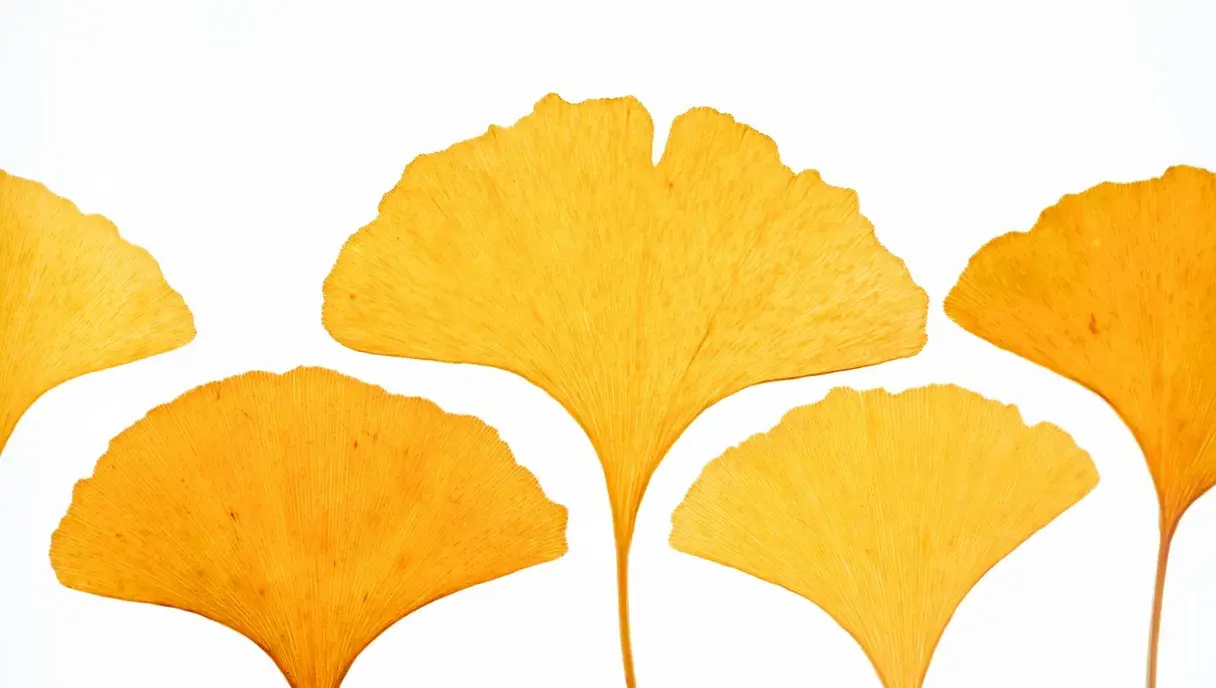
Did you know ginkgo biloba comes from one of the oldest tree species on earth, surviving more or less unchanged for over 200 million years? Together with ginseng, it is one of the most famous herbal helpers in the world. If you feel foggy by mid-afternoon or run out of steam too soon, you have probably heard of both.
Interest in ginseng benefits and ginkgo biloba benefits is genuine. In Pakistan, both herbs are now widely available in pharmacies and online. This guide explains, in plain language, what each one does. It covers what the evidence really shows for energy, focus and brain fog, how to use them safely, and who should steer clear.
Shop the picks in this guide (4)
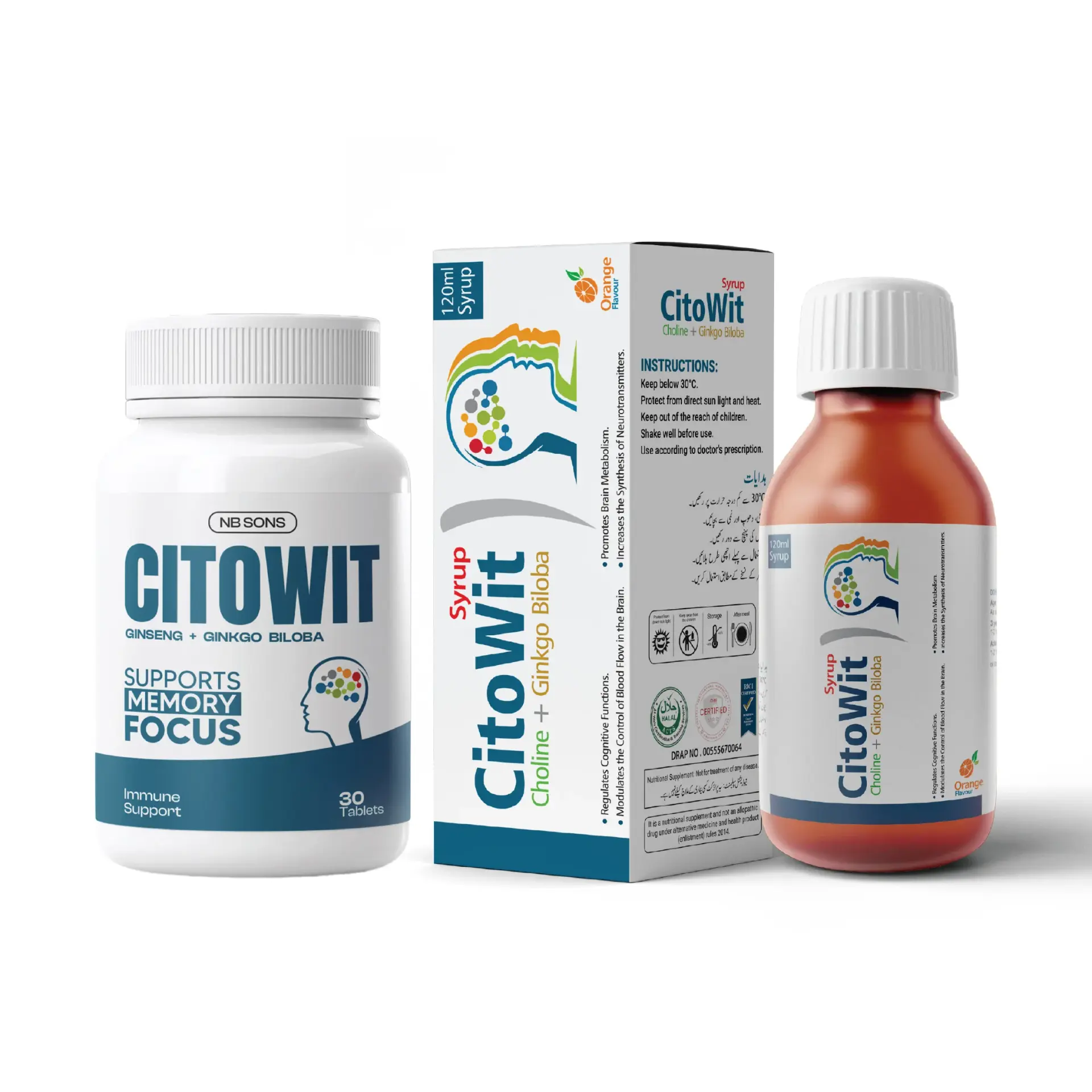
- Citowit Ginkgo & Ginseng Brain Supplement, Rs 880, both herbs in one daily dose
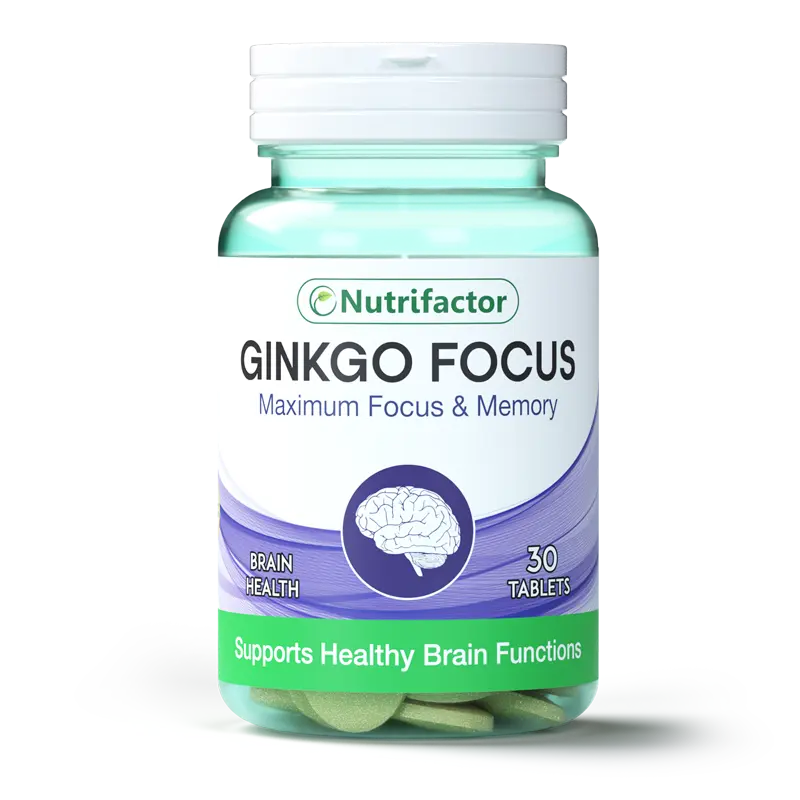
- Nutrifactor Ginkgo Focus for Memory & Concentration, Rs 1,020, the same pairing in a 30-tablet bottle with a printed daily dose
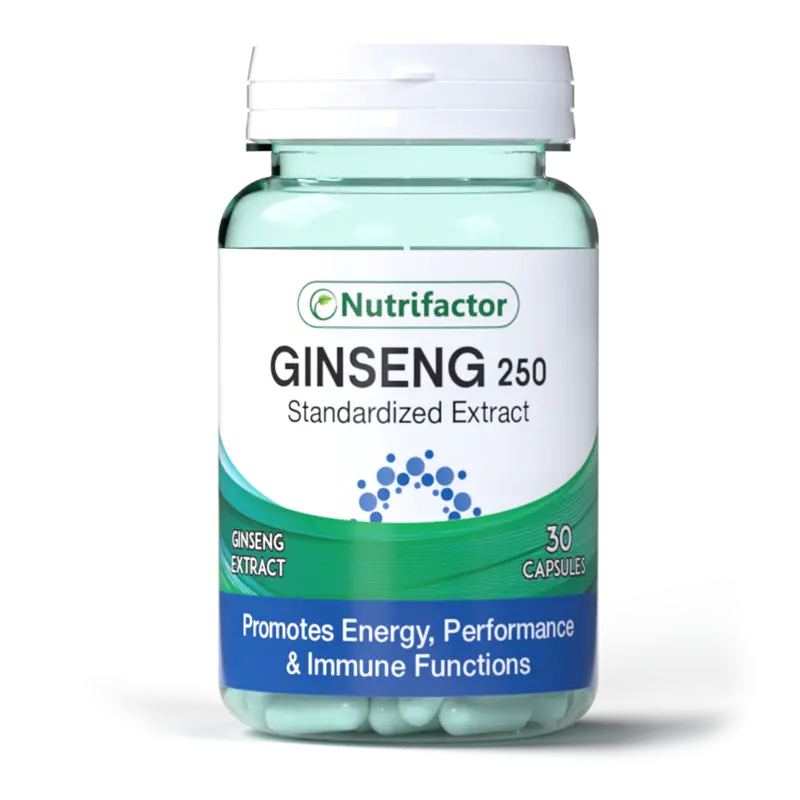
- Nutrifactor Ginseng 250mg Capsules, Rs 880, single-herb ginseng, 250 mg a capsule, for steady energy and immune support
- Nutrifactor Threogen (Magnesium L-Threonate 1600mg), Rs 1,490, a non-herbal option for memory and focus if ginkgo is off the table
What is ginseng (Panax)?
True ginseng refers to plants of the Panax family. The most common are Panax ginseng (Korean or Asian ginseng) and Panax quinquefolius (American ginseng). The root is the part used, and it has anchored East Asian herbal tradition for centuries.
Ginseng is an adaptogen. It is thought to help the body cope with physical and mental stress, and to support steady energy rather than the jittery spike of strong coffee.
The active compounds are saponins called ginsenosides. They are believed to influence how cells use energy and how the body responds to stress hormones. Note that "Siberian ginseng" (eleuthero) is a different plant, not true Panax ginseng. Always check the Latin name on a product.
What is ginkgo biloba?
Ginkgo biloba comes from that ancient tree species, with the extract made from its distinctive fan-shaped leaves. Its reputation rests largely on circulation. Ginkgo is thought to improve blood flow, including the small vessels supplying the brain. It also acts as an antioxidant, protecting cells from oxidative damage.
This is why it is traditionally linked with memory, mental sharpness and concentration, rather than raw physical energy. The standardised extracts studied usually contain a fixed percentage of flavonoid glycosides and terpene lactones. These are the compounds thought to do most of the work.
Ginseng vs ginkgo: how they differ
Here is the simplest way to keep the two apart. One is mostly about energy. The other is mostly about circulation. They overlap, but their main reputations differ. This is why so many people search for ginseng vs ginkgo before buying.
| Feature | Ginseng (Panax) | Ginkgo biloba |
|---|---|---|
| Main reputation | Energy, stamina, stress resilience | Circulation, memory, focus |
| Type | Adaptogen (root) | Antioxidant and circulatory support (leaf) |
| Best suited to | Tiredness, low stamina, stress-related fatigue | Brain fog, poor concentration, age-related memory niggles |
| Typical feel | Steadier daytime energy | Clearer, sharper thinking |
| Key caution | Blood pressure, blood sugar | Bleeding risk with blood thinners |
Ginseng and energy: what the evidence shows
Ginseng is one of the most popular natural choices for an energy supplement that does not rely on caffeine. Some studies suggest it may help reduce fatigue, particularly in people who are run down. It may also support stamina and wellbeing. The effect is generally moderate, and research is mixed, because products and doses vary so much.
Ginseng is not an instant stimulant. If you are always exhausted, look at the underlying causes first. Our guide on why you are always tired in Pakistan covers sleep, iron, thyroid and other factors no herb can fix. Our piece on vitamin B12 deficiency symptoms in Pakistan explains why tiredness is often a B12 or iron problem rather than a "low ginseng" one.
Ginkgo, focus, memory and brain fog
Ginkgo is the herb people reach for when the complaint is mental rather than physical. That woolly, slow, cannot-quite-think feeling is often called brain fog. By supporting blood flow to the brain, ginkgo is used as a focus supplement and studied for memory improvement, especially in older adults.
The honest picture from research is cautious. Some trials in people with age-related memory decline have shown modest benefits. But large prevention trials in healthy older adults did not find that ginkgo stops dementia or boosts memory in people who are already well. The United States National Center for Complementary and Integrative Health explains this in its overview of ginkgo. The sensible takeaway is simple. Ginkgo may help some people feel sharper, but it is a support, not a cure.
Who do ginseng and ginkgo suit?
These herbs appeal to three groups in particular:
- Students facing long study sessions and exams who want steadier energy and concentration.
- Working professionals dealing with mental fatigue, deadline stress and the afternoon slump.
- Older adults who notice their memory and focus slipping and want gentle daily support.
Is your low energy rooted in stress and burnout? Also read our ashwagandha benefits guide for stress and energy in Pakistan. Ashwagandha is another adaptogen that targets the stress side of fatigue.
Realistic expectations and timeframe
Herbs are not switches. With ginseng, some people notice a lift in energy and mood within a couple of weeks, though Nutrifactor's own guidance for its ginseng capsules is that results usually show within two to three months of regular use, and that they vary from person to person.
With ginkgo, any improvement in focus or memory typically needs daily use for 4 to 8 weeks, sometimes up to 12 weeks, before you can fairly judge it. If nothing has changed after about 12 weeks of correct, consistent use, it is reasonable to stop.
Set the bar sensibly. Think "a useful edge" rather than "a transformation". Remember that sleep, hydration (especially in Pakistan's heat), regular meals and movement will always outperform any capsule.
Dosage and how to take them
Doses vary by product and concentration, so the label is your first reference:
- Ginseng: taken with a meal, and earlier in the day if it disturbs your sleep. Many standardised products provide a few hundred milligrams of extract per day.
- Ginkgo: standardised leaf extract taken daily, often split into one or two doses with food. Consistency matters more than one large dose.
In Pakistan you have a few clear, reputable options. Nutrifactor Ginseng 250mg Capsules for Energy & Immunity, Rs 880, is the single-herb one: 250 mg of Panax ginseng extract per capsule, with the label calling for two capsules daily with a meal, so a 30-capsule bottle covers 15 days.
If you want both herbs, you do not need two bottles. Nutrifactor Ginkgo Focus for Memory & Concentration, Rs 1,020, is already a combination: 120 mg of ginkgo biloba extract and 150 mg of Panax ginseng extract per tablet, one to two tablets daily with a meal, 30 tablets per bottle, adults only. Citowit Ginkgo & Ginseng Brain Supplement, Rs 880, carries that same 120 mg ginkgo and 150 mg ginseng pairing, taken as directed on the pack. Many students and professionals start with one of these two rather than buying the herbs separately.
Combining ginseng and ginkgo
Their strengths are complementary. Ginseng covers energy and stress, while ginkgo covers circulation and focus. That is the logic behind combined brain supplements, and it is why both Citowit and Nutrifactor Ginkgo Focus put the two herbs in a single daily tablet. For most healthy adults this is considered reasonable.
The key rules are simple. Do not double up by taking a combination product alongside a single-herb one, since Citowit and Ginkgo Focus already contain ginseng. Follow the safety cautions below, which apply to both herbs together as much as separately.
Safety, side effects and who should avoid them
These are generally well tolerated by healthy adults, but not risk-free. Read this part carefully.
Ginkgo and bleeding risk
Ginkgo can thin the blood slightly. So avoid it, or use it only with medical supervision, if you take blood thinners such as warfarin, aspirin or clopidogrel, or other medicines affecting clotting. Stop ginkgo at least two weeks before any planned surgery, because of bleeding risk. Mayo Clinic discusses these interactions in its ginkgo biloba overview.
Ginseng, blood pressure and diabetes
Ginseng may affect blood pressure and lower blood sugar. So people with hypertension or diabetes, or anyone on medication for these, should speak to a doctor first and monitor their readings. It can also occasionally cause sleep disturbance, headaches or digestive upset.
Pregnancy, breastfeeding and children
Neither herb is recommended in pregnancy or breastfeeding, and they are not suitable for children. Cleveland Clinic offers general guidance on using herbal supplements safely in its ginkgo resource. If ginkgo is ruled out for you, for example because you take a blood thinner, Nutrifactor Threogen, Rs 1,490, is a non-herbal magnesium L-threonate option for memory and focus that does not carry ginkgo's bleeding caution. Anyone on regular medication should still run it past their doctor or pharmacist first. For another better-evidenced route for brain and circulation, see our guide to omega-3 fish oil benefits in Pakistan.
This article was written and medically reviewed to our medical review board standards and is for general guidance, not personal medical advice. Always speak to a doctor or pharmacist about your own situation.
If you want one thing to start with, take the combination. Citowit Ginkgo & Ginseng Brain Supplement, Rs 880, gives you 120 mg of ginkgo and 150 mg of ginseng in a single daily dose, and you can judge it fairly after six to eight weeks. If you would rather have a printed daily dose and a 30-tablet bottle, choose Nutrifactor Ginkgo Focus instead. We deliver cash on delivery across Pakistan, and delivery is free on orders over Rs 5,000 in Punjab.
Shop Citowit Ginkgo & Ginseng Brain Supplement →Frequently asked questions
Can I take ginseng and ginkgo together?
Yes, many people do. Ginseng targets energy and stress, while ginkgo targets circulation and focus. Both Citowit and Nutrifactor Ginkgo Focus are made for this, pairing 120 mg of ginkgo with 150 mg of ginseng in one tablet. Avoid doubling up with a separate ginseng capsule on top, and check the safety cautions, especially if you take any medication.
Which is better for brain fog, ginseng or ginkgo?
For mental fog and concentration, ginkgo is the more logical first choice, because of its link to brain circulation. If your fog is mainly exhaustion and stress, ginseng suits better. A combined formula hedges both.
How long before I notice anything?
Ginseng energy effects may appear within a couple of weeks, though Nutrifactor says its own ginseng usually takes two to three months of regular use. Ginkgo focus and memory benefits usually need 4 to 8 weeks, sometimes up to 12, of daily use. If nothing has changed after around 12 weeks, it is reasonable to stop.
Are ginseng and ginkgo safe with blood pressure or diabetes medicine?
Use caution. Ginseng can affect blood pressure and blood sugar, and ginkgo can thin the blood. If you take medication for hypertension, diabetes or clotting, speak to your doctor or pharmacist first and monitor your readings.
Can students take these for exams?
Many students use them for steadier energy and focus. For healthy young adults they are generally well tolerated. They support, but do not replace, sleep, revision and good nutrition, which matter far more for results.
Are they available in Pakistan, and what do they cost?
Yes, all three are in stock with us. Citowit Ginkgo & Ginseng Brain Supplement is Rs 880, Nutrifactor Ginkgo Focus is Rs 1,020 for 30 tablets, and Nutrifactor Ginseng 250mg is Rs 880 for 30 capsules. The two combination products give you both herbs in one tablet, so one bottle is all most readers need.
Liked this one? Get the next in your inbox.
One fortnightly note from the editors, new pieces, restocks, and the routines we're actually using. Unsubscribe any time.