Dental Floss vs Water Flosser: Which Is Best in Pakistan?
Dental floss, interdental brushes or a water flosser? What the research says, how to floss properly, and which tool we stock suits your teeth.
After a plate of nihari or a handful of chana, the bits that stay stuck are the ones between your teeth, and a toothbrush cannot reach them. The American Dental Association says toothbrush bristles alone cannot clean those tight spaces well, and the NHS advises cleaning between your teeth once a day with floss or interdental brushes.
There are three main ways to do it: string floss, interdental brushes and a water flosser. This guide explains what the research says about each, how to use them properly, and which of the tools we stock suits which mouth, from a Rs 600 reel of floss to a Rs 27,900 cordless water flosser.
Dental floss and water flossers in Pakistan: our picks
All original and imported, at our prices, with cash on delivery.
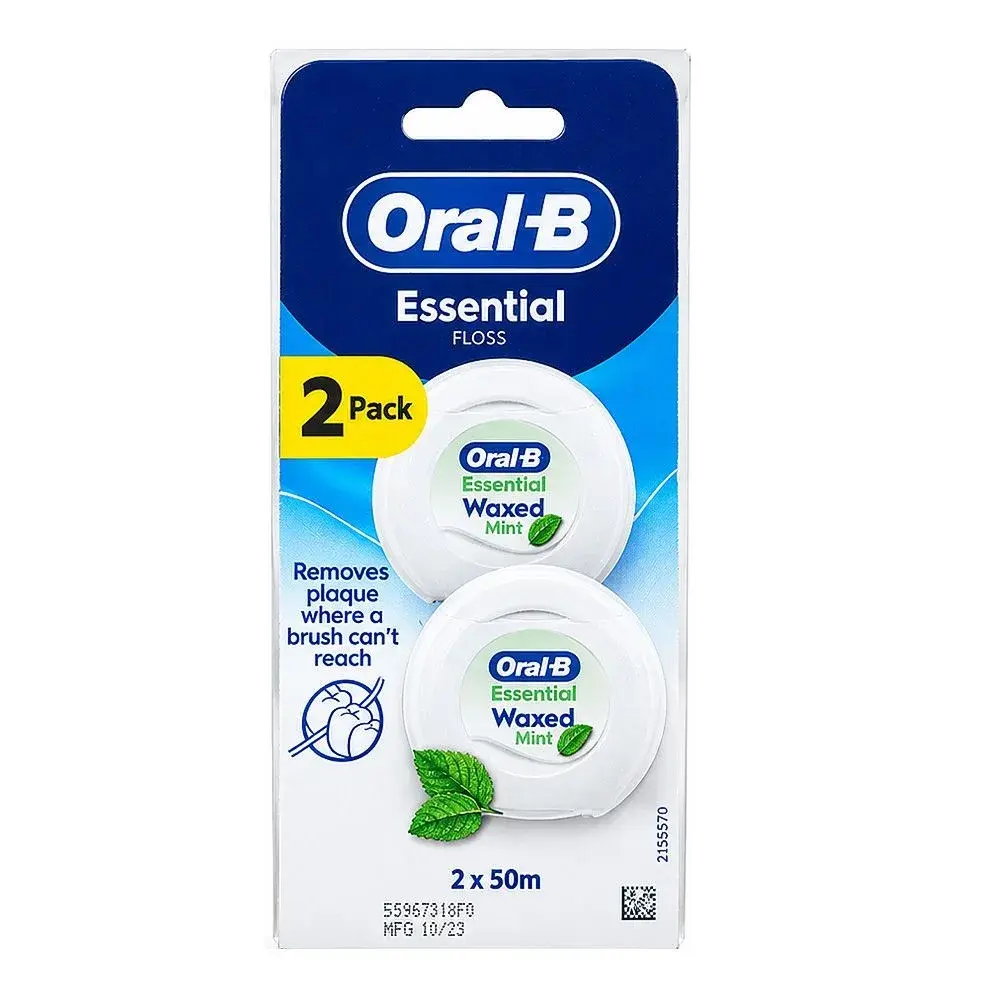
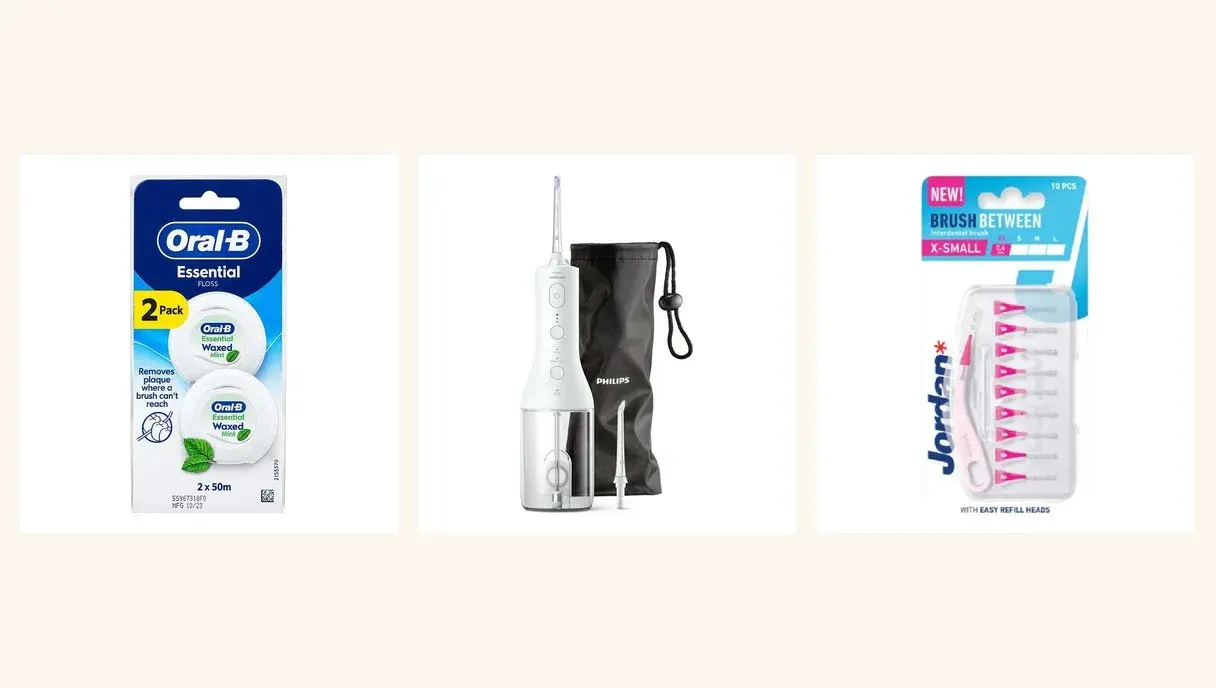
- Oral-B Essential Floss Waxed Mint, 2 x 50m (Rs 1,125), classic waxed floss in a twin pack, 100 metres in all.
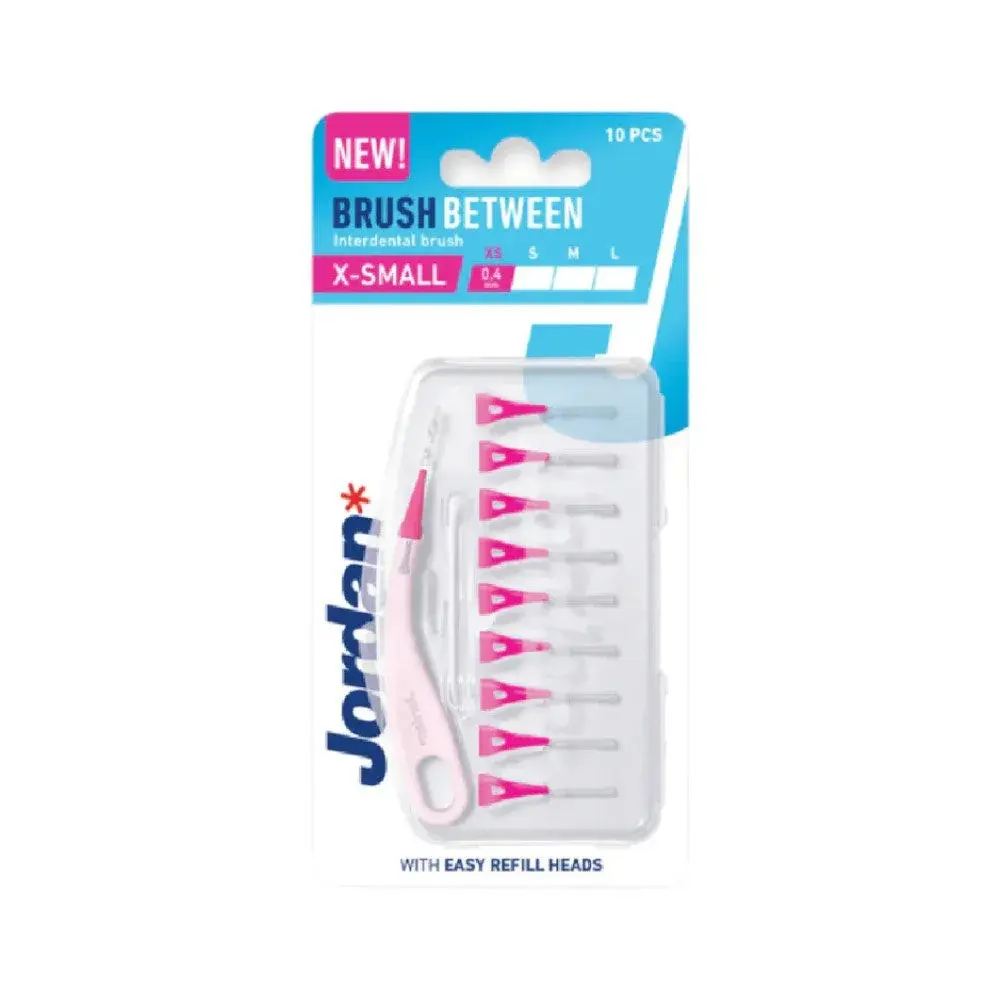
- Jordan Clinic Brush Between, Extra Small, 10-pack (Rs 2,395), interdental brushes with a bendable neck for the back teeth.
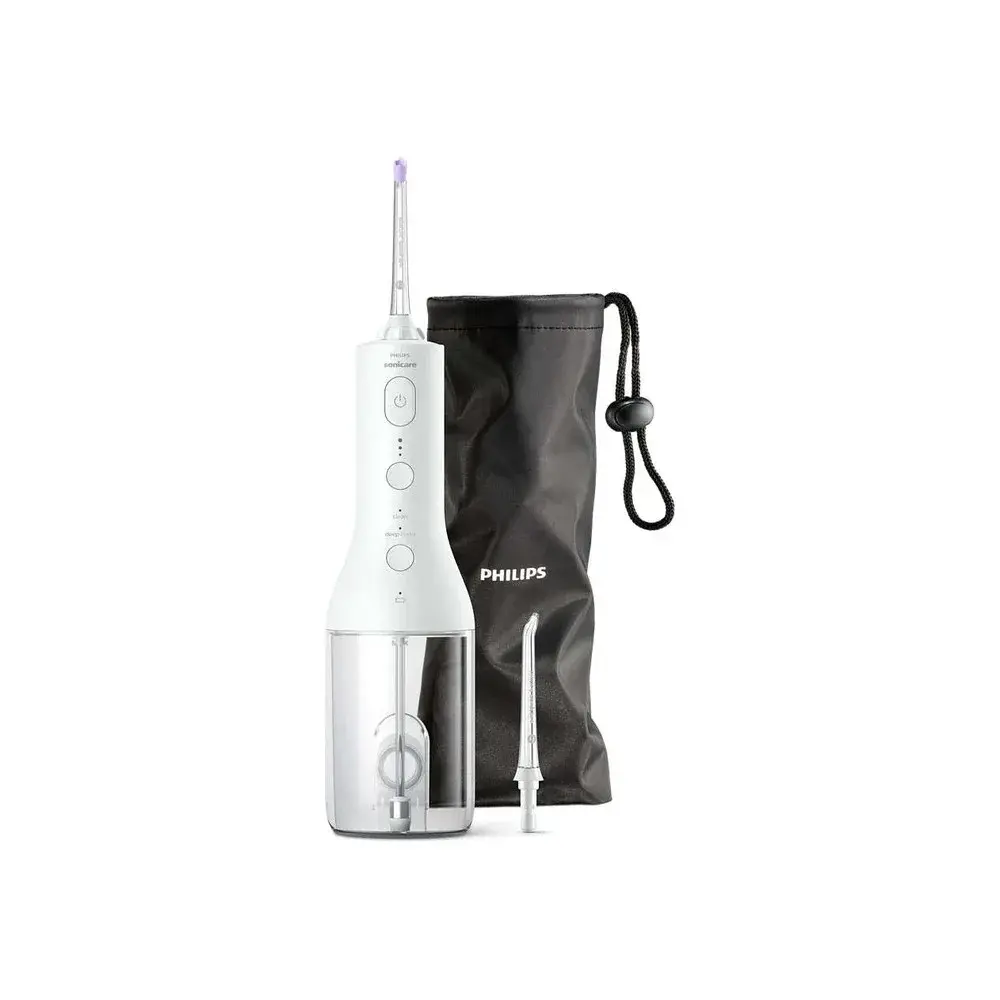
- Philips Sonicare Cordless Power Flosser 3000 HX3806/31 (Rs 27,900), a rechargeable water flosser.
- Beauty Formulas Interdental Brushes 0.45mm, 10-pack (Rs 650), the budget way to try interdental brushes.
- Beauty Formulas Go-Between Dental Flossers, 50 sticks (Rs 725), floss on a handle for one-handed use.
- Oral-B Essential Floss Unwaxed, 50m (Rs 600), thin unflavoured floss.
Everything for between the teeth is on our floss and miswak page, part of the Oral Care department.
Why clean between your teeth at all?
Plaque is a film of bacteria that builds up along the gumline and between the teeth. The ADA explains that plaque you do not remove can harden into tartar, which only a dental professional can remove, and that gums around it can swell and bleed. That is gingivitis, the early stage of gum disease.
Gum disease is common, and the NHS lists its signs as gums that bleed when you brush, floss or bite into something hard, and gums that look swollen, red and sore. Left alone, it can lead to bad breath, receding gums and loose teeth. Cleaning between your teeth every day is one of the NHS's own prevention steps.
What the evidence says: floss vs interdental brushes vs water flossers
The fullest look at this is a 2019 Cochrane review of 35 trials with 3,929 adults. It compared brushing alone with brushing plus a between-the-teeth tool, and compared the tools with each other. Its findings, in plain terms:
- Floss plus brushing may reduce gingivitis compared with brushing alone, at one, three and six months. The effect on plaque was unclear.
- Interdental brushes plus brushing may reduce gingivitis and plaque in the short term, and may work better than floss for gingivitis at one and three months.
- Water flossers (oral irrigators) plus brushing may reduce gingivitis at one month, but the review found no benefit at three or six months and no difference in plaque. Some evidence suggested they may beat floss for gingivitis in the short term.
- No device caused serious problems, and there was no difference in minor effects such as gum irritation.
The catch is that the authors rated the evidence as low to very low certainty, most trials were short, and the effects may not be clinically important. So no tool is a proven winner. What the review does support is the habit itself: cleaning between your teeth with something, every day, alongside brushing.
The ADA's guidance matches the tool to the mouth. It suggests floss for people with tight gaps between their teeth, and interdental brushes for people with more open gaps or gum disease. It also notes there is no difference in effectiveness between waxed and unwaxed floss.
The three options, side by side
| Tool | Best for | Drawbacks | What we stock | Our price* |
|---|---|---|---|---|
| String floss | Tight gaps, the lowest cost per use | Takes practice; hard around braces and bridges | Oral-B Essential Floss waxed or unwaxed | Rs 600 to Rs 1,125 |
| Floss picks | Beginners, one-handed use, the car or office | One stick per session adds up | Beauty Formulas Go-Between, 50 sticks | Rs 725 |
| Interdental brushes | Wider gaps, gum disease, braces | You need the right size for each gap | Beauty Formulas 0.45mm; Jordan Extra Small | Rs 650 to Rs 2,395 |
| Water flosser | Braces, bridges, implants, anyone who will not floss | Expensive; needs charging and cleaning | Philips Sonicare Cordless Power Flosser 3000 | Rs 27,900 |
*At the time of writing.
String floss: how to use it properly
Most people who give up on floss were never shown how to use it. The NHS method is simple:
- Take 30cm to 45cm of floss and hold it so you have 3cm to 4cm pulled tight between your hands.
- Slip it between two teeth and down into the gap between tooth and gum, as far as it will go.
- Curve it into a C shape against one tooth and slide it gently up and down. Then curve it the other way against the neighbouring tooth.
- Move to a clean section of floss for the next gap, including behind your back teeth.
The ADA's MouthHealthy guide adds one warning: guide the floss with a gentle rubbing motion and never snap it down into the gums. Cleaning between your teeth should not hurt. If it still hurts after some practice, ask your dentist.
Waxed or unwaxed is a matter of feel. Waxed floss slides more easily through tight contacts, and unwaxed is thinner. Floss picks such as the Go-Between sticks do the same job on a handle, which many beginners find easier. The ADA does not recommend reusing floss or any other interdental cleaner, because it frays and can put bacteria back into your mouth.
Interdental brushes: the ones dentists keep handing out
An interdental brush is a tiny bottle brush on a handle. The NHS says you can use interdental brushes instead of floss, especially if there are gaps between your teeth, and that the brush should fit snugly. Too small and it does little; too big and you should not force it.
That is why size matters. The Beauty Formulas 0.45mm brushes suit small to medium gaps. The Jordan Extra Small brushes have a neck that bends, which makes the back teeth easier to reach. If one size will not go into a gap at all, that gap needs floss or a smaller brush. Your dentist or hygienist can tell you which sizes fit your mouth.
The ADA advises using interdental cleaners once and then throwing them away. If you rinse and reuse a brush, as many people do, bin it the moment the bristles flatten or the wire bends. The NHS also warns against wooden toothpicks for trapped food, because they can damage your gums and lead to infection.
Water flossers: who they are really for
A water flosser sends a pulsing jet of water between your teeth and along the gumline. MouthHealthy says it can be useful if you find other tools hard to work with, and that people with braces, bridges and other dental work may find it helps them reach every corner. MedlinePlus describes water irrigation as something that may supplement, but not replace, brushing and flossing.
The Philips Sonicare Cordless Power Flosser 3000 is the one we stock. Philips describes the Power Flosser 3000 range as having two flossing modes, three intensity levels and a Quad Stream tip that splits the flow into four jets. It is cordless and rechargeable, so it works through load-shedding and does not need a socket next to the sink.
Two practical points for Pakistani homes. Fill the tank with lukewarm water, start on the lowest setting and lean over the sink, because it splashes until you get the hang of it. And if your water is hard, empty the tank after each use and run clean water through, so scale does not build up in the nozzle.
Is it worth Rs 27,900? For someone with braces, a bridge or implants, or someone who simply never manages to floss, it can be the tool that actually gets used. For everyone else, the evidence does not show it beats floss or interdental brushes over months, and Rs 1,125 of floss will do the job.
How to choose
- Tight teeth, no dental work: Oral-B Essential Floss Waxed Mint, or the unwaxed reel if you like a thinner thread.
- Visible gaps, or your dentist has mentioned gum disease: interdental brushes in the size that fits snugly.
- You keep meaning to floss and never do: start with floss picks, which take seconds.
- Braces, bridges or implants: interdental brushes, a water flosser, or both.
- You already own an Oral-B electric brush: Floss Action heads (Rs 2,450 for four) reach further into the gaps, but still clean between your teeth separately.
Before or after brushing?
The experts do not agree, which tells you it does not matter much. The NHS says it is best to floss before brushing, MedlinePlus says after, and the ADA says either is fine as long as you are thorough. Pick a time you will stick to. The ADA's MouthHealthy suggests the morning or after lunch if you are too tired at night.
For children, MouthHealthy says flossing should start as soon as two teeth touch, with an adult doing it at first, and that children usually take over around age 10 or 11.
More guides in this series
Sources
Frequently asked questions
Which is better, dental floss or a water flosser?
Neither is clearly better. The 2019 Cochrane review found low-certainty evidence that water flossers may reduce gingivitis more than floss in the first month, but no lasting advantage. Interdental brushes may do better than floss for gingivitis. The best tool is the one you will use every day.
My gums bleed when I floss. Should I stop?
No, but do not ignore it. The NHS lists bleeding when you brush or floss as a sign of gum disease and advises getting it checked by a dentist. Floss gently, never snap it into the gum, and book a check-up if the bleeding carries on.
Can a water flosser replace brushing?
No. MedlinePlus describes water irrigation as a supplement to brushing and flossing, not a replacement. Keep brushing twice a day with fluoride toothpaste.
How often should I floss?
Once a day, according to the ADA and the NHS. Any time of day works.
What size interdental brush do I need?
The one that fits snugly into the gap without forcing. Many people need more than one size. The 0.45mm and extra small brushes we stock suit smaller gaps; ask your dentist or hygienist to check.
Liked this one? Get the next in your inbox.
One fortnightly note from the editors, new pieces, restocks, and the routines we're actually using. Unsubscribe any time.