Scrub or acid?
A scrub removes dead skin with friction. A chemical exfoliant dissolves the bonds holding it on. For acne-prone or sensitive skin the chemical route is usually gentler, because friction on an active breakout spreads it.
Acne-prone skin
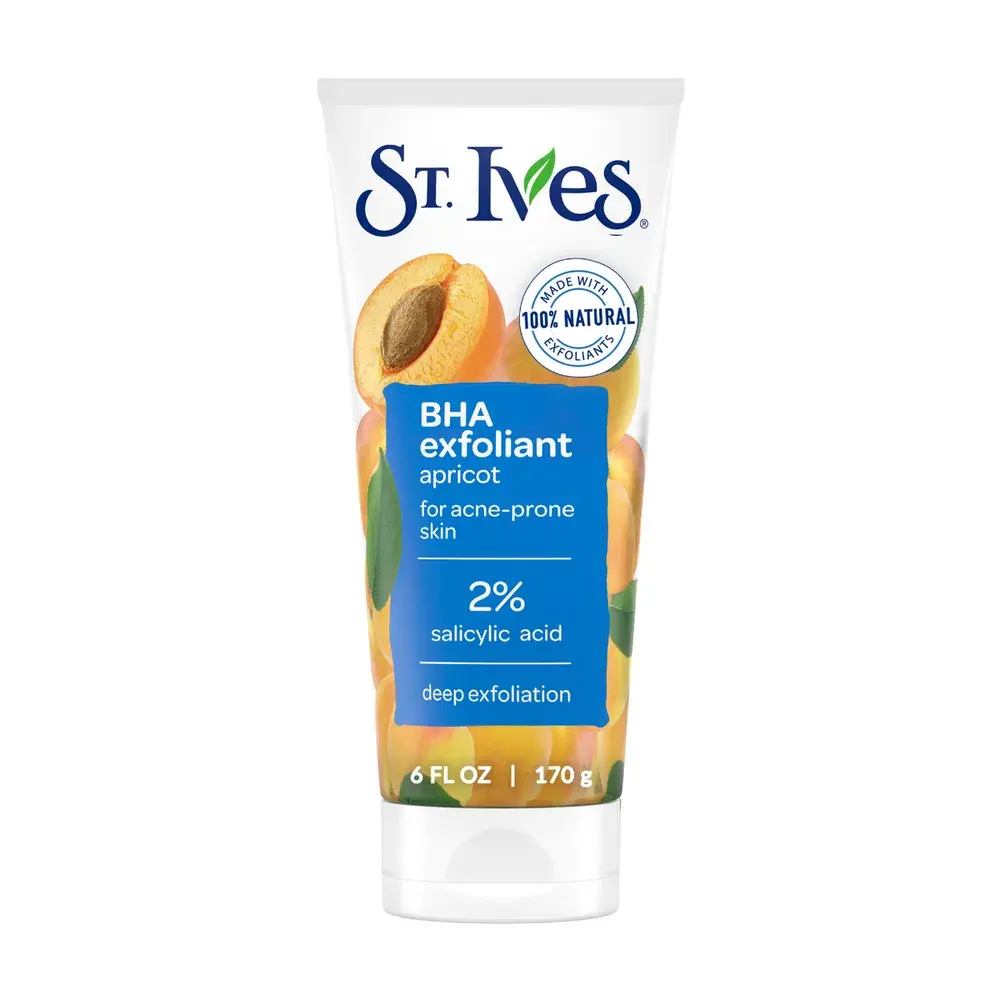
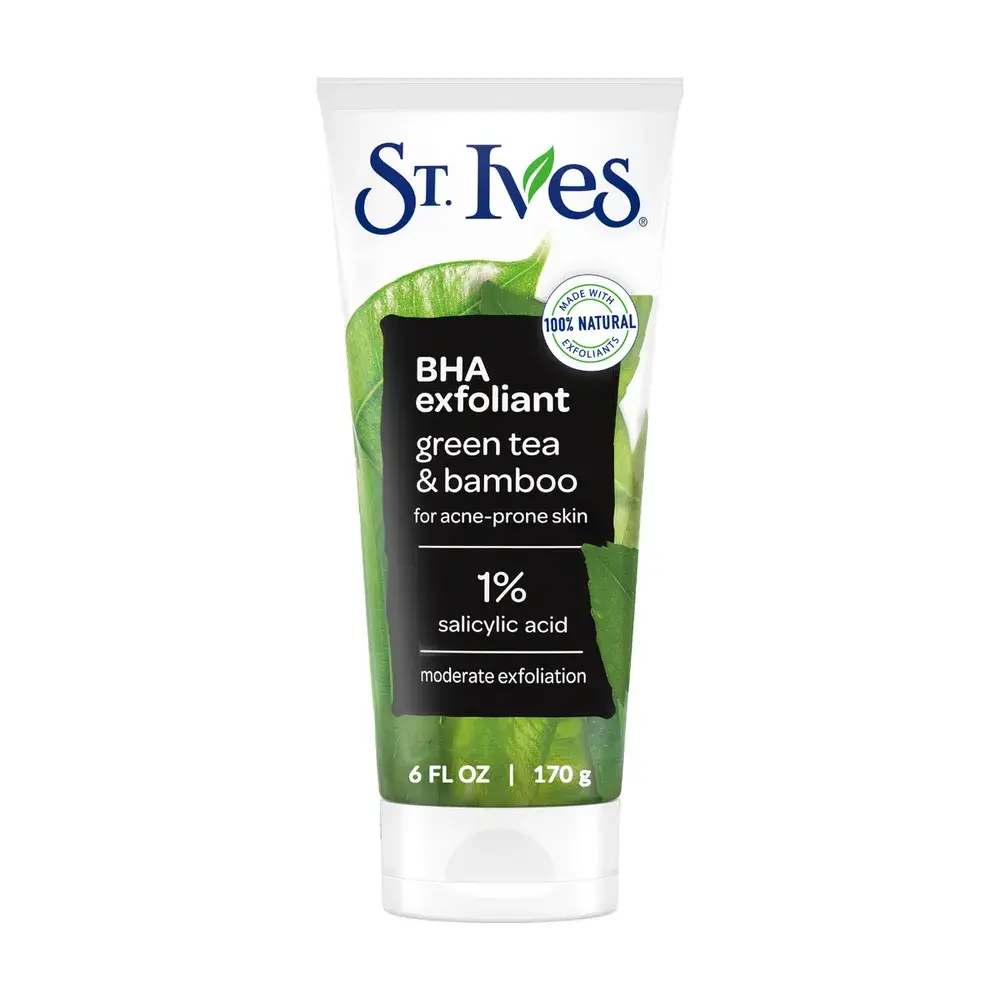
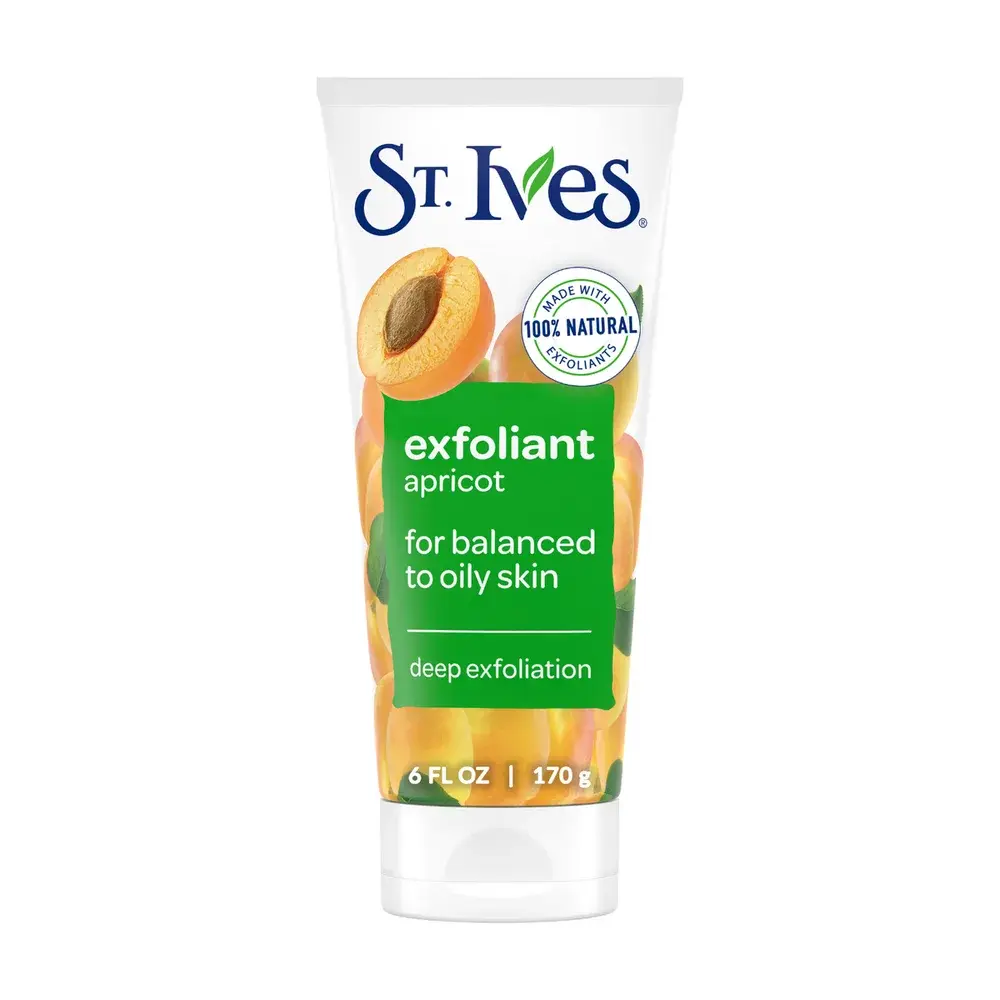
Salicylic acid is oil-soluble, so it clears inside the pore rather than just the surface. The BHA Exfoliant Apricot Face Scrub (Rs 920) and the Blackhead Clearing Green Tea & Bamboo scrub (Rs 910) both pair BHA with a physical scrub.
Sensitive or easily irritated skin
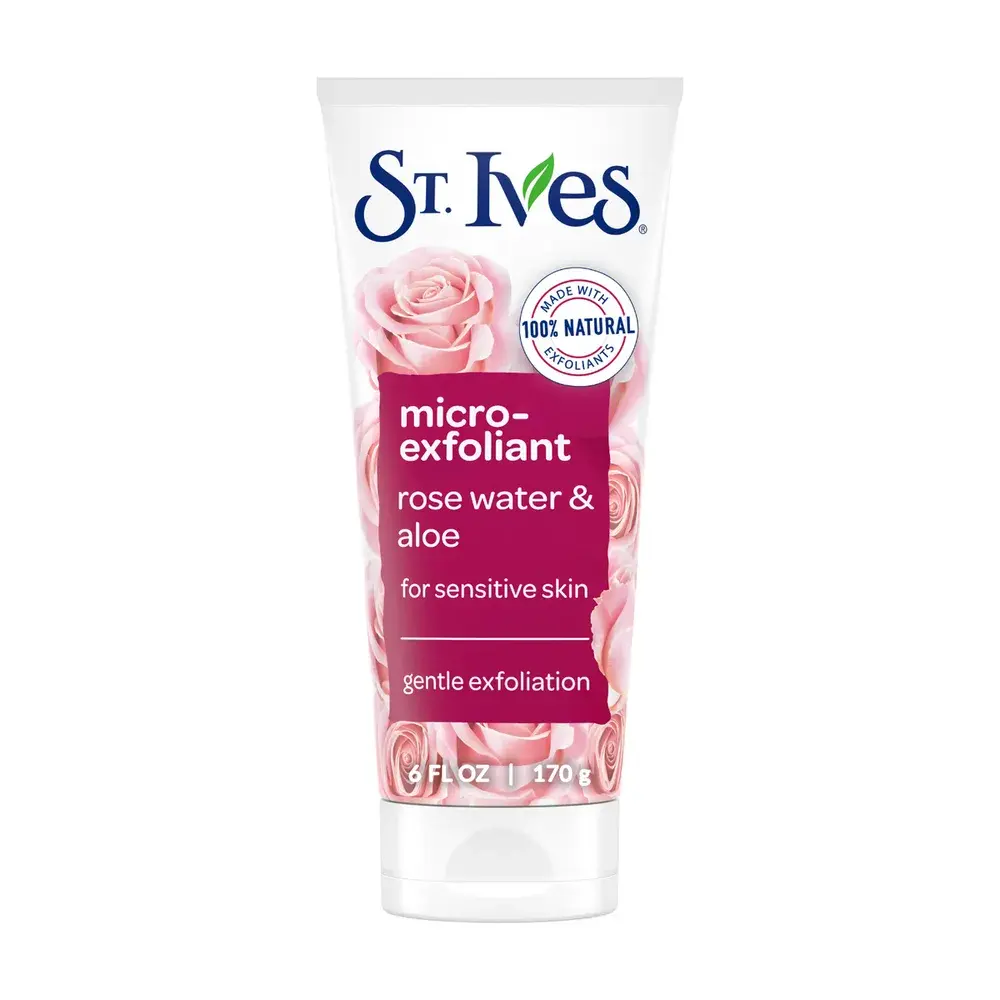
Go gentler and less often. The Rose & Aloe Face Scrub (Rs 910) has finer particles, and once a week is plenty.
Dull or dry skin
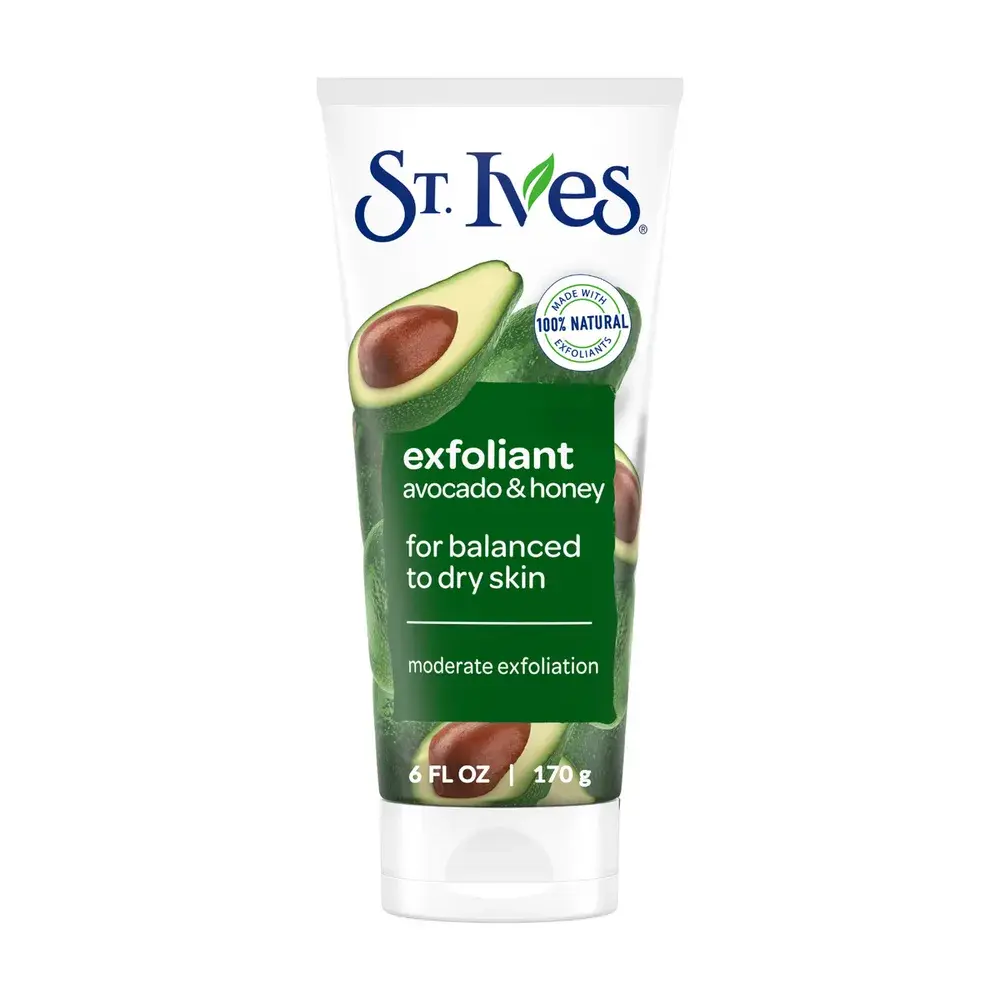
Soft Skin Avocado & Honey (Rs 950) is the more nourishing option when the problem is dullness rather than congestion.
The no-friction option
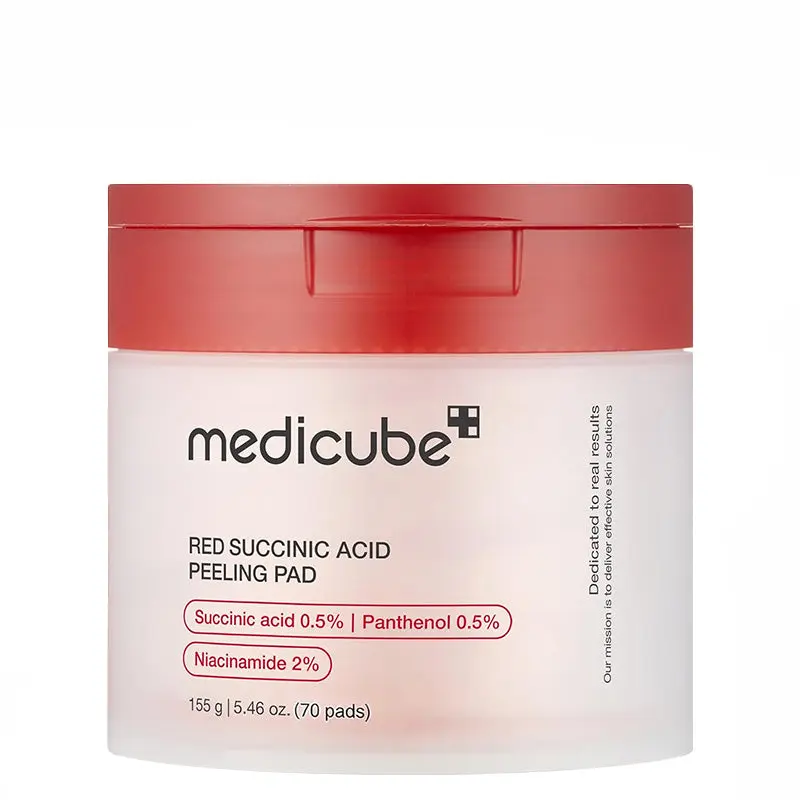
Medicube Red Succinic Acid Peeling Pads (Rs 4,500) do the job with acid on a pad, which suits skin that reacts badly to any scrubbing.
How often
Once or twice a week. Daily exfoliation is the single most common way people damage their barrier, and the result looks like sensitivity, redness and more oil, not smoother skin.
Face Scrubs & Exfoliators FAQs
How often should I exfoliate my face?
Once or twice a week for most skin. Daily exfoliation damages the barrier, and the tight, red, oilier skin that follows is often mistaken for a need to exfoliate more.
Is a face scrub bad for acne?
Scrubbing an active breakout can spread it and worsen inflammation. A salicylic acid product, or a gentle scrub used sparingly on unbroken skin, is the safer route.
Can I use a scrub and an acid serum together?
Not on the same day. Pick one. Using both is a fast way to a stinging, flaky barrier that then takes weeks to settle.
Should I exfoliate before or after cleansing?
After. Cleanse first so the scrub is working on clean skin, then follow with moisturiser, and sunscreen if it is daytime.