High Blood Pressure Diet: Foods to Eat & Avoid in Pakistan (2026 Guide)
A high blood pressure diet for Pakistani kitchens: foods to favour, the salt traps in local cooking, and simple DASH-style swaps that fit everyday meals.
According to the World Health Organization, nearly one in three adults worldwide lives with high blood pressure, and Pakistan's own National Nutrition Survey has flagged hypertension as a fast-growing problem in our cities. A high blood pressure diet is one of the simplest, most powerful tools you have to bring your numbers down. The good news is that you do not need to give up Pakistani food to do it. You just need to know which everyday ingredients are working against you, and which ones are on your side.
Why diet matters so much for blood pressure
Blood pressure is, in simple terms, a balance problem. Sodium pulls water into your blood vessels and pushes pressure up. Potassium helps your kidneys flush out extra sodium and relaxes vessel walls. When your diet is heavy in salt and light in potassium-rich foods, that balance tips the wrong way.
This is not just about avoiding the salt shaker. Processed foods, restaurant meals, and even some "healthy" snacks can carry hidden sodium. Over months and years, that steady load keeps blood pressure elevated, even in people who never add extra namak at the table.
Why Pakistani cuisine tends to be high in sodium
Our food culture has several built-in sodium traps. Recognising them is the first step to fixing them.
- Achaar (pickle): a small spoonful can carry several hundred milligrams of sodium, mostly from the salt used to preserve it.
- Papad and namkeen snacks: deep-fried and salted, these are easy to overeat without noticing the sodium add up.
- Bouillon cubes and ready-made masalas: a single cube can contain close to a full day's worth of sodium on its own.
- Restaurant and fast food: karahi, fried items, and fast food chains season generously for flavour, and portion control is hard to judge.
- Processed and cured meats: sausages, smoked items, and tinned products are salted heavily for shelf life.
None of these need to disappear completely. The goal is smaller portions, less frequency, and smarter swaps.
The DASH diet, adapted for Pakistani kitchens
The DASH diet (Dietary Approaches to Stop Hypertension) is one of the most studied eating patterns for lowering blood pressure. It is not a strict diet plan. It is a simple shift in proportions.
- More fruit and vegetables at every meal, fresh rather than tinned where possible.
- Dal and lentils as a regular protein source instead of fried meat dishes.
- Whole grains such as brown roti, daliya, and brown rice instead of refined white flour.
- Low-fat dairy such as plain yoghurt or lassi instead of cream-heavy dishes.
- Less fried food, less red meat, and fewer processed snacks overall.
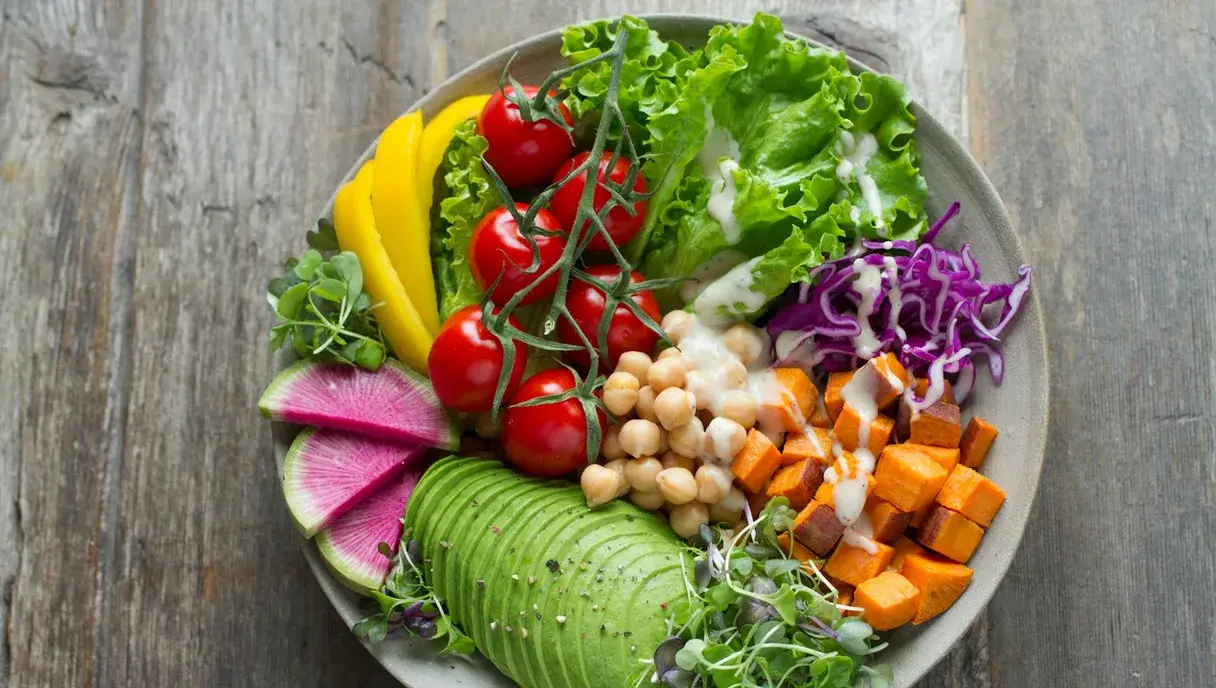
You can build a DASH-style plate from a normal Pakistani kitchen. Think sabzi, dal, salad, and a small portion of brown roti, rather than a plate dominated by fried items and naan.
Potassium-rich foods that help lower blood pressure
Potassium is the mineral that does the heavy lifting against sodium. Pakistani markets are full of affordable options.
- Bananas: an easy, cheap, year-round source of potassium.
- Spinach (palak) and other leafy greens: rich in potassium, magnesium, and fibre together.
- Potatoes (with the skin): surprisingly high in potassium when boiled or baked rather than fried.
- Oranges, melons, and dates: good fruit options that fit easily into a daily routine.
- Beans and lentils: daily dal is one of the most practical potassium sources in a Pakistani diet.
Foods high in magnesium and fibre, such as oats, almonds, and whole grains, support healthy blood vessels too. Together with potassium, they round out a heart-friendly plate.
Foods and habits to limit
A few changes make the biggest difference over time.
- Excess salt: taste your food before adding more namak, and cut back gradually so your palate adjusts.
- Trans fats and deep-fried food: samosas, pakoras, and fried fast food raise cardiovascular risk alongside blood pressure.
- Alcohol: where consumed, it raises blood pressure and interacts with some medications.
- Smoking: it does not raise blood pressure on its own in the long term, but it damages blood vessels and adds heart risk on top of hypertension.
Practical low-sodium cooking tips for Pakistani meals
Small kitchen habits add up to a real difference over weeks.
- Make your own masala blends at home so you control the salt, instead of relying on bouillon cubes.
- Use lemon juice, ginger, garlic, and fresh herbs like dhania and pudina to boost flavour without salt.
- Rinse tinned beans and vegetables before cooking to wash away added sodium.
- Cook dal and sabzi with less salt than usual, then add a small pinch at the table only if needed.
- Limit achaar and papad to an occasional treat rather than a daily side.
- Choose grilled, baked, or home-cooked options over fried takeaway when eating out.
Where supplements fit in
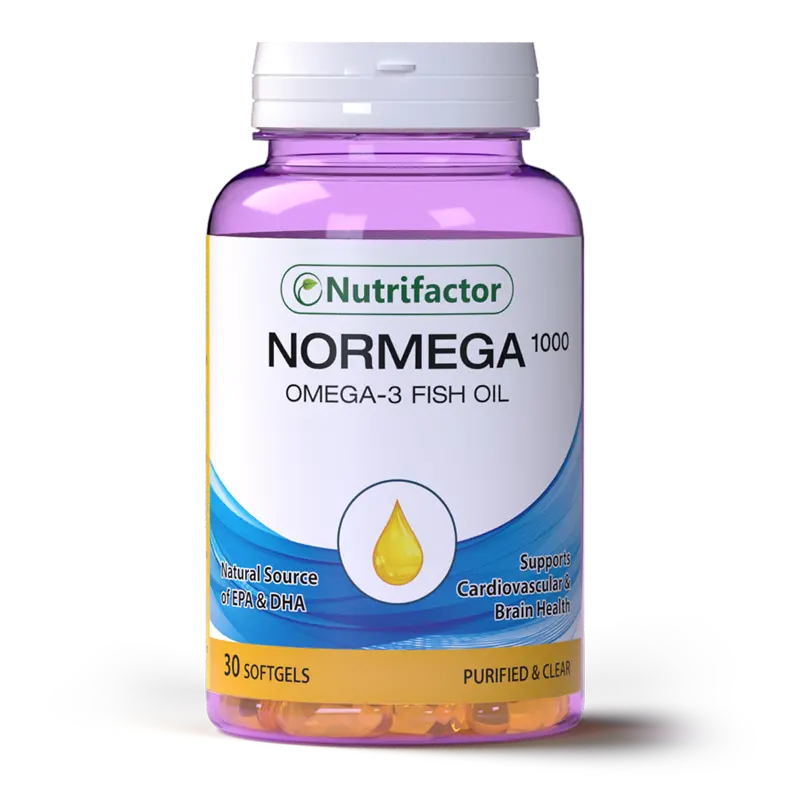
Diet should always come first. Some nutrients are harder to get enough of through food alone, especially if your diet is still adjusting. Nutrifactor Normega 1000 Omega-3 Fish Oil is widely used in Pakistan as general cardiovascular wellness support, alongside a balanced diet and any treatment your doctor has prescribed.
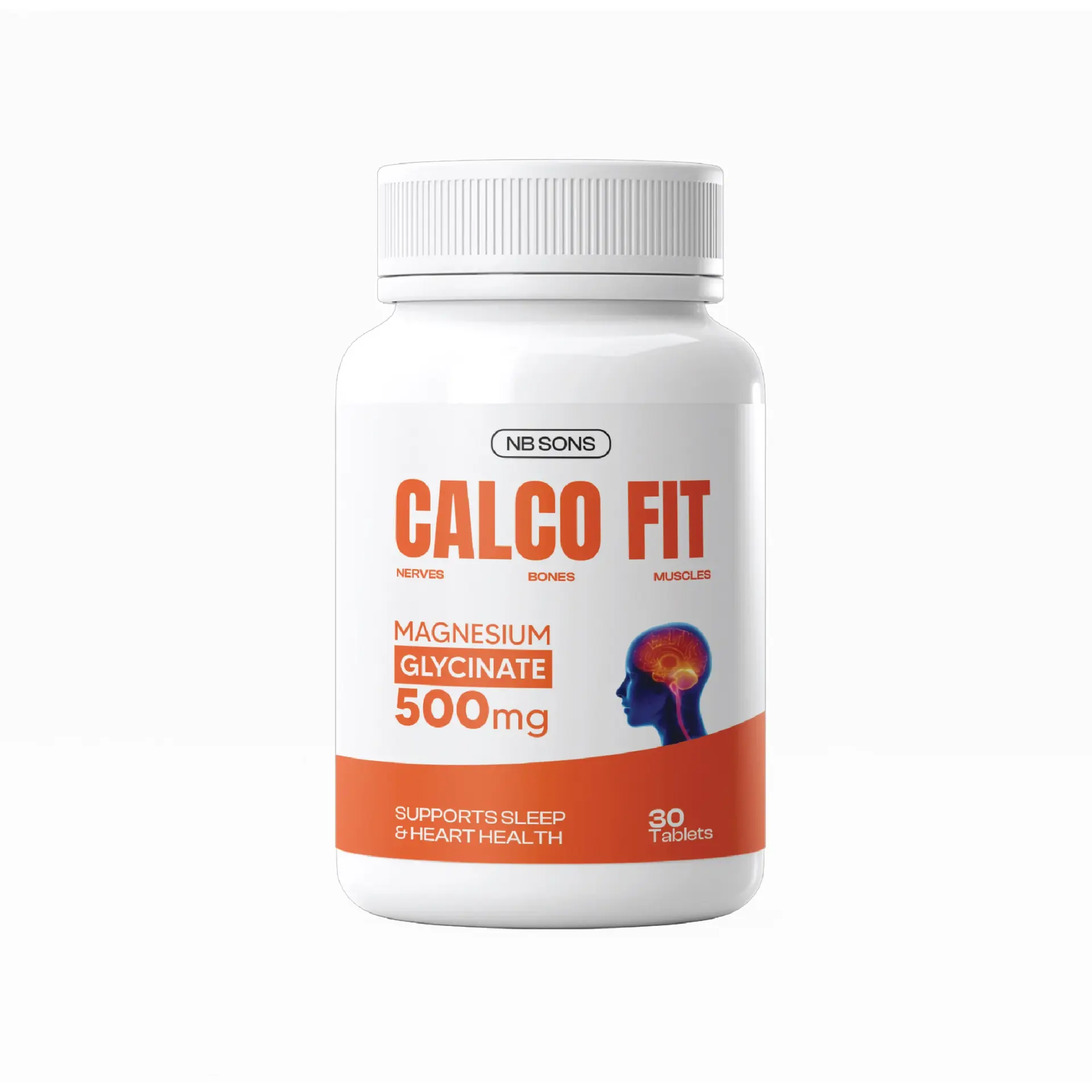
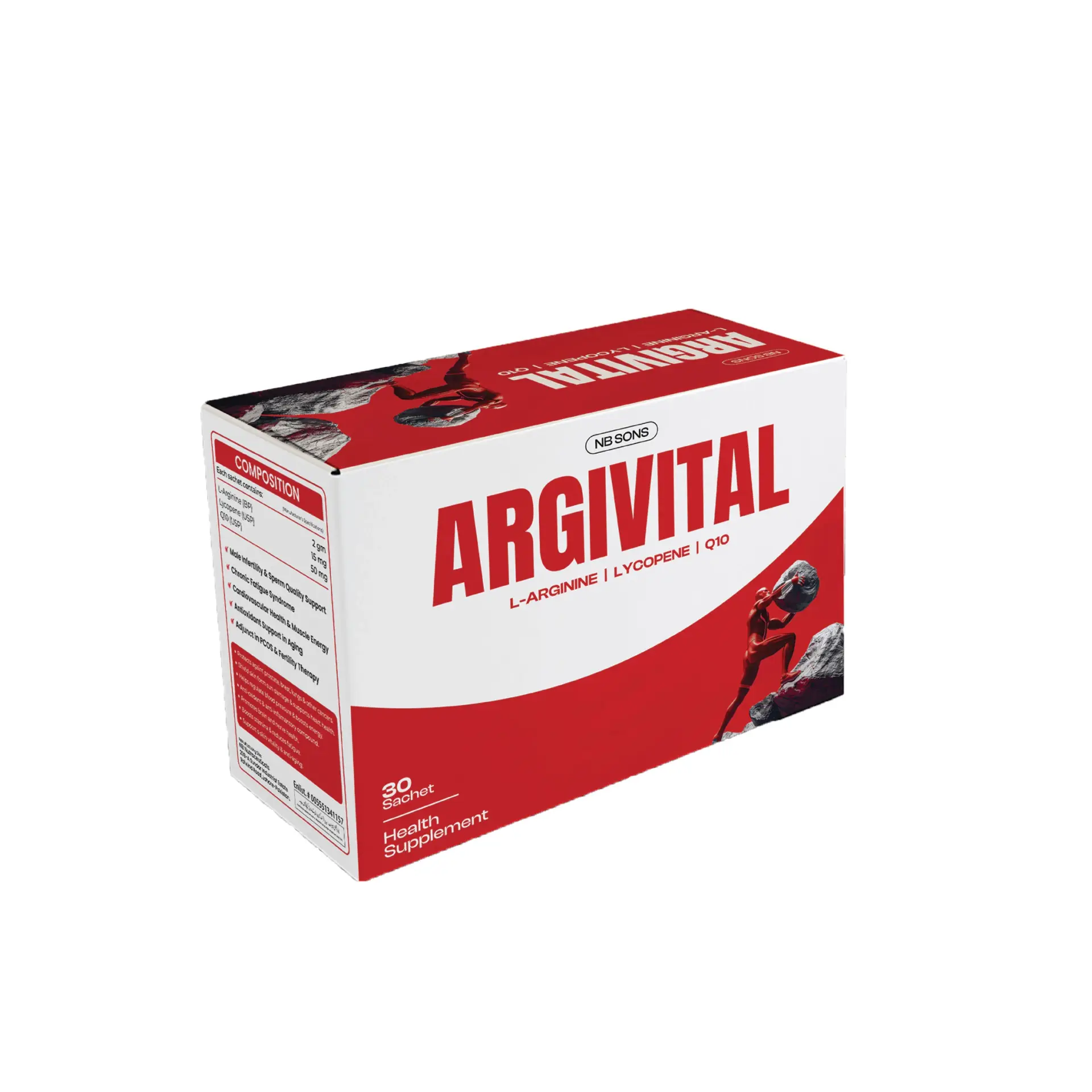
Magnesium plays a role in healthy blood vessel function too, and many people fall short of it through diet alone. Calco Fit Magnesium Glycinate 500mg is one option people use as part of a broader wellness routine. For general circulatory support, some people also look at Argivital Heart & Circulation Sachet.
These products are not treatments for high blood pressure and they do not replace prescribed medication. Think of them as support for an already heart-conscious lifestyle, not a shortcut around one.
Home monitoring versus when to see a doctor
A home blood pressure monitor is a useful tool. Many pharmacies in Pakistan sell reliable digital cuffs at a reasonable price, and checking your numbers a few times a week can show you whether diet changes are working.
However, home monitoring has limits. See a doctor promptly if your readings stay consistently at or above 140/90 mmHg, if you get sudden severe headaches, chest pain, blurred vision, or shortness of breath, or if your blood pressure swings unpredictably despite a consistent diet.
This article is informational support content, not a substitute for prescribed antihypertensive medication. Never stop, skip, or replace a blood pressure medicine with diet changes or supplements without talking to your doctor first. If you are already on treatment, diet works alongside your medication, not instead of it.
Building a realistic weekly routine
Change does not need to happen overnight. Start by swapping one processed snack a day for fruit or nuts. Add one extra vegetable side to lunch and dinner. Cut a pickle portion in half. Over a few weeks, these small shifts become habits, and habits are what actually move your blood pressure numbers over months, alongside any treatment your doctor recommends.
This article was written and medically reviewed to our medical review board standards and is for general guidance, not personal medical advice. Always speak to a doctor or pharmacist about your own situation.
For more on heart health, see our guides on managing high cholesterol through diet, CoQ10 for heart and energy, heart attack warning signs, and omega-3 fish oil benefits. For UK-backed dietary guidance, see the NHS page on high blood pressure and the NHS guide to lowering blood pressure. For more on the DASH approach, see the Mayo Clinic's DASH diet guide.
Shop Nutrifactor Normega 1000 Omega-3 Fish Oil →Frequently asked questions
Can diet alone control high blood pressure?
For some people with mildly raised readings, diet and lifestyle changes can make a real difference. For others, especially with moderate to severe hypertension, diet works best alongside prescribed medication. Always follow your doctor's plan.
How much salt is safe per day in Pakistan's hot climate?
Most health bodies, including the NHS, recommend staying under about 5 to 6 grams of salt a day for adults. Hot weather increases fluid needs, but it does not mean you need more salt, so focus on hydration with water rather than salty snacks.
Is achaar completely off-limits?
No. A small amount occasionally is fine for most people. The problem is daily, generous portions, which add up to a large amount of hidden sodium over a week.
Are bananas safe if I am on blood pressure medication?
For most people, yes, bananas are a healthy potassium source. However, some blood pressure medicines, such as certain ACE inhibitors, can raise potassium levels in the blood. Ask your doctor or pharmacist if your specific medication has any potassium-related precautions.
Does the DASH diet require special imported ingredients?
No. The DASH diet pattern can be built almost entirely from foods already common in Pakistani kitchens, such as dal, sabzi, fruit, yoghurt, and whole grains. It is about proportions, not imported products.
Can magnesium supplements replace blood pressure medication?
No. Magnesium may support healthy blood vessel function as part of a balanced diet, but it is not a proven replacement for prescribed antihypertensive medication. Never stop a prescribed medicine without speaking to your doctor.
How long does it take to see results from diet changes?
Some people notice changes in readings within a few weeks of consistent low-sodium, high-potassium eating. Sustainable results usually build over 2 to 3 months. Keep monitoring and keep your doctor updated.
Liked this one? Get the next in your inbox.
One fortnightly note from the editors, new pieces, restocks, and the routines we're actually using. Unsubscribe any time.