Heart Attack Warning Signs: Early Symptoms in Men & Women (Pakistan Guide 2026)
Heart attack warning signs in men and women, including silent symptoms, the risk factors common in Pakistan, and what to do in an emergency.
According to the World Health Organization, cardiovascular disease is one of the leading causes of death worldwide, and South Asian populations, including Pakistan, are thought to carry a particularly high burden at relatively younger ages. Recognising heart attack symptoms early, and acting on them immediately, can be the difference between life and death. This guide explains the warning signs in plain language, for awareness only, so your family knows what to do in an emergency.
If you or someone near you has sudden chest pain or other symptoms described below, do not wait. Call 1122 or get to the nearest emergency room immediately. This article is for general education. It cannot replace emergency medical care.
Why heart attack symptoms matter in Pakistan
Heart disease is rising across Pakistan. Doctors increasingly see heart attacks in people in their thirties and forties, not just the elderly.
Diets high in salt and fried food, rising diabetes rates, and sedentary urban lifestyles all play a part. Knowing the warning signs is one of the simplest ways to protect your family.
Classic heart attack symptoms
The classic heart attack symptoms are the ones most people picture. They can come on suddenly or build up over several minutes.
- Chest pain or pressure, often described as tightness, heaviness, or squeezing in the centre or left side of the chest
- Pain that spreads to the arm, jaw, neck, or back
- Shortness of breath, with or without chest pain
- Cold sweat, sometimes with clammy skin
- Nausea or vomiting
- Sudden dizziness or light-headedness
- A feeling of severe anxiety, like something is seriously wrong
These symptoms can last minutes, ease off, then return. Do not wait to see if they pass on their own. Treat any combination as a medical emergency.
Heart attack symptoms in women
Heart attack symptoms in women can look different from the textbook picture. This is a major reason women's heart attacks are sometimes missed or diagnosed late.
Women are more likely than men to have symptoms without obvious chest pain. Reported patterns include unusual fatigue, jaw or back pain, nausea, breathlessness, and a vague pressure rather than sharp pain.
Because these signs are subtler, women sometimes delay seeking help. If something feels wrong in your chest, back, jaw, or breathing, treat it seriously and seek emergency care.
Silent heart attack symptoms
A silent heart attack happens with mild or barely noticeable symptoms. Some people do not realise a heart attack occurred until a doctor finds evidence later, often on an ECG done for another reason.
Silent heart attack symptoms can include mild discomfort mistaken for indigestion, unusual tiredness, mild breathlessness during normal activity, or brief chest discomfort that passes quickly.
Silent heart attacks are still dangerous. They damage heart muscle just like a more obvious one. Anyone with risk factors, described below, should get regular check ups so problems are not missed.
Chest pain causes: when is it the heart?
Not all chest pain means a heart attack. Acidity, muscle strain, anxiety, and gas can all cause chest discomfort.
You cannot safely tell the difference yourself in the moment. Chest pain that is new, severe, comes with sweating or breathlessness, or radiates to the arm or jaw, should always be treated as a possible heart attack until checked by a doctor.
If in doubt, get checked. A false alarm at the emergency room is always safer than ignoring a real one at home.
Risk factors common in Pakistan
Several risk factors for heart disease are common in Pakistan. Knowing yours helps you and your doctor plan prevention.
- Diabetes and high blood sugar, which are widespread across the country
- High blood pressure, often undiagnosed for years
- Smoking, including cigarettes and other tobacco products
- A diet high in salt, fried food, and refined carbohydrates
- Family history of early heart disease
- Sedentary lifestyle, with little regular physical activity
- High cholesterol, again often undiagnosed without testing
These factors overlap and multiply each other's risk. A person with diabetes who also smokes and has high blood pressure carries far higher risk than any single factor alone.
What to do immediately if you suspect a heart attack
This is the most important section of this article. Acting fast saves heart muscle and saves lives.
- Call 1122 immediately, or get to the nearest emergency room as fast as possible
- Do not drive yourself. Have someone else drive you, or wait for an ambulance
- Sit down, stay as calm as possible, and loosen tight clothing
- Only chew aspirin if a doctor has already told you to do this for your own situation. Do not take aspirin on your own judgement during a suspected heart attack, since it is not safe for everyone
- If the person becomes unresponsive and is not breathing normally, the emergency operator can guide you through CPR until help arrives
Every minute matters. Do not wait to see if symptoms improve, and do not drive yourself to hospital.
Long-term heart health: lifestyle steps that lower your risk
Once an emergency has been ruled out or treated, long-term prevention becomes the focus. None of the steps below replace emergency care during a heart attack. They lower your risk over months and years.
- Eat more vegetables, fruit, and fibre, and cut back on salt and fried food
- Build regular movement into your week, even brisk walking helps
- Quit smoking. This is one of the single biggest improvements you can make
- Get blood pressure and cholesterol checked regularly, especially after age 40 or with a family history
- Manage blood sugar carefully if you have diabetes or prediabetes
- Prioritise sleep and manage chronic stress where you can
For a deeper look at managing cholesterol through diet, see our guide to cholesterol-friendly diet and supplements in Pakistan.
Where supplements may fit, under medical guidance only
Supplements are never a treatment for a heart attack and never a substitute for emergency care or prescribed medication. They sit far outside the emergency picture described above. Used only as part of a long-term, doctor-guided plan, some supplements are linked to general cardiovascular wellness support.
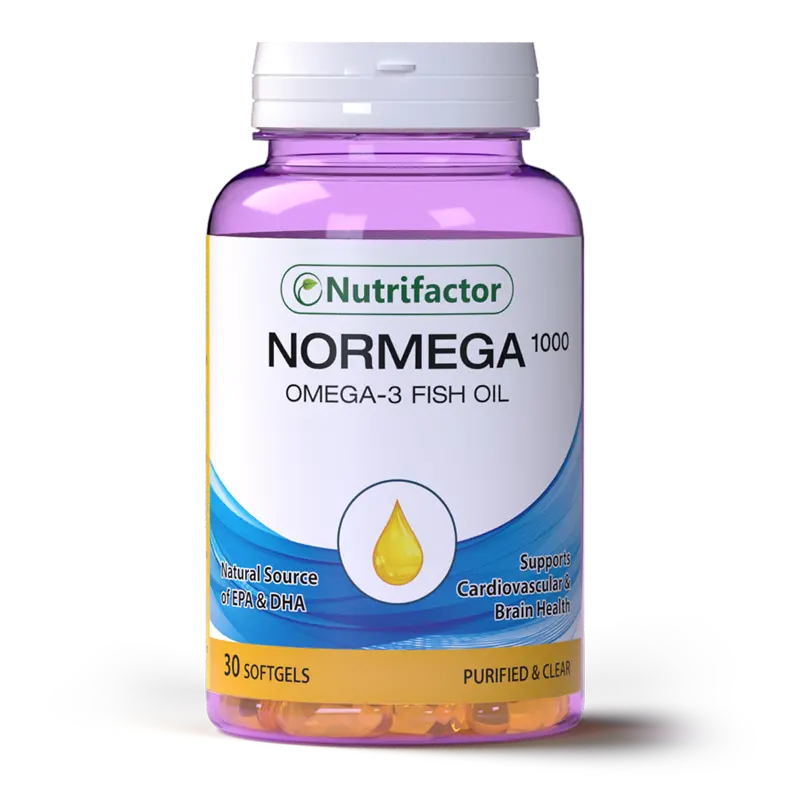
Omega-3 fatty acids from fish oil are associated with healthy triglyceride levels as part of an overall heart-healthy diet. Many people in Pakistan top up their intake with a quality supplement such as Nutrifactor Normega 1000 Omega-3 Fish Oil. Read more in our article on omega-3 fish oil benefits in Pakistan.
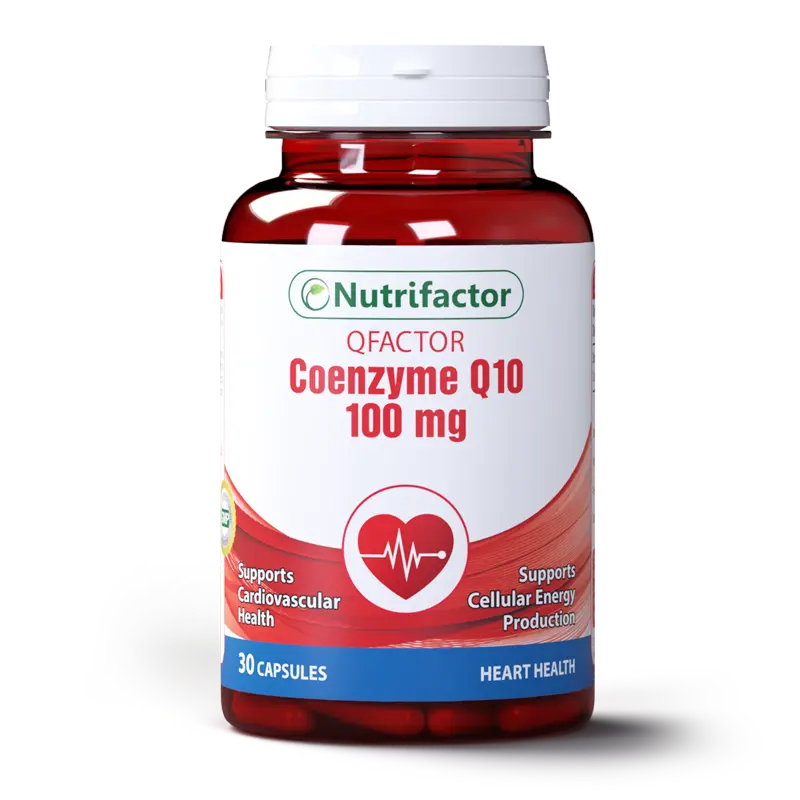
Coenzyme Q10 supports cellular energy production, including in heart muscle cells. Levels can decline with age or with certain cholesterol medicines. Some people discuss a supplement like Nutrifactor Qfactor CoQ10 100mg with their doctor. Our guide on CoQ10 benefits for heart energy covers this in more detail.
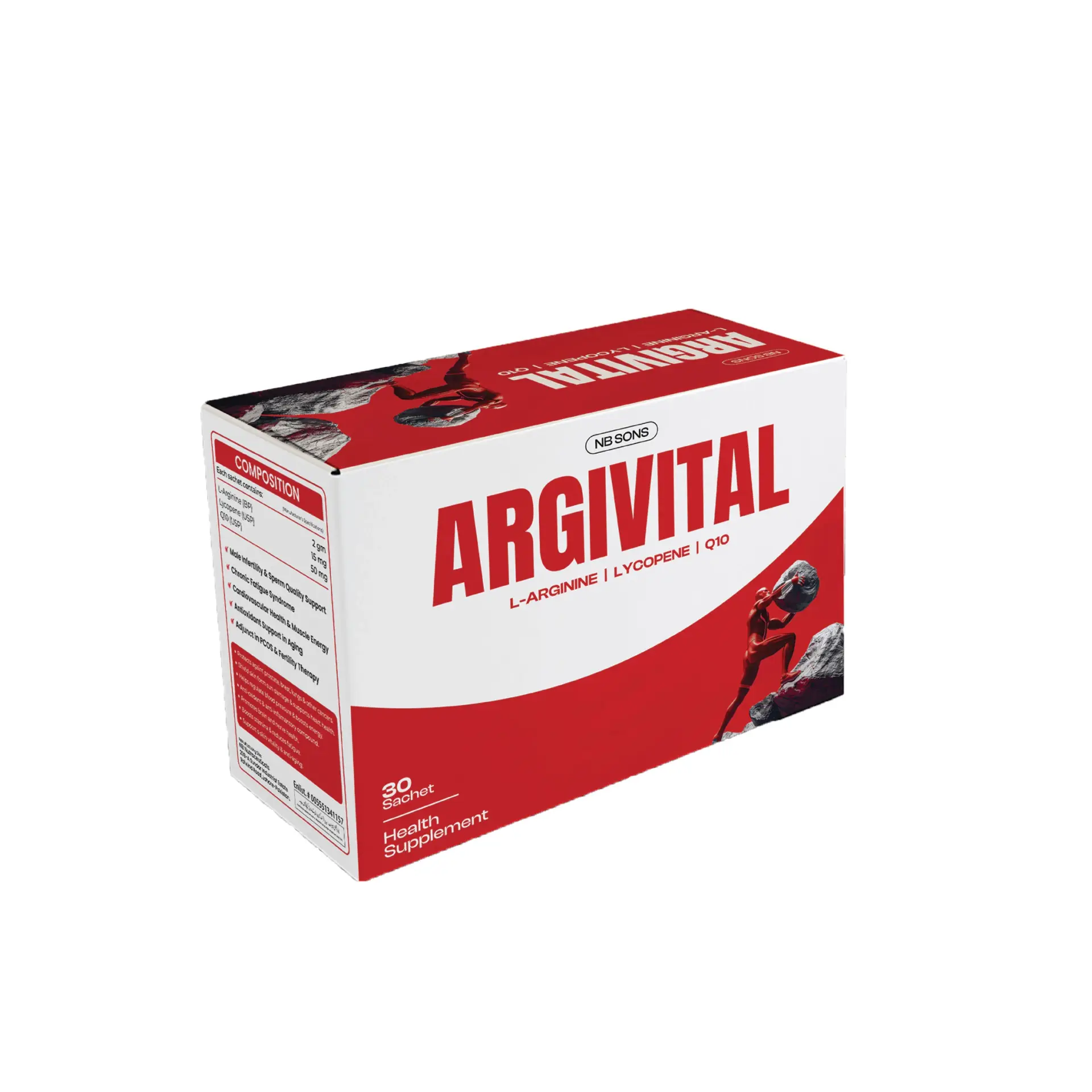
Some formulations combine amino acids and nutrients traditionally associated with circulation support, such as Argivital Heart & Circulation Sachet. As with any supplement, use it alongside, never instead of, medical advice and prescribed treatment.
Always tell your doctor about any supplement you take, especially with heart disease, blood thinners, or blood pressure medication. Some supplements can interact with these.
When to see a doctor, even without an emergency
You do not need severe symptoms to see a doctor about your heart. Book an appointment if you have ongoing risk factors, family history, or mild symptoms that worry you.
Regular blood pressure, blood sugar, and cholesterol checks are simple and widely available in Pakistan, at hospitals, clinics, and pharmacies. Early detection gives you time to act before a crisis happens.
This article was written and medically reviewed to our medical review board standards and is for general guidance, not personal medical advice. Always speak to a doctor or pharmacist about your own situation.
Shop Nutrifactor Normega 1000 Omega-3 Fish Oil →
For trusted external information, see the NHS guide to heart attack symptoms, the Mayo Clinic overview of heart attacks, and the WHO fact sheet on cardiovascular diseases.
Frequently asked questions
What are the first warning signs of a heart attack?
Early heart attack symptoms often include chest pressure or pain, shortness of breath, cold sweat, nausea, and pain spreading to the arm, jaw, or back. Symptoms can start mild and worsen quickly, so treat any combination of these as an emergency.
Can you have a heart attack without chest pain?
Yes. This is more common in women and in silent heart attacks. Symptoms may instead include unusual fatigue, breathlessness, nausea, or jaw and back discomfort, without obvious chest pain.
What number should I call in a heart attack emergency in Pakistan?
Call 1122, Pakistan's emergency rescue service, or get to the nearest emergency room immediately. Do not drive yourself if you are the one having symptoms.
Should I take aspirin during a suspected heart attack?
Only if a doctor has already advised you to do this for your own situation. Aspirin is not safe for everyone, so do not take it on your own judgement. Focus on calling 1122 and getting emergency help.
Can supplements prevent or treat a heart attack?
No. Supplements such as omega-3 or CoQ10 are not treatments and cannot prevent a heart attack. They may offer general, long-term wellness support under a doctor's guidance, alongside lifestyle changes and prescribed medication, never as a replacement for emergency care.
What heart disease risk factors are most common in Pakistan?
Diabetes, high blood pressure, smoking, a diet high in salt and fried food, sedentary lifestyles, and family history are common contributors. Many people carry several at once, which raises risk further.
At what age should I start getting my heart checked?
Many doctors recommend regular blood pressure and cholesterol checks from age 40, or earlier with diabetes, family history, or other risk factors. Ask your doctor what schedule suits you.
Liked this one? Get the next in your inbox.
One fortnightly note from the editors, new pieces, restocks, and the routines we're actually using. Unsubscribe any time.