High Cholesterol in Pakistan: Diet, Lifestyle & Supplements That Help (2026)
High cholesterol is common in Pakistan. LDL vs HDL, the diet changes that lower it, where omega-3, fibre and CoQ10 help, and when to get a lipid profile.
According to the World Health Organization, raised cholesterol is a major cause of heart disease and stroke across the globe. In Pakistan, high cholesterol is rising fast. Rich diets, fried food, and busy lifestyles all play a part. The good news is that cholesterol kam karne ka tarika is mostly about daily habits. This guide explains LDL and HDL in plain words. It also shows where supplements truly help, and where they do not.
What is cholesterol?
Cholesterol is a waxy fat in your blood. Your body needs some to work well. It helps build cells and hormones.
Problems start when levels climb too high. Excess cholesterol can build up in your arteries. Over years this narrows them and raises heart risk.
LDL vs HDL: the good and the bad
Not all cholesterol is the same. A lipid profile splits it into types. Knowing them helps you read your report.
| Type | Nickname | What it does |
|---|---|---|
| LDL | "Bad" cholesterol | Carries cholesterol to the arteries. High LDL raises heart risk. |
| HDL | "Good" cholesterol | Carries cholesterol away from arteries. Higher HDL is protective. |
| Triglycerides | Blood fat | A separate blood fat. High levels also raise risk, often with low HDL. |
The aim is simple. Lower your LDL and triglycerides. Keep your HDL healthy.
Why cholesterol runs high in Pakistan
Our diet is a big driver. Many favourite foods are rich in the wrong fats.
- Heavy use of ghee and oil in cooking.
- Fried snacks like samosas, pakoras, and parathas.
- Rich, creamy curries and frequent red meat.
- Sweets and bakery items high in trans and saturated fat.
- Low intake of fibre, vegetables, and fish.
Genetics also matter. Some families carry high cholesterol regardless of diet. This is called familial hypercholesterolaemia. It needs medical care, not just food changes.
Why high cholesterol is risky
High cholesterol has no symptoms. You cannot feel it. That is what makes it dangerous.
Over time it narrows the arteries. This can lead to heart attacks and strokes. South Asians face heart disease at younger ages than many other groups. That makes early action vital.
Diet fixes that lower cholesterol
Food is your strongest tool. Small swaps add up over months. Focus on these changes:
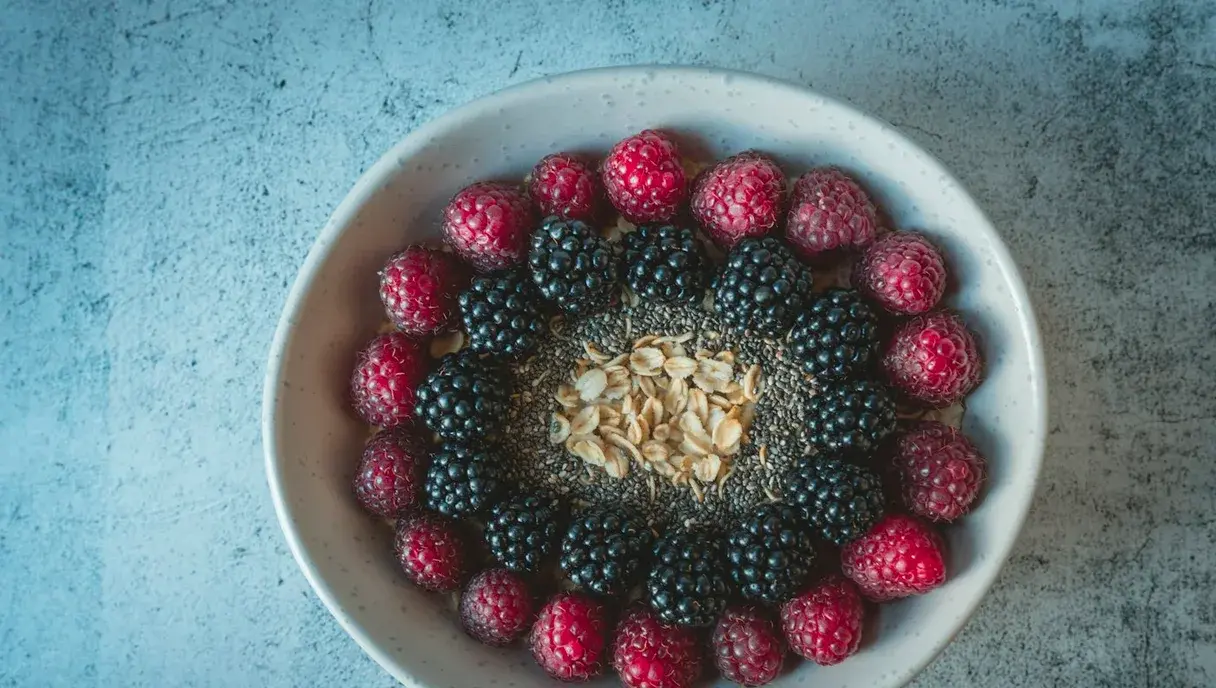
- Eat more soluble fibre: oats, beans, lentils (daal), apples, and guava.
- Add omega-3 foods like fish, walnuts, and seeds.
- Cut trans fats from fried and bakery foods.
- Reduce saturated fat: use less ghee and trim fatty meat.
- Fill half your plate with vegetables and fruit.
- Swap white flour and rice for whole grains where you can.
Soluble fibre is a quiet hero. It binds cholesterol in the gut and helps remove it. The NHS on high cholesterol and Mayo Clinic both highlight diet first.
Lifestyle: movement, weight, and smoking
Habits beyond food matter just as much. Three changes give the biggest reward.
Movement raises your good HDL cholesterol. Aim for brisk walking most days. Even thirty minutes helps.
Losing extra weight lowers LDL and triglycerides. You do not need a dramatic drop. A modest, steady loss helps.
Quitting smoking improves HDL and protects your arteries. Combined with diet, these steps can shift your numbers. If bloating or gut issues hold back your fibre intake, see our guide on reducing bloating and gut health.
Where supplements genuinely help
Supplements can support your plan. They work best alongside diet, not instead of it. Here is where the evidence is strongest.
Omega-3 fish oil
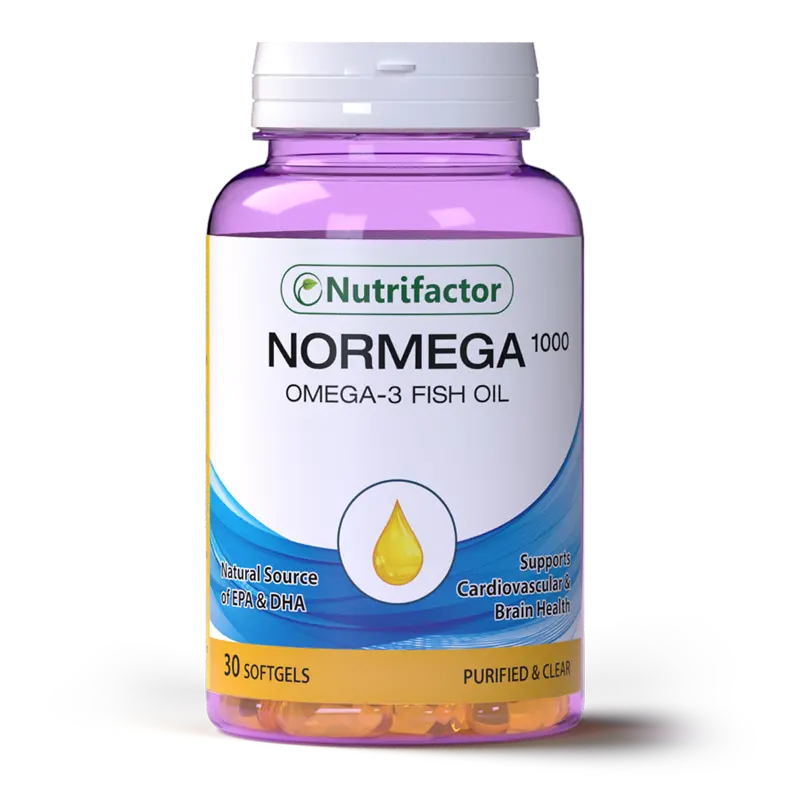
Omega-3 is best known for lowering triglycerides. It also supports overall heart health. Normega Omega-3 (Rs 1,580) is a convenient daily source, useful if you rarely eat oily fish. The NIH Office of Dietary Supplements reviews omega-3 in detail.
Soluble fibre
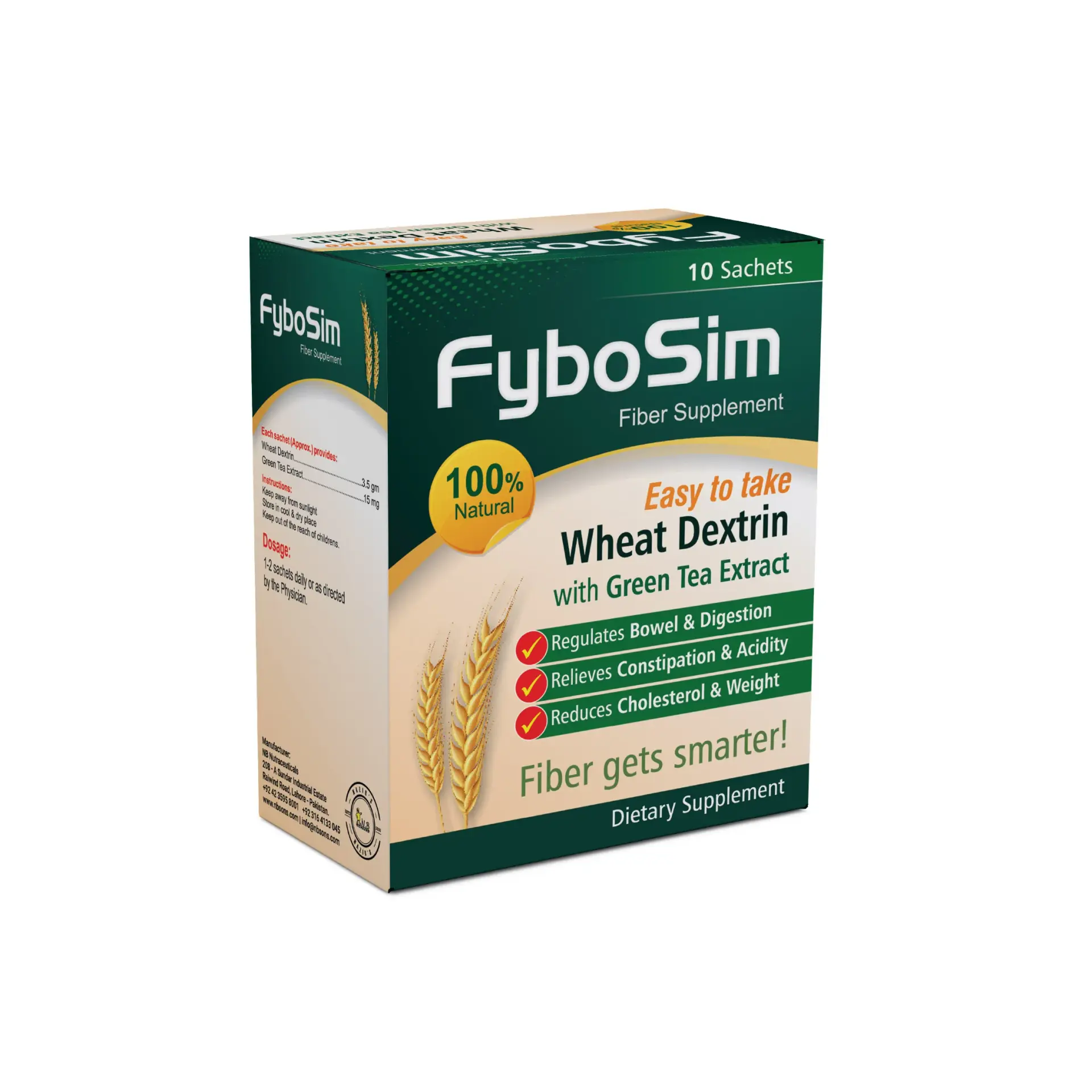
Fibre helps remove cholesterol through the gut. Most of us fall short of daily targets. Fybosim fibre (Rs 390) is an easy, low-cost way to top up.
CoQ10, especially for statin users
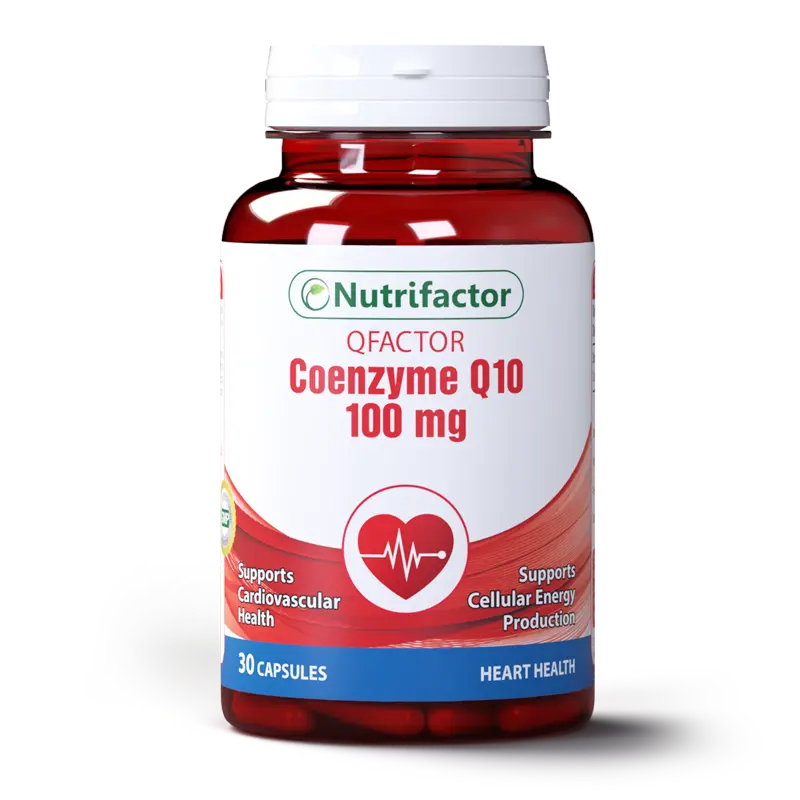
Statins are common cholesterol medicines. Some people on statins report muscle aches. CoQ10 is often used to support muscle comfort in these cases. Qfactor CoQ10 (Rs 2,210) is a popular choice. Always tell your doctor what you take.
Moringa
Moringa is a nutrient-rich local plant. It adds antioxidants and fibre to your day. Morr moringa (Rs 990) can complement a heart-healthy diet.
For deeper reading, see our guides on omega-3 fish oil benefits and CoQ10 for heart and energy.
What NOT to expect from supplements
Be realistic about what supplements can do. They support good habits. They do not replace medicine.
If your doctor prescribes a statin, take it as directed. Supplements are not statin replacements. Stopping prescribed medicine can be dangerous.
No pill cancels out a poor diet. Think of supplements as a helpful add-on. The foundation is always food, movement, and weight control.
A simple heart-healthy day in Pakistan
Good habits are easier when they fit local life. Here is one realistic example.
- Breakfast: a bowl of oats or an egg with whole wheat roti, not fried paratha.
- Lunch: daal or beans, plenty of vegetables, and a small portion of rice.
- Snack: fruit such as apple or guava, or a small handful of walnuts.
- Dinner: grilled or baked fish or chicken, with salad and vegetables.
- Movement: a brisk thirty minute walk after a meal.
You do not need perfection. Steady, sensible choices most days are what count.
When to see a doctor and get a lipid profile
You cannot guess your cholesterol. A simple blood test, the lipid profile, gives the answer. It is widely available in Pakistan and affordable.
Consider a test if you:
- Are over forty, or younger with a family history.
- Have diabetes, high blood pressure, or extra weight.
- Have a parent or sibling with early heart disease.
- Have never had your cholesterol checked.
Your doctor reads the full picture, not one number alone. They weigh your age, weight, blood pressure, and history. The Cleveland Clinic explains how this risk is judged. Get urgent care for chest pain, breathlessness, or stroke signs.
Read next: Lipid Profile Test Price in Pakistan and How to Read Your Report.
This article was written and medically reviewed to our medical review board standards and is for general guidance, not personal medical advice. Always speak to a doctor or pharmacist about your own situation.
Shop Normega Omega-3 →Frequently asked questions
What is the fastest way to lower cholesterol?
There is no instant fix. Cutting trans and saturated fat, adding soluble fibre, and moving daily can shift numbers within weeks to months. Medicine works faster when a doctor advises it.
Can omega-3 lower cholesterol?
Omega-3 mainly lowers triglycerides and supports heart health. It is not a strong LDL-lowering agent on its own. Use it alongside diet and lifestyle changes.
Do I still need a statin if I take supplements?
Possibly yes. Supplements do not replace statins. If your doctor prescribes one, keep taking it and discuss any supplements with them.
Is ghee bad for cholesterol?
Ghee is high in saturated fat. Large amounts can raise LDL. Use it sparingly and favour lighter cooking methods.
Why should I take CoQ10 with a statin?
Some statin users get muscle aches. CoQ10 is often used to support muscle comfort. It is not essential for everyone, so ask your doctor first.
How often should I check my cholesterol?
Many adults check every few years, or more often with risk factors. Your doctor will set the right interval for you.
Liked this one? Get the next in your inbox.
One fortnightly note from the editors, new pieces, restocks, and the routines we're actually using. Unsubscribe any time.