Lip Balm: Benefits, How to Choose & Chapped Lip Fixes (Pakistan 2026)
How to choose a lip balm that actually seals in moisture, why lips dry out in Pakistan's heat, AC and winter, and when cracked lips need a doctor.
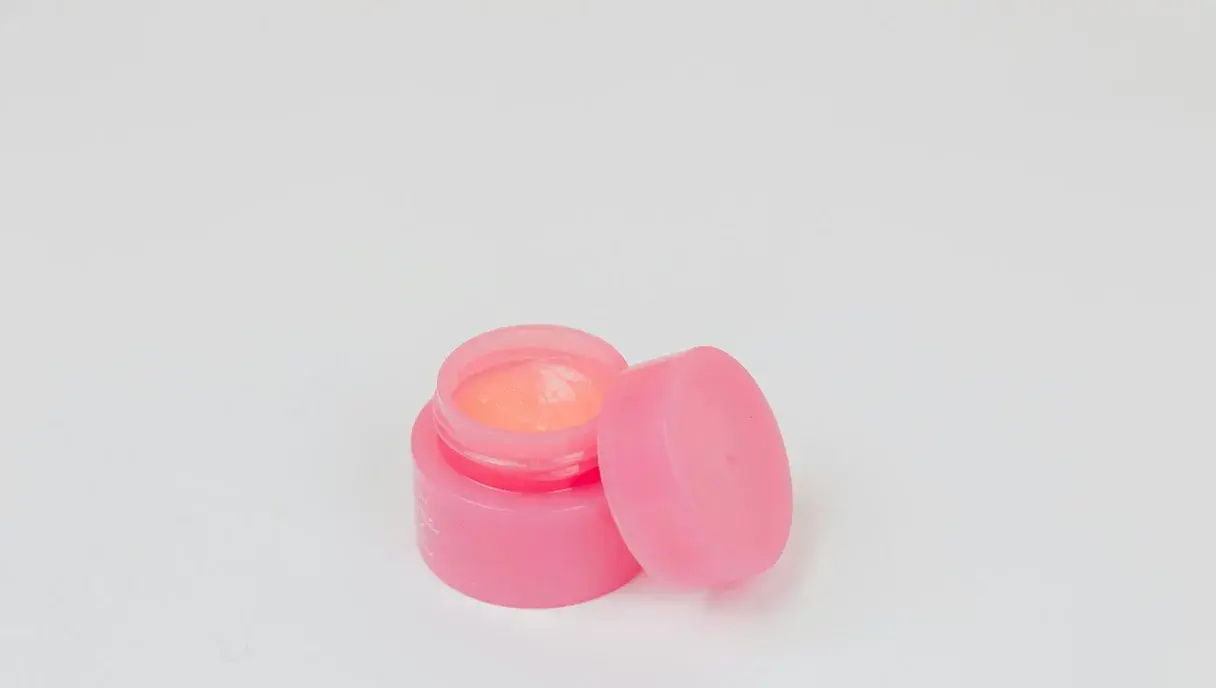
Did you know your lips have no oil glands of their own? That is why they dry out faster than almost any other skin on your body. If you are searching for a good lip balm in Pakistan because your lips keep cracking, peeling, or stinging, you are not alone, and the fix is usually simpler than people think.
Why lips chap so easily in the first place
The skin on your lips is thin. It has no oil glands and very few melanin cells to protect it. This means it loses moisture far faster than the skin on your cheeks or hands.
In Pakistan, the problem gets worse with the seasons. Dry winter air in Islamabad, Murree, or Lahore strips moisture quickly. Long hours under air conditioning in Karachi offices does the same in a different way.
Summer sun exposure adds another layer of stress. UV rays damage the thin lip skin and speed up moisture loss, which is one reason dermatologists recommend SPF on lips, not just on your face.
Licking your lips feels like it helps. It does not. Saliva evaporates fast and takes existing moisture with it, leaving lips drier than before you licked them. This becomes a habit loop that is hard to break without a plan.
What actually makes a good lip balm
Not all lip balms work the same way. Some genuinely seal in moisture. Others feel nice for ten minutes, then leave your lips drier than before.
Look for occlusive ingredients. These sit on top of the skin and form a barrier that stops water from escaping. The most reliable ones are:
- Petrolatum (petroleum jelly), the gold standard occlusive recommended by dermatologists
- Beeswax, which forms a protective seal and adds a light natural texture
- Shea butter, which is occlusive and also carries fatty acids that support the skin barrier
- Ceramides, which help rebuild the lips' own natural barrier over time
Balms built on these ingredients are different from balms that rely mostly on menthol, camphor, or a strong "cooling" sensation. Those can feel refreshing in the moment, but they often irritate the thin lip skin and do not seal moisture in the same way.
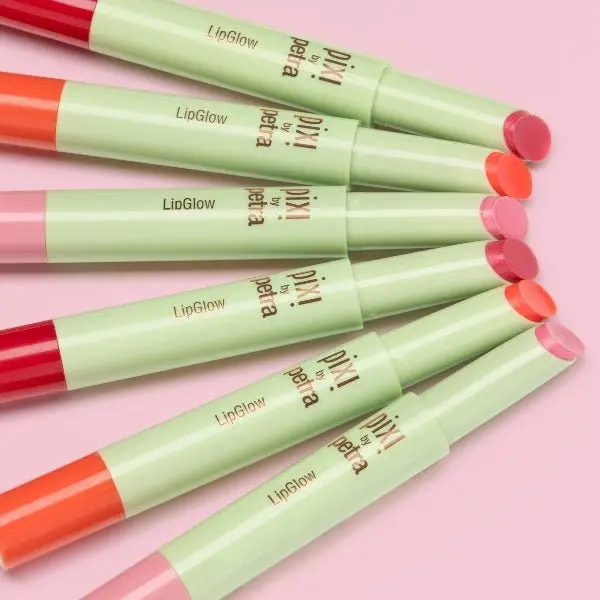
Pick a balm built around this occlusive, barrier-first approach rather than a short-lived cooling gimmick, and keep one in your bag, at your desk and on your nightstand, so there is always one within reach when your lips start to feel tight. If you like a hint of colour, the Pixi LipGlow Tinted Lip Balm is the balm we stock.
If you are shopping in daylight hours, consider whether your balm has SPF, or plan to layer a separate lip SPF underneath. Lips are one of the most commonly missed spots in sun protection routines.
Occlusive versus "feel-good" balms, at a glance
| Type of balm | How it works | Best for |
|---|---|---|
| Occlusive (petrolatum, beeswax, shea butter) | Forms a seal that locks existing moisture in | Daily use, chronic chapped lips, night time |
| Menthol or camphor cooling balms | Numbs and cools briefly, offers little lasting barrier | Occasional use only, avoid if lips are already cracked |
| Flavoured or fragranced balms | Pleasant taste or scent, but added chemicals can irritate | Not ideal for sensitive or already damaged lips |
| SPF lip balm | Occlusive base plus sun filters | Daytime, outdoor exposure, Pakistan's high UV months |
How to actually fix chronic chapped lips
If your lips are chapped most of the time, a random dab of balm here and there will not solve it. You need a small routine.
Stop the licking habit
This is the single biggest change most people need to make. Every time you lick your lips, you restart the drying cycle. Keep a balm within reach so you reach for that instead of your tongue.
Exfoliate gently, not aggressively
If you have flaky, peeling skin, a soft exfoliation once or twice a week can help balm absorb better. Use a damp soft cloth or a mild lip scrub. Never pick or bite at peeling skin, as this can tear the skin and lead to bleeding or infection.
Apply balm proactively, not reactively
Waiting until your lips already hurt means you are always playing catch up. Apply balm in the morning, after meals, and before you go outside, even on days your lips feel fine.
Use a thicker layer at night
Overnight is when your lips get the longest uninterrupted period to recover, since you are not eating, talking, or drinking. A slightly thicker layer of an occlusive balm before bed gives it time to work while you sleep.
Common mistakes that keep lips chapped
Many people treat chapped lips for months without improvement because of a few repeated mistakes.
- Choosing minty or menthol balms for the tingly sensation, which can trigger more licking and worsen dryness
- Picking heavily fragranced or flavoured balms, which look appealing but can irritate already sensitive, cracked skin
- Believing in "lip balm addiction", the idea that balm itself causes dependency. This is largely a myth. A poor-quality, irritating balm creates a cycle of brief relief followed by more dryness, which feels like dependency but is really an under-performing product
- Applying balm only when lips already hurt, instead of using it as daily prevention
- Ignoring SPF on lips during Pakistan's sunny months, which are most of the year in much of the country
If you want colour on top of hydrated lips
Hydration should always come first. Once your lips are in good condition, you can layer colour on top without it looking patchy or emphasising dryness.
If you like a soft wash of colour with a natural finish, our complete guide to lip tints in Pakistan covers long-lasting formulas that work well over a hydrated base. If you prefer definition and a fuller-looking lip shape, our guide to using lip liner explains technique in detail. Both work best when applied over lips that are already smooth and moisturised, not over flaking, chapped skin.
When persistent chapped lips need a doctor, not just more balm
Most chapped lips respond well to a good balm and a consistent routine within a week or two. Some signs need medical attention rather than more self-treatment.
Persistent cracking and soreness at the corners of the mouth, known as angular cheilitis, can signal an underlying issue. This includes a possible vitamin B12 or iron deficiency, worth checking with a simple blood test if the cracking will not heal. It can also signal a fungal or bacterial infection, particularly if the corners look red, moist, or crusted rather than simply dry.
See a doctor or pharmacist if you notice any of the following:
- Cracking at the corners of the mouth that does not improve after two to three weeks of balm use
- Bleeding, swelling, or visible sores rather than ordinary dryness
- Chapped lips alongside other symptoms such as fatigue, pale skin, or a sore tongue, which can point to a nutritional deficiency
- Lips that stay chapped no matter how often or how well you moisturise them
According to the NHS, vitamin B12 deficiency can present with mouth ulcers and a sore, sensitive mouth, so it is worth ruling out rather than assuming it is simply weather related. The Cleveland Clinic also notes that angular cheilitis often needs a targeted antifungal or antibacterial treatment rather than a moisturiser alone, so persistent cases genuinely need a professional opinion.
Building a simple daily lip care routine
You do not need a complicated routine to keep lips healthy in Pakistan's climate. Consistency matters more than product count.
- Morning: apply balm after your skincare routine, before makeup if you wear any
- Midday: reapply once, especially after eating, a hot drink, or time outdoors
- Evening: remove any lipstick or tint, then apply a thicker layer of balm before bed
- Weekly: gentle exfoliation if you notice flaking, followed immediately by balm
This routine costs very little: one tube of balm lasts weeks with regular use.
Lip care also works best alongside a proper moisturising routine for the rest of your face. If you have oily skin and skip moisturiser altogether, our guide to the best moisturiser for oily skin in Pakistan explains why that habit can backfire, much like skipping lip balm does.
This article was written and medically reviewed to our medical review board standards and is for general guidance, not personal medical advice. Always speak to a doctor or pharmacist about your own situation.
Shop lip care →Frequently asked questions
What is the best lip balm for chapped lips in Pakistan?
Look for an occlusive, fragrance-light formula built on ingredients like petrolatum, beeswax, or shea butter. These seal in moisture rather than offering a brief cooling sensation that wears off quickly.
Can lip balm actually make chapped lips worse?
Yes, if it contains menthol, camphor, strong fragrance, or flavouring that irritates the thin lip skin. These can create a cycle of short relief followed by more dryness, which feels like the balm is not working even though you are using it often.
Is lip balm addiction a real thing?
Not in the way it is often described. There is no evidence that lip balm itself causes physical dependency. What people usually experience is a poor-quality product that soothes briefly, then leaves lips drier, so they reach for it again and again. Switching to a genuinely occlusive balm usually breaks this cycle.
Why do my lips get more chapped in winter?
Cold, dry winter air holds less moisture, and indoor heating dries the air further. Combined with wind exposure in cities like Islamabad and Murree, this pulls moisture out of the thin lip skin faster than in warmer, more humid months.
Should I use a lip balm with SPF?
Yes, particularly for daytime use in Pakistan's sunny climate. Lips are frequently missed during sunscreen application, yet they can still suffer UV damage and moisture loss from sun exposure.
Why do the corners of my mouth keep cracking even though I use balm?
Persistent cracking at the corners of the mouth, known as angular cheilitis, is sometimes linked to a vitamin B12 or iron deficiency, or to a fungal or bacterial infection. If balm alone is not helping after two to three weeks, see a doctor rather than continuing to self-treat.
How often should I apply lip balm?
Apply proactively rather than only when lips already feel dry. A good baseline is morning, after meals or hot drinks, before going outdoors, and a thicker layer at night.
Liked this one? Get the next in your inbox.
One fortnightly note from the editors, new pieces, restocks, and the routines we're actually using. Unsubscribe any time.