Heart Palpitations: Common Causes & When to See a Doctor (Pakistan 2026)
Heart palpitations are usually harmless and often linked to caffeine, stress, dehydration or low iron. Common causes, red flags, and when to see a doctor.
A racing heart. A sudden flutter. A hard thump that seems to skip a beat. Doctors call this heart palpitations, and according to Mayo Clinic, it is one of the most common reasons people seek reassurance about their heart. Most of the time, the cause is harmless. But it helps to know which signs mean you should see a doctor the same day.
What do heart palpitations actually feel like?
Heart palpitations symptoms vary from person to person. Some people feel a fast fluttering in the chest. Others feel a hard pounding, or a strange sensation that the heart skipped a beat.
They can happen while you are resting, working, or lying in bed at night. Most episodes last a few seconds to a few minutes. Many people ask, "why does my heart flutter?" The honest answer is that there are several common triggers, and most are not dangerous.
The most common causes of heart palpitations
Before worrying about your heart itself, it is worth looking at daily habits. In Pakistan's heat and busy routines, several everyday triggers explain most cases.
- Caffeine. Chai, coffee, and energy drinks can all speed up your heart rate.
- Stress and anxiety. Adrenaline from stress makes the heart beat harder and faster. This is a major cause of heart palpitations anxiety.
- Dehydration. Low fluid levels reduce blood volume, so the heart works harder to pump.
- Poor sleep. Tiredness raises stress hormones, which can trigger fluttering.
- Alcohol. Even small amounts can disturb the heart's normal rhythm in some people.
- Nicotine. Cigarettes and vapes stimulate the nervous system and heart rate.
- Intense exercise. A racing heart during or right after a workout is usually normal.
- Hot weather. Pakistan's summer heat causes fluid loss through sweat, which can bring on palpitations.
- Hormonal changes. Pregnancy, the menstrual cycle, and perimenopause can all shift heart rhythm.
- Low iron (anaemia). This is very common in Pakistani women and often overlooked as a cause of a racing heart.
Anaemia deserves special mention. Low iron means less oxygen reaches your tissues, so your heart beats faster to compensate. If you feel tired, breathless on stairs, and notice fluttering, it is worth reading our guide on iron deficiency in Pakistani women and asking your doctor for a simple blood test.
Benign triggers vs signs that need review: a quick comparison
It helps to see the difference side by side. This table is a quick reference, not a diagnosis.
| Situation | What it usually means | What to do |
|---|---|---|
| Flutter after coffee or chai | Common caffeine response | Cut back, monitor, usually settles alone |
| Racing heart during a stressful day | Adrenaline and anxiety | Rest, breathe slowly, it usually passes |
| Palpitations in hot weather with thirst | Likely dehydration | Drink water, rest in shade or indoors |
| Fluttering with tiredness and pale skin | Possible low iron | See a doctor for a blood test |
| Palpitations with chest pain or fainting | Needs urgent review | See a doctor the same day |
Less common causes worth ruling out
Most palpitations trace back to the everyday triggers above. But a doctor may want to check for a few other conditions, especially if palpitations are frequent or unexplained.
- Thyroid issues. An overactive thyroid speeds up metabolism and heart rate.
- Existing heart rhythm conditions. Conditions such as atrial fibrillation cause a genuinely irregular heartbeat, not just a fast one.
- Electrolyte imbalance. Low potassium or magnesium can affect the heart's electrical signals.
- Certain medications. Some asthma inhalers, decongestants, and thyroid medicines list palpitations as a side effect.
None of these are automatically alarming. They are simply reasons a doctor may run blood tests or an ECG if palpitations keep happening.
Red flags: when palpitations need urgent same-day medical review
Some symptoms alongside palpitations are not something to wait out. See a doctor or go to an emergency department the same day if you have:
- Chest pain or tightness along with the palpitations
- Shortness of breath
- Fainting or feeling like you are about to faint
- Palpitations that start during exercise, not after
- A family history of sudden cardiac problems at a young age
These signs need prompt in-person assessment. Do not try to self-diagnose or wait to see if they pass. If you have already had a fast, hard, or irregular heartbeat alongside chest pain, our guide to heart attack warning signs explains what else to watch for.
When are palpitations most likely to happen?
Palpitations often cluster around certain moments. Noticing the pattern can help you understand your own triggers.
- After a large cup of strong chai or coffee, especially on an empty stomach
- During exam season, deadlines, or family stress
- In peak summer afternoons, particularly during Ramadan fasting hours
- Late at night when lying down, which can make a normal heartbeat feel more noticeable
- In the days before a period, or during early pregnancy
Keeping a simple note of when palpitations happen, what you had eaten, and how long they lasted can help your doctor spot patterns quickly.
Supporting your heart rhythm health day to day
Once red flags have been ruled out by a doctor, there is a lot you can do for general wellness. None of this treats a real arrhythmia. It simply supports a healthy, steady rhythm alongside good habits.
Stay hydrated, especially in summer
Pakistan's heat means fluid loss through sweat is high. Aim for steady water intake through the day rather than large amounts at once.
Moderate your caffeine
You do not have to cut out chai completely. Try spacing cups through the day and avoiding caffeine late in the evening.
Manage stress
Simple breathing exercises, short walks, and consistent sleep all help calm the nervous system that drives stress related palpitations.
Get enough magnesium and iron
Magnesium supports the electrical signals that keep your heartbeat steady, and a shortfall can contribute to a fluttering or racing sensation. Iron deficiency, which is common in Pakistani women, can do the same by making the heart work harder to move oxygen around the body.
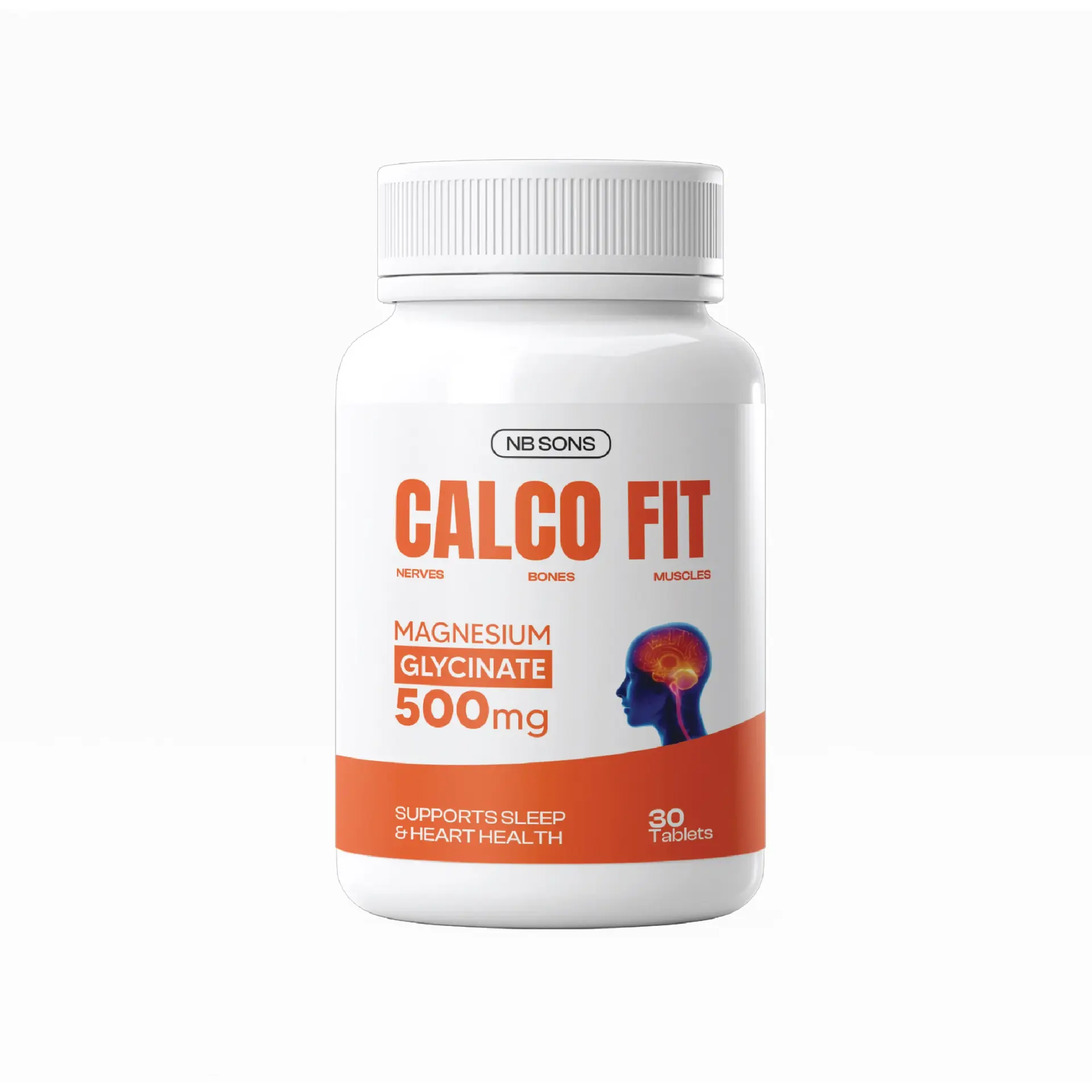
Many people find it hard to get enough magnesium from diet alone, especially with refined, processed foods common in daily life. Calco Fit Magnesium Glycinate is a general wellness option that may help support normal muscle and nerve function, including a healthy heart rhythm, as part of a balanced diet. It is not a treatment for arrhythmia or any diagnosed heart condition.
If you suspect low iron is behind your symptoms, read our detailed guide on iron deficiency in Pakistani women for signs, causes, and food sources. Diet also matters more broadly for heart health. Our guide on a high blood pressure diet covers foods that support a healthy heart overall.
Many people in Pakistan choose to order magnesium supplements online rather than searching multiple pharmacies, and Calco Fit is priced to be an accessible everyday option.
This article was written and medically reviewed to our medical review board standards and is for general guidance, not personal medical advice. Always speak to a doctor or pharmacist about your own situation.
Shop Calco Fit Magnesium Glycinate →Frequently asked questions
Are heart palpitations dangerous?
Most are not. They are usually linked to caffeine, stress, dehydration, or hormonal changes. However, palpitations with chest pain, breathlessness, fainting, or a family history of sudden cardiac problems need urgent same-day medical review.
Can anxiety alone cause heart palpitations?
Yes. Anxiety triggers adrenaline, which makes the heart beat faster and harder. This is one of the most common causes of palpitations, especially during stressful periods.
Do heart palpitations go away on their own?
Often, yes, within seconds or minutes, especially when linked to caffeine, stress, or dehydration. If they happen often, last a long time, or come with other symptoms, see a doctor.
Should I get an ECG for palpitations?
If palpitations are frequent, prolonged, or paired with red-flag symptoms, a doctor may recommend an ECG to check your heart's electrical activity. It is a quick, painless test and a sensible step for peace of mind.
Can dehydration in hot weather really cause palpitations?
Yes. Sweating in Pakistan's summer heat lowers blood volume, so the heart beats faster to keep circulation steady. Steady fluid intake through the day helps.
Is low iron a common cause of palpitations in Pakistani women?
Iron deficiency anaemia is common among Pakistani women and can cause a racing or fluttering heart because the body compensates for lower oxygen delivery. A simple blood test can confirm this.
Persistent, worsening, or red-flag palpitations always need a doctor's assessment. Please do not attempt to self-treat a genuine heart rhythm problem with supplements or lifestyle changes alone.
For further reading, see the NHS guide to heart palpitations and the Mayo Clinic overview of heart palpitations.
Liked this one? Get the next in your inbox.
One fortnightly note from the editors, new pieces, restocks, and the routines we're actually using. Unsubscribe any time.