Supplement Interactions: What to Avoid in Pakistan
The supplement and medicine combinations to be careful with in Pakistan, and simple rules for taking yours safely.
Did you know? Some of the supplements you take together may quietly cancel each other out. It is one of the most common mistakes in Pakistan, and it is almost never mentioned on a label or at the pharmacy counter. This guide explains the key supplement interactions to avoid in Pakistan.
You have done the research. You have invested in good supplements. But certain pairs work against each other, reducing how much you absorb.
This guide covers the combinations that cut effectiveness, the ones that cancel out, and a few that can genuinely cause problems. Think of it as the missing chapter that should come with every supplement purchase.
Why Supplement Interactions Matter
Supplements interact in a few ways. Some compete for the same absorption pathways, so taking them together means you absorb less of both. Some change how your body processes medications, which matters if you take prescription drugs alongside supplements.
A few combinations push the same biological system too hard at once. That can cause side effects even when each supplement alone is safe. And some interactions are beneficial, with certain pairs genuinely helping each other.
The goal here is not to scare you off supplements. Most people take basic vitamin and mineral combos without any trouble. But if you take three, four, or five products, it pays to know what to space out, what to combine on purpose, and what to avoid.
Calcium and Iron: Keep These Apart
This is probably the most clinically important interaction most people in Pakistan will meet. Calcium and iron compete for the same intestinal transporter, called DMT-1. Take them together and calcium wins, cutting iron absorption sharply.
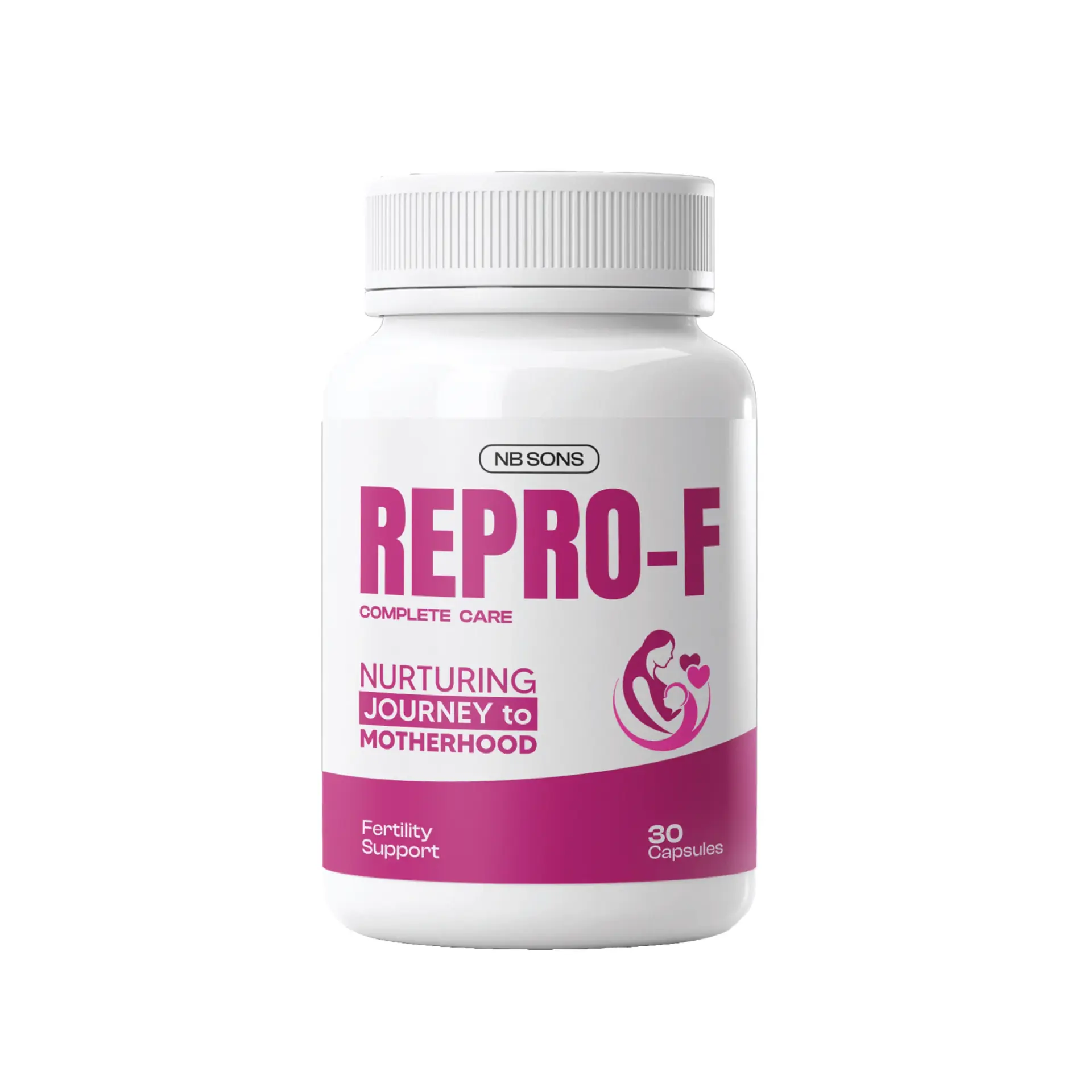
Why does this matter locally? Iron deficiency is very common in Pakistani women, especially those of reproductive age. Many women taking iron for anaemia also take calcium for bone health, or as part of prenatal products like Repro F. Taken together, the iron may not be doing much.
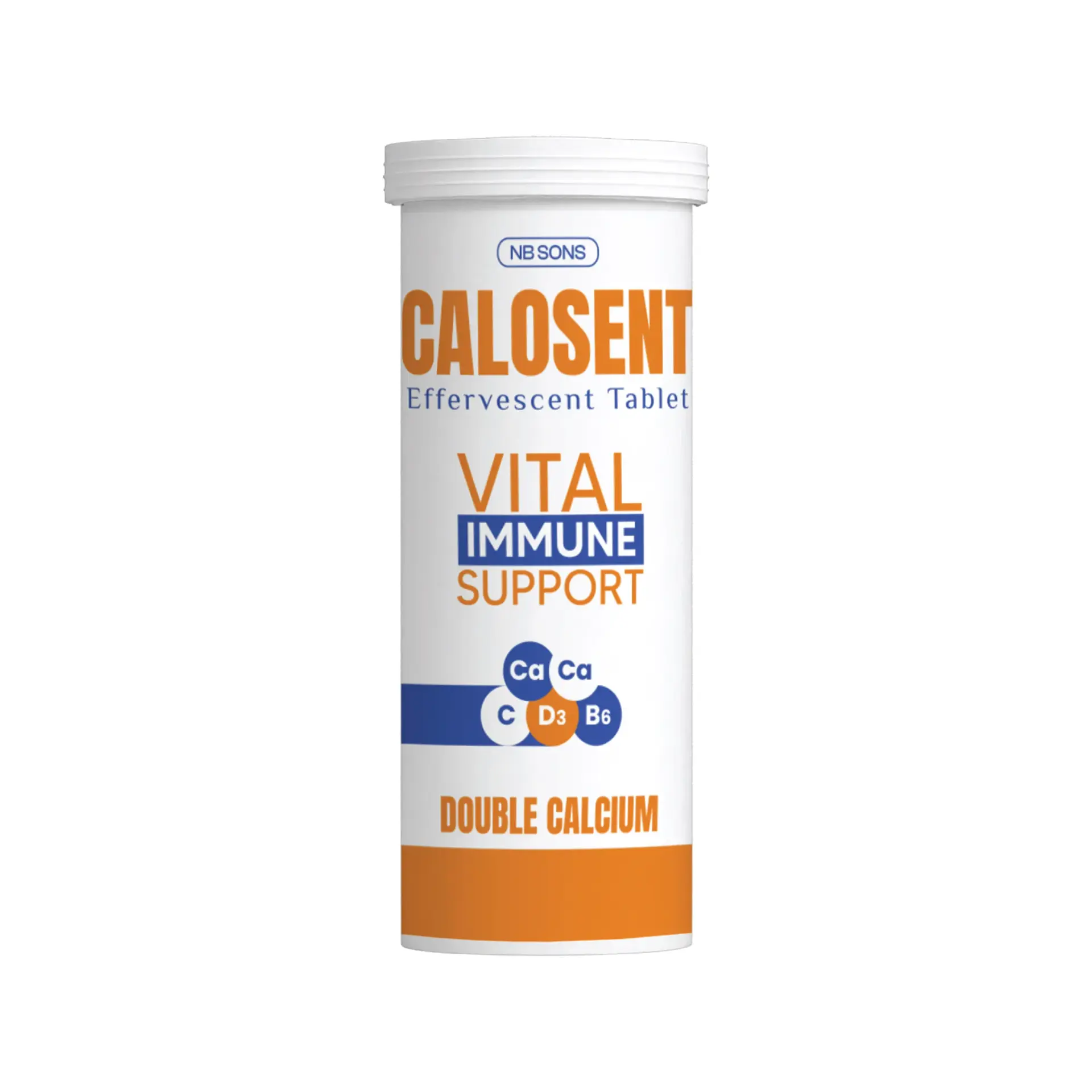
What to do: Space calcium and iron by at least two hours. Take iron in the morning, ideally with a little Vitamin C, which boosts absorption. Take calcium with an afternoon or evening meal. If you use Calosent for calcium, make this separation a steady habit.
Calcium and Magnesium: Don’t Overdo Both at Once
Calcium and magnesium are often sold together in “Cal-Mag” combinations. In moderate doses this works fine. But at higher doses, taken as separate supplements, they compete for absorption. Calcium can block magnesium uptake when both are taken in large amounts at once.
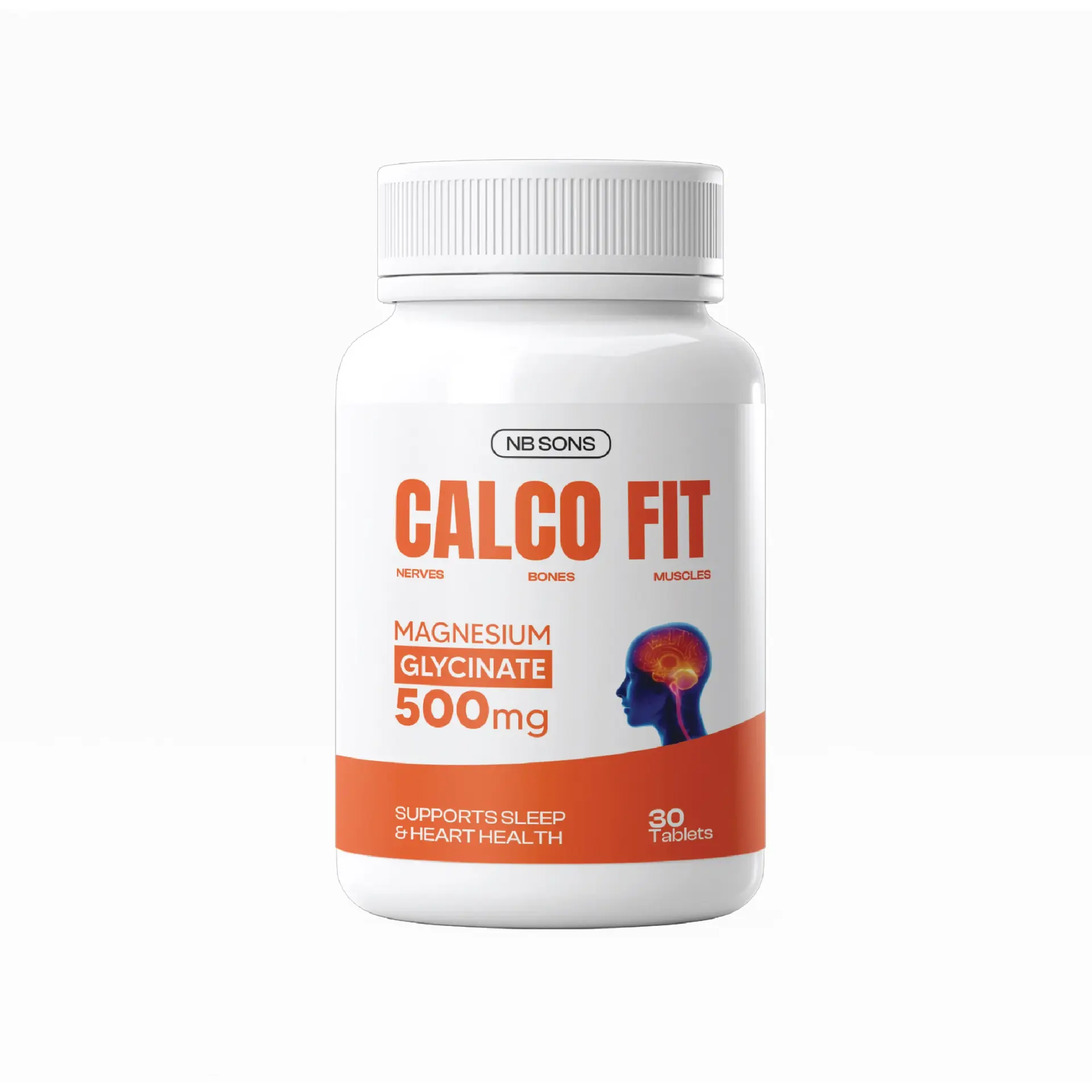
Magnesium glycinate, like Calco Fit, is one of the better-absorbed forms. It is somewhat less affected by this competition than magnesium oxide, but the principle still holds at higher doses.
What to do: If you take both, try calcium with lunch and magnesium with dinner or before bed. At night, magnesium also helps support sleep. This simple split improves absorption of both.
Zinc and Copper: A Delicate Balance
High-dose zinc, anything consistently above 40mg a day, can deplete copper over time. Zinc raises a gut protein called metallothionein, which binds copper and blocks its absorption. Long-term copper deficiency can cause anaemia and neurological problems, which defeats the point of taking the zinc.
This is less of an issue at standard multivitamin doses of zinc, around 8 to 15mg. But if you take higher doses for immunity, skin, or male fertility, as in some formulations sold in Pakistan, it is worth watching.
What to do: If you take zinc at higher doses for longer than a few weeks, choose a supplement that includes copper, or alternate periods of zinc use. Note too that zinc and iron compete much like calcium and iron, so space them out if you take both.
Fat-Soluble Vitamins: Don’t Stack Too High
The fat-soluble vitamins, A, D, E, and K, are stored in body fat and the liver rather than passed out in urine like water-soluble ones. This means they can build up. Taking very high doses of Vitamin A and Vitamin D together long-term can cause toxicity. High-dose Vitamin E can interfere with Vitamin K’s role in blood clotting.
The D3 plus K2 combination, by contrast, is beneficial. Vitamin K2 helps direct calcium to bones and teeth rather than arteries, which matters most at higher Vitamin D doses. Products like Vit KD, with D3 10,000 IU and K2, are built around this synergy. The problem comes from adding a separate Vitamin A supplement on top, or stacking several fat-soluble products without tracking the totals.
What to do: Read the labels across all your supplements and add up total Vitamin A and Vitamin D. Most adults in Pakistan supplement D3 to correct deficiency, which is very common here, so stick to one Vitamin D product rather than layering several. The D3 plus K2 pairing is a good choice. Just do not add a separate high-dose Vitamin A supplement without a reason.
Supplements and Common Medications in Pakistan
This is where things get more serious. Several supplements interact meaningfully with medications widely used in Pakistan. These include blood pressure drugs, thyroid medication, blood thinners, and even common antibiotics.
Calcium and Thyroid Medication
Calcium supplements sharply reduce the absorption of levothyroxine, the thyroid hormone replacement sold here as Eltroxin or Synthroid. The same is true for iron and for antacids containing calcium or magnesium. Thyroid medication should be taken on an empty stomach, 30 to 60 minutes before breakfast. Wait at least 4 hours before any calcium or iron supplement.
This interaction is often missed entirely. Thyroid patients who add calcium without adjusting timing may find their levels harder to control. The dose is not the problem. The medication is simply being absorbed less.
Magnesium and Blood Pressure Medications
Magnesium has its own mild blood-pressure-lowering effect, through a different mechanism than blood pressure drugs. For most people this is fine. But if you are on several blood pressure medications, adding high-dose magnesium could push pressure lower than intended. Speak to your doctor if you take antihypertensives and are considering Calco Fit or another magnesium supplement.
Vitamin K and Blood Thinners (Warfarin)
Warfarin, the most common oral blood thinner in Pakistan, works by blocking Vitamin K-dependent clotting factors. If you are on warfarin, changing your Vitamin K intake, up or down, directly affects how well it works. This does not mean you cannot take supplements with Vitamin K. It does mean consistency is critical. Suddenly starting or stopping a D3 plus K2 supplement on warfarin will shift your INR. Your anticoagulation clinic needs to know about any supplement changes.
Zinc and Antibiotics
Zinc binds to certain antibiotics and reduces their absorption. This applies to quinolones such as ciprofloxacin, widely used in Pakistan, and to tetracyclines. If you need a course of antibiotics, pause zinc for the duration, or space them by at least 2 hours. A course of ciprofloxacin that is only partly absorbed will not treat an infection as well.
CoQ10 and Statins
Statins, the cholesterol-lowering drugs commonly prescribed for heart disease here, deplete CoQ10 as a side effect of how they work. Many doctors recommend CoQ10 for statin users to counter this. So here the interaction is a reason to add a supplement, not avoid one. If you are on a statin and have muscle fatigue or weakness, CoQ10 may be worth discussing with your cardiologist.
Supplement Combinations That Actually Work Against Each Other
Green Tea Extract and Iron
Green tea contains tannins, which bind to non-heme iron, the plant form found in food and some supplements, and cut its absorption sharply. If you take iron or eat an iron-rich meal, drinking green tea at the same time, or taking a green tea extract, will reduce iron absorption. Space these by at least an hour.
High-Dose Vitamin C and Copper
Very high doses of Vitamin C, above 1,500 to 2,000mg a day, can reduce copper absorption. For most people on standard doses like Cee 500mg or Asco C, this is not an issue. But if you layer several Vitamin C sources, such as a supplement plus fortified foods plus a high-dose effervescent, the total can add up over time.
Fibre and Mineral Absorption
Soluble and insoluble fibre bind to minerals in the gut and reduce their absorption. If you take a fibre supplement like Fybosim, which combines fibre with glutathione, take it separately from your mineral supplements, ideally at a different meal. This is a minor interaction at typical doses, but worth noting if you take fibre therapeutically alongside iron, zinc, or calcium.
Beneficial Combinations Worth Knowing
Not all interactions are negative. Some pairs work genuinely well together.
- Vitamin D3 + K2: K2 activates proteins that put calcium into bones rather than arteries. This matters most at higher D3 doses, because D3 increases calcium absorption while K2 directs where that calcium goes. Products like Vit KD are built around this synergy.
- Vitamin C + Iron: Vitamin C converts iron from the ferric form, which absorbs poorly, to the ferrous form, which absorbs well. Taking Vitamin C with iron can raise iron absorption by up to 67%, according to research in the American Journal of Clinical Nutrition. It is one of the most evidence-backed pairings there is.
- Myo-inositol + Folic Acid: The combination in products like M-Sol is built around evidence that the two together improve PCOS outcomes better than either alone. The 40:1 myo-inositol to D-chiro-inositol ratio is the clinically validated formula, a deliberate synergy, not an accident.
- Magnesium + Vitamin B6: B6 improves magnesium absorption, and the two work together in many enzyme processes. Some magnesium supplements already include B6 for this reason.
- L-Arginine + CoQ10 for male fertility: The combination in formulations like Argivital pairs arginine, for blood flow and sperm motility, with antioxidants. This combination has research support for male fertility that neither alone matches.
Practical Scheduling: A Simple Daily Framework
For most people taking several supplements in Pakistan, this basic schedule avoids the main interactions.
| Time | Supplements | Notes |
|---|---|---|
| Morning (empty stomach) | Thyroid medication (if applicable) | Wait 30 to 60 min before eating |
| Breakfast | Iron + Vitamin C, B vitamins, Vitamin C | Vitamin C enhances iron absorption |
| Lunch (with fat) | Vitamin D3/K2, fat-soluble vitamins, CoQ10 | Fat in meal essential for absorption |
| Afternoon | Calcium (first dose if splitting) | Away from iron and zinc |
| Dinner (with fat) | Omega-3, Calcium (second dose), fertility supplements | With meal, consistent daily timing |
| Before bed | Magnesium glycinate | Supports sleep, less competition at night |
This is not a rigid prescription. It is a framework. The most important rules are separating calcium and iron by at least two hours, and taking fat-soluble vitamins with a fat-containing meal. Everything else is fine-tuning.
When to Actually See a Doctor
Most supplement interactions are about absorption. Taking the wrong combination means you absorb less, not that you are in danger. But some situations genuinely need a doctor’s input before combining supplements with medications.
- You are on warfarin (blood thinner). Any supplement change needs to reach your anticoagulation clinic.
- You are on thyroid medication (levothyroxine). Calcium, iron, and magnesium all affect its absorption.
- You are pregnant. Some combination supplements may exceed safe upper limits for certain nutrients.
- You are on chemotherapy or immunosuppressants. Antioxidant supplements can in theory interfere with some treatments.
- You take several antihypertensives. Adding magnesium means knowing your baseline blood pressure response.
In these cases, your doctor or pharmacist can review your full supplement list and flag anything that needs adjusting. This is especially worth doing before starting a comprehensive protocol for fertility or hormonal health.
The Bottom Line
Two things matter most from this guide. Separate calcium and iron by two hours. And tell your doctor about your supplements if you are on prescription medications.
Everything else, such as the fat-soluble vitamin timing, the zinc-copper balance, and the fibre spacing, is fine-tuning. It matters more if you are getting the most from a serious protocol, less so if you take one or two basics.
Supplements work best when you treat them with the same care you bring to any health decision. A little planning in how you schedule your intake can meaningfully improve what you absorb and how well each product works. Browse our full range of health supplements in Pakistan. Each product page includes guidance on how and when to take it for best results.
This article was written and medically reviewed to our medical review board standards and is for general guidance, not personal medical advice. Always speak to a doctor or pharmacist about your own situation.
Shop All Supplements →Frequently asked questions
Can I take all my supplements together to save time?
For basic multivitamins or single supplements, this is usually fine. But if you take separate calcium, iron, magnesium, and zinc supplements, taking them all at once reduces how much of each you absorb. The main pair to separate is calcium and iron, by at least two hours. Everything else is less critical, though still worth spacing across meals where convenient.
Is it safe to take supplements with tea or coffee in Pakistan?
Tea and coffee both contain tannins and polyphenols that reduce iron absorption. If you supplement iron, take it with water and Vitamin C rather than with chai. For other supplements, such as Vitamin D, magnesium, and B vitamins, tea and coffee have minimal effect at normal amounts. Green tea extract has the same interaction with iron as green tea itself, so space them appropriately.
Do M-Sol and other fertility supplements interact with anything?
M-Sol and similar myo-inositol-based supplements are generally very well tolerated, with no significant interactions with other vitamins or minerals. The main caution is folic acid dose. If you take M-Sol, which contains folic acid, plus a separate folic acid supplement, check that your total daily intake is not well above recommended levels for your situation. Women trying to conceive typically aim for 400 to 800mcg a day. Women with conditions like MTHFR mutations may be advised higher, but that is a doctor conversation.
Can I take joint supplements like ArtiBro with other medications?
ArtiBro, which contains glucosamine and chondroitin, has one notable interaction. Glucosamine can mildly increase the effect of warfarin. If you are on warfarin and want glucosamine for joint health, inform your anticoagulation team. For most people on other medications, glucosamine and chondroitin is considered safe. It just does not work well alongside NSAIDs like ibuprofen for the same condition, since they act on different pathways.
Liked this one? Get the next in your inbox.
One fortnightly note from the editors, new pieces, restocks, and the routines we're actually using. Unsubscribe any time.