Psoriasis in Pakistan: Symptoms, Triggers & Managing Flare-Ups (2026)
Psoriasis is an autoimmune condition, more than dry skin. Symptoms and triggers, scalp psoriasis care, and why a dermatologist matters in Pakistan.
According to the NHS, psoriasis affects around 2 in 100 people in the UK, and dermatologists in Pakistan report seeing it just as often, especially in dry winter months. If you have red, scaly patches that will not go away with ordinary moisturiser, you may be searching for real psoriasis treatment options, not just another cream. This guide explains what psoriasis is, what triggers flare-ups, and how medical care plus gentle skincare can help you manage it.
What is psoriasis, really?
Psoriasis is an autoimmune condition. It is not caused by poor hygiene, and it is not contagious.
In healthy skin, cells rise to the surface and shed over about a month. In psoriasis, the immune system sends faulty signals to T-cells, a type of white blood cell.
This speeds up skin cell turnover to just a few days. Cells pile up faster than they can shed, forming the thick, scaly plaques people recognise.
This differs from dry skin, which just lacks moisture. Psoriasis is driven by inflammation inside the immune system, according to the Mayo Clinic.
Common psoriasis symptoms to watch for
Psoriasis symptoms vary from person to person. Most people notice some combination of the following.
- Raised, red or pink patches with silvery white scale on top
- Dry, cracked skin that may bleed in severe cases
- Itching, soreness, or a burning feeling around patches
- Thickened, pitted, or ridged nails
- Stiff, swollen joints in some people, known as psoriatic arthritis
Plaque psoriasis is the most common form, seen most often by dermatologists in Pakistan and abroad. It typically appears on the elbows, knees, lower back, and scalp.
Guttate psoriasis looks different. It shows up as small, drop-shaped spots on the torso and limbs, and often follows an infection.
What causes psoriasis to flare up
There is no single cause of psoriasis. Genetics set the stage, and certain triggers tend to set off a flare. Knowing your own pattern of psoriasis causes can help you and your dermatologist manage it better over time.
Stress
Emotional stress is one of the most commonly reported flare triggers. Exam season, family pressure, or work deadlines can all coincide with new patches appearing.
Infections
A throat infection, particularly streptococcal or strep throat, can trigger guttate psoriasis, especially in children and young adults. This is well documented by the Cleveland Clinic.
Weather and dry, cold air
Many people in Pakistan notice flares worsen in winter, when humidity drops in cities like Islamabad and Lahore. Dry air pulls moisture from compromised skin.
Intense summer heat and sweat can irritate skin folds too, and air conditioning indoors can dry skin even when it is hot outside.
Skin injury, the Koebner phenomenon
A cut, scrape, tattoo, sunburn, or even a scratch can trigger new psoriasis patches at the site of injury within one to two weeks. This is called the Koebner phenomenon.
Certain medications
Some medicines, including lithium and certain blood pressure drugs, can worsen psoriasis in susceptible people. Never stop a prescribed medication without talking to your doctor first.
Smoking and alcohol
Both are linked with more severe, harder to treat psoriasis. Cutting back can support better outcomes alongside medical treatment.
Scalp psoriasis: a common and often missed pattern
Scalp psoriasis can look like stubborn dandruff at first. It causes red patches under the hair, often with thick, flaky scale along the hairline, behind the ears, or at the back of the neck.
It can extend slightly beyond the hairline onto the forehead or neck, which regular dandruff does not usually do. Picking or scratching it can trigger new patches through the Koebner phenomenon, so gentle handling matters here.
A dermatologist may prescribe a medicated shampoo, a topical steroid solution, or a scalp vitamin D analogue. These need a proper diagnosis first, since other scalp conditions can look similar.
Is psoriasis the same as eczema?
No, though they are often confused. Both cause red, itchy, inflamed skin, but the mechanism differs.
Psoriasis is driven by T-cell overactivity and rapid skin cell turnover. Eczema, covered in our eczema treatment guide for Pakistan, is more closely tied to a weakened skin barrier and allergy-type immune responses.
Psoriasis plaques tend to have well-defined edges and silvery scale. Eczema patches are usually less defined and often appear in skin folds like the inner elbows. A dermatologist can tell the two apart quickly, so do not self-diagnose from photos online.
When to see a dermatologist
Most people with psoriasis symptoms need a proper diagnosis from a dermatologist. This is not a condition to manage from guesswork or social media advice.
See a doctor if patches are spreading, painful, affecting your nails, or appearing alongside joint pain, which could signal psoriatic arthritis. Seek care urgently if large areas of skin turn red and shed in sheets, or if you develop pus filled blisters with fever.
According to the NHS, treatment is tailored to severity and usually managed step by step. A dermatologist may use:
- Topical corticosteroids to calm inflammation in mild to moderate cases
- Vitamin D analogue creams, often combined with steroids
- Phototherapy, controlled UVB light treatment, for wider areas
- Systemic medication or biologic injections for moderate to severe disease that has not responded to other treatment
These are prescription decisions made by a dermatologist after examining your skin, not something to start on your own.
Gentle skincare that supports medical treatment
Daily skincare will not treat psoriasis on its own. The right gentle routine can reduce discomfort and support whatever your dermatologist prescribes, as comfort care, not a substitute for treatment.
- Use a fragrance-free, gentle moisturiser daily to reduce dryness and cracking
- Avoid hot showers and baths, which strip natural oils and can worsen itching
- Pat skin dry gently rather than rubbing with a towel
- Choose a mild, soap-free cleanser instead of harsh antibacterial bars
- Avoid scratching or picking at scale, since injury can trigger new patches
- Apply moisturiser within a few minutes of bathing, while skin is still slightly damp
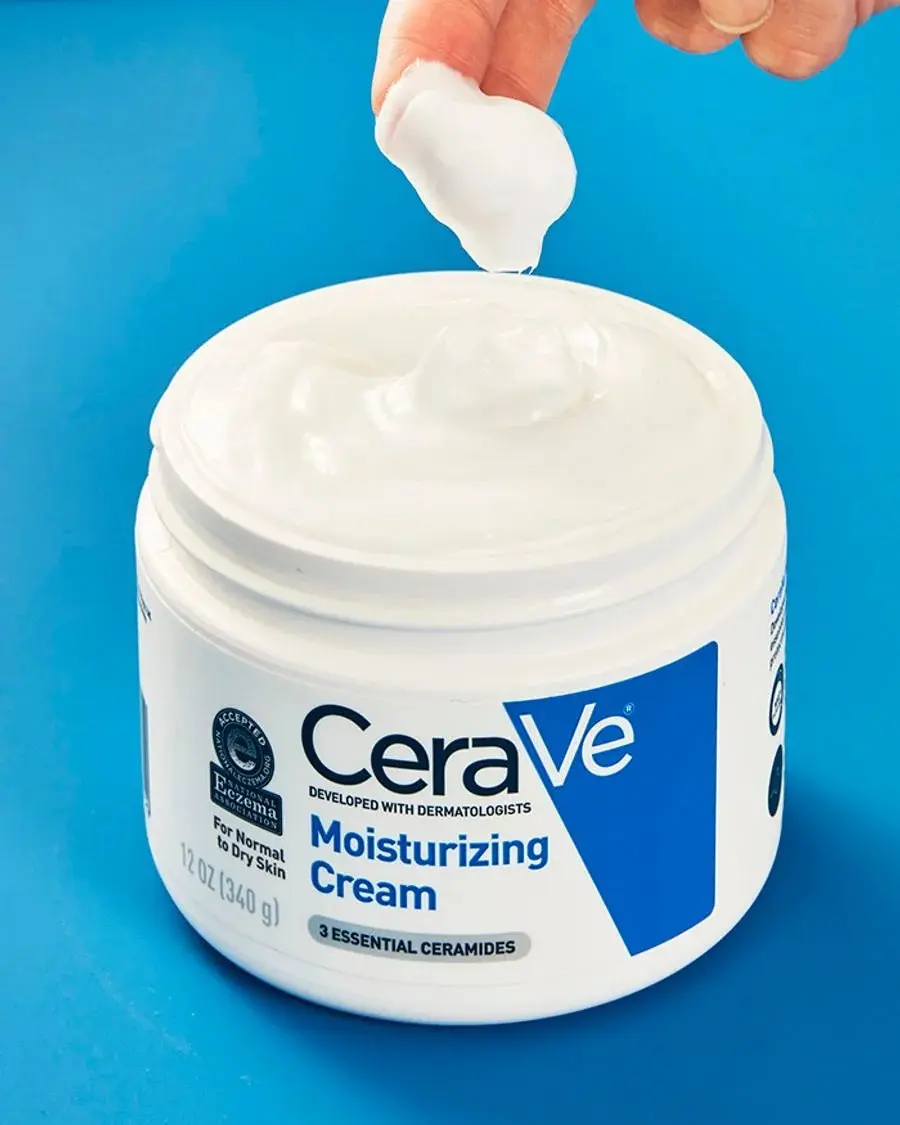
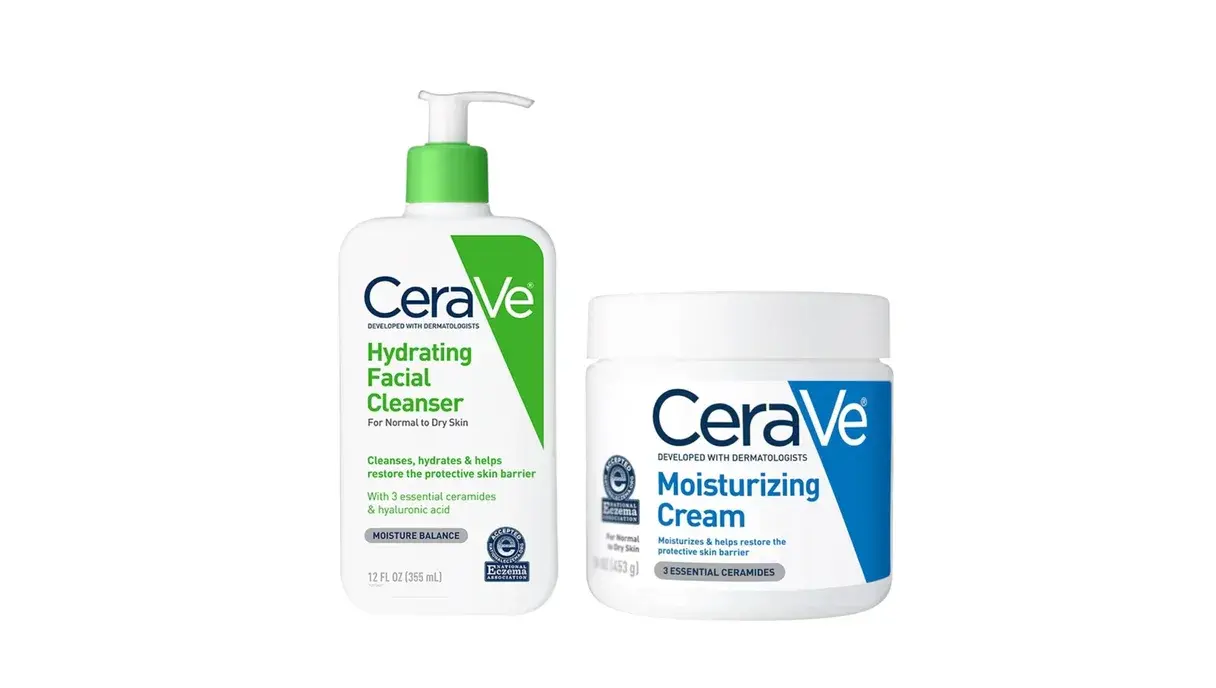
A fragrance-free formula like CeraVe Moisturising Cream (around Rs 6,500 in Pakistan) is a reasonable everyday option for the dry, flaky skin around plaques, alongside whatever your dermatologist has prescribed. It will not clear psoriasis by itself.
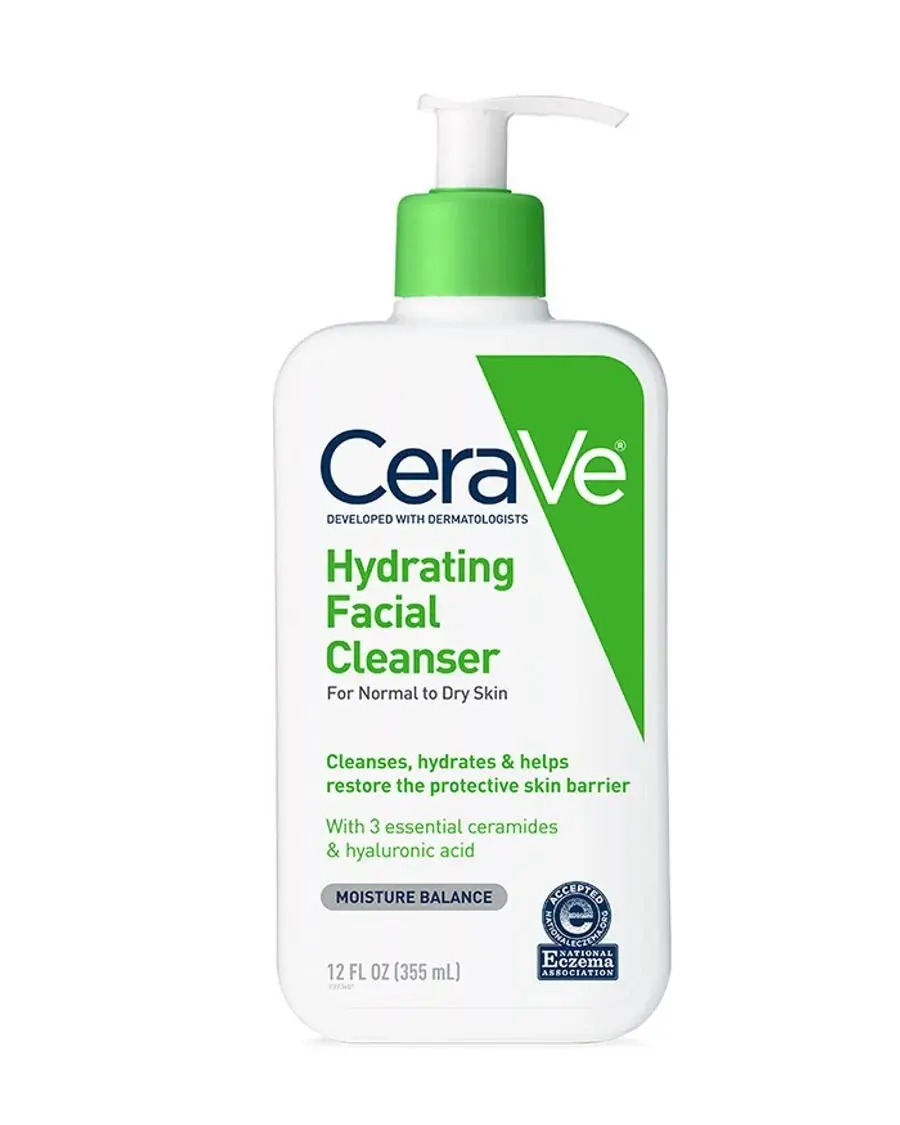
For cleansing, a gentle option such as the CeraVe Hydrating Facial Cleanser (around Rs 5,999) avoids the harsh surfactants that can aggravate sensitive, scaling skin on the face and hairline.
If you are already following a layered routine, our skincare routine order guide explains where gentle moisturising fits in without overloading irritated skin. For a broader look at the CeraVe range available locally, see our CeraVe products guide for Pakistan.
Psoriasis and the Pakistani climate, diet, and lifestyle
Pakistan's mix of intense summer heat and dry winters can make psoriasis harder to predict. Many patients report worse flares from October to February, when indoor heating and outdoor air both lose humidity.
Moderate sun exposure can sometimes help, since natural UVB light has a similar effect to phototherapy. But sunburn can trigger new patches through skin injury, so ask your doctor before relying on unprotected midday sun.
Cost matters for many households. Pharmacy-bought topical steroids are usually cheaper than imported skincare, so do not feel pressured to buy costly products before getting a proper prescription.
A balanced diet, healthy weight, and good stress management are sensible general steps. They will not cure psoriasis, but many patients and doctors report they support flare control.
Living with psoriasis: realistic expectations
Psoriasis is a chronic condition. At present, it is managed, not cured, and it is important to hear that clearly rather than be promised otherwise.
Most people move through cycles of flares and remission. With dermatologist-led treatment and gentle daily care, many reach long stretches of clear or mostly clear skin.
Be wary of any product, local or imported, that promises a permanent cure. No skincare product, however good the ingredients, can switch off an overactive immune response. Working with a dermatologist over time gives the best realistic outcome.
Who should be cautious with over the counter skincare
Anyone with widespread, painful, or rapidly worsening psoriasis should see a dermatologist before relying on over the counter products. The same goes for anyone with joint pain, fever, or skin that looks infected.
If you are pregnant, breastfeeding, or managing another condition such as diabetes, check with your doctor before starting any new topical product, even a gentle one. Children with suspected psoriasis should always be assessed by a doctor first.
This article was written and medically reviewed to our medical review board standards and is for general guidance, not personal medical advice. Always speak to a doctor or pharmacist about your own situation.
Shop CeraVe Moisturising Cream →Frequently asked questions
Is psoriasis contagious?
No. Psoriasis cannot spread through touch, sharing towels, or close contact. It is an internal immune response, not an infection.
Can psoriasis be cured permanently?
Not currently. Psoriasis is a chronic condition that is managed with treatment and lifestyle adjustments. Many people reach long periods of clear skin, but the underlying tendency usually remains.
What is the difference between psoriasis and eczema?
Psoriasis involves rapid skin cell turnover driven by T-cells, with well-defined plaques and silvery scale. Eczema is more linked to a weakened skin barrier and allergy-type triggers. See our eczema guide for more detail.
Can diet alone clear psoriasis?
No single diet has been proven to clear psoriasis. A balanced diet and healthy weight may support overall symptom control, but they work alongside medical treatment, not instead of it.
Is scalp psoriasis the same as dandruff?
No. Dandruff is flaking without significant redness or thickened plaques. Scalp psoriasis causes raised, scaly red patches and can extend past the hairline. A dermatologist can confirm which one you have.
Can stress really trigger a flare-up?
Yes, stress is one of the most commonly reported psoriasis triggers. Many patients notice new or worsening patches during periods of emotional strain or poor sleep.
Should I stop using moisturiser if I am on prescription treatment?
No, gentle fragrance-free moisturiser is usually fine alongside prescription treatment and can ease dryness and discomfort. Always check timing and product choice with your dermatologist or pharmacist.
Liked this one? Get the next in your inbox.
One fortnightly note from the editors, new pieces, restocks, and the routines we're actually using. Unsubscribe any time.