Niacinamide: What It Does for Your Skin and How to Use It
Niacinamide for oil control, pores, brightening and a stronger barrier. How to use a niacinamide serum and whether to layer it with vitamin C or acids.
Did you know that niacinamide is one of the few skincare ingredients that suits almost everyone, oily or dry, sensitive or acne-prone, and plays nicely with most other actives? That versatility is exactly why it appears in so many serums and moisturisers. But to get results, you need to know what it actually does and how to use it.
This guide covers what niacinamide is, what it does for your skin, how to use a niacinamide serum, and the common questions about layering it with vitamin C and exfoliating acids.
What is niacinamide?
Niacinamide is a form of vitamin B3. Applied to the skin, it is a water-soluble active that works with your skin's natural processes rather than forcing a harsh change, which is why it is so well tolerated. You will usually see it on labels at concentrations between 2% and 10%.
What niacinamide does for your skin
- Controls oil and minimises the look of pores. It helps regulate sebum, so it is a favourite for oily and combination skin, especially useful in Pakistan's humid months.
- Brightens and evens tone. Niacinamide can help fade the look of dark spots and post-acne marks, which is why it is often paired with tranexamic acid (TXA) for pigmentation.
- Strengthens the skin barrier. It supports the skin's natural moisture barrier, so skin holds water better and feels less reactive.
- Calms redness. Its soothing effect makes it helpful for blotchy, easily-irritated skin.
How to use a niacinamide serum
- When: it can be used both morning and night.
- Where in your routine: after cleansing (and toner if you use one), before your moisturiser, on clean, dry skin.
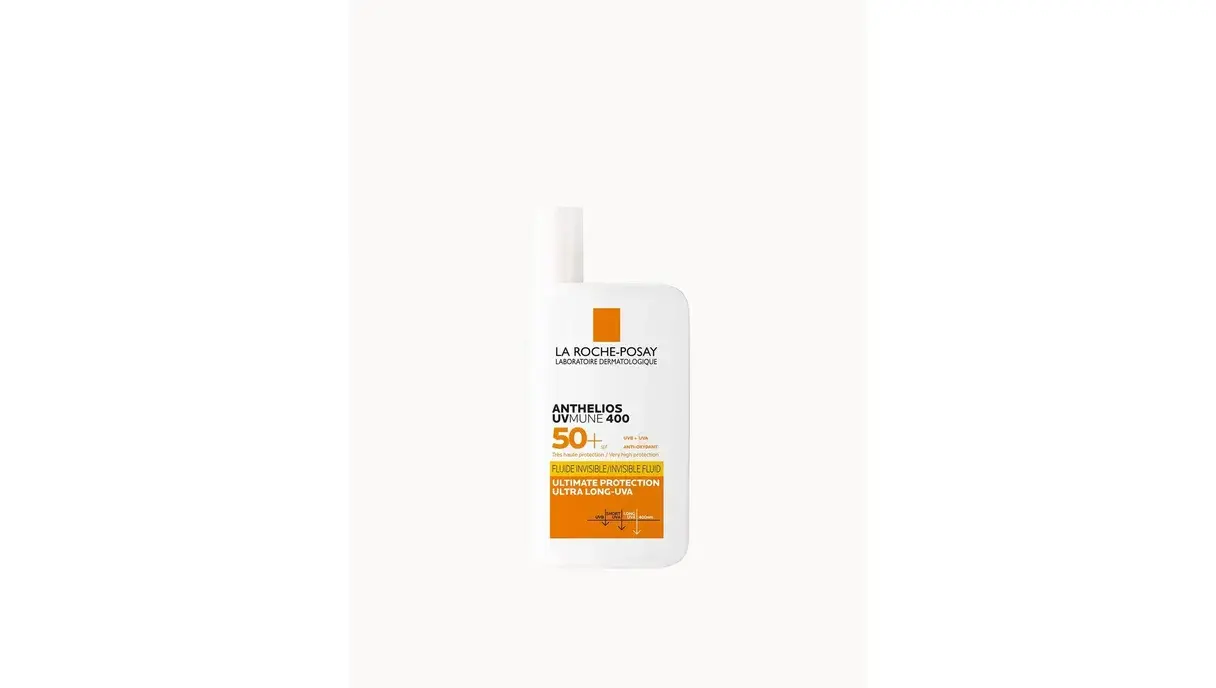
- How much: a few drops is plenty. Follow with moisturiser, and always finish your morning routine with sunscreen.
- Start simple: if your skin is new to actives, begin once daily and build up.
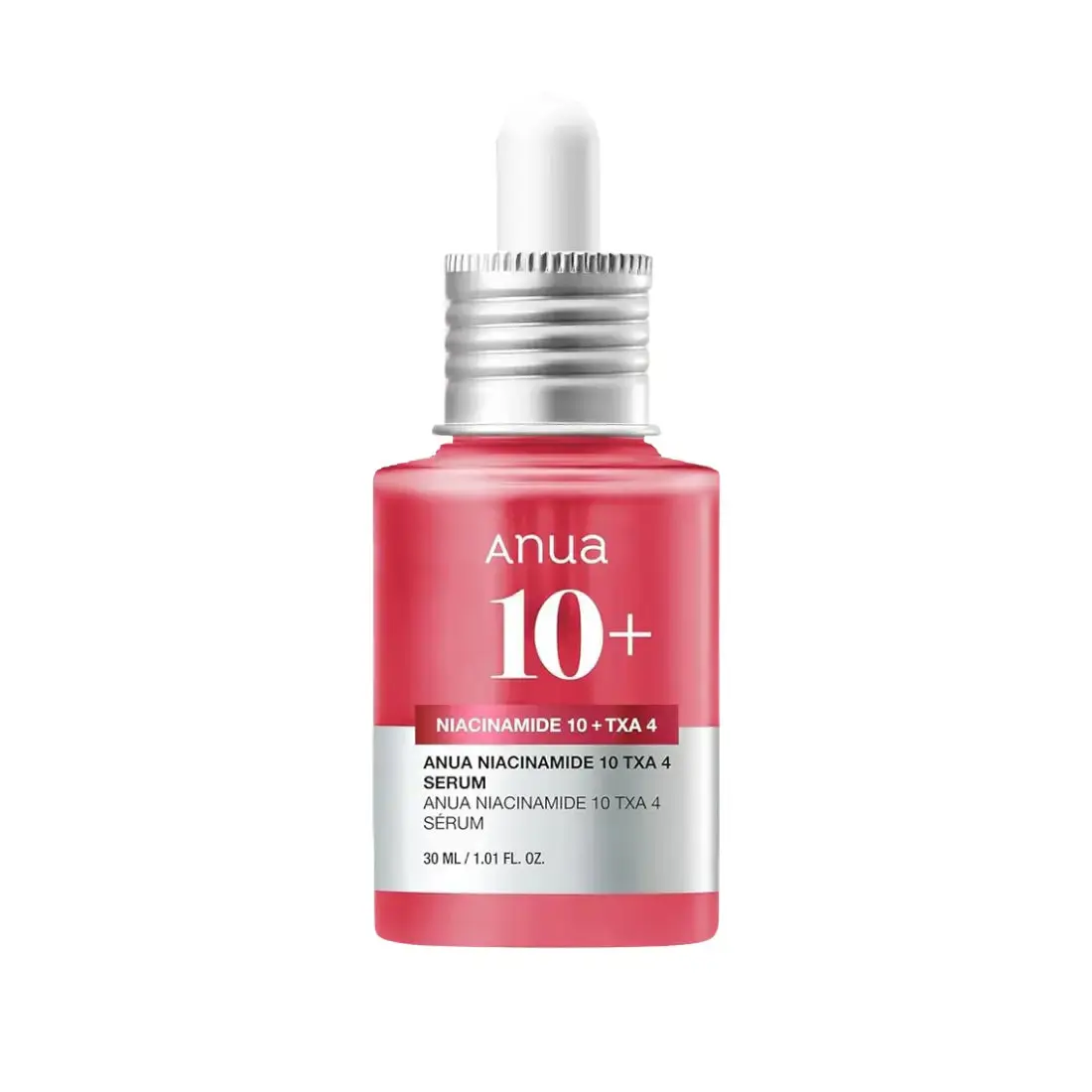
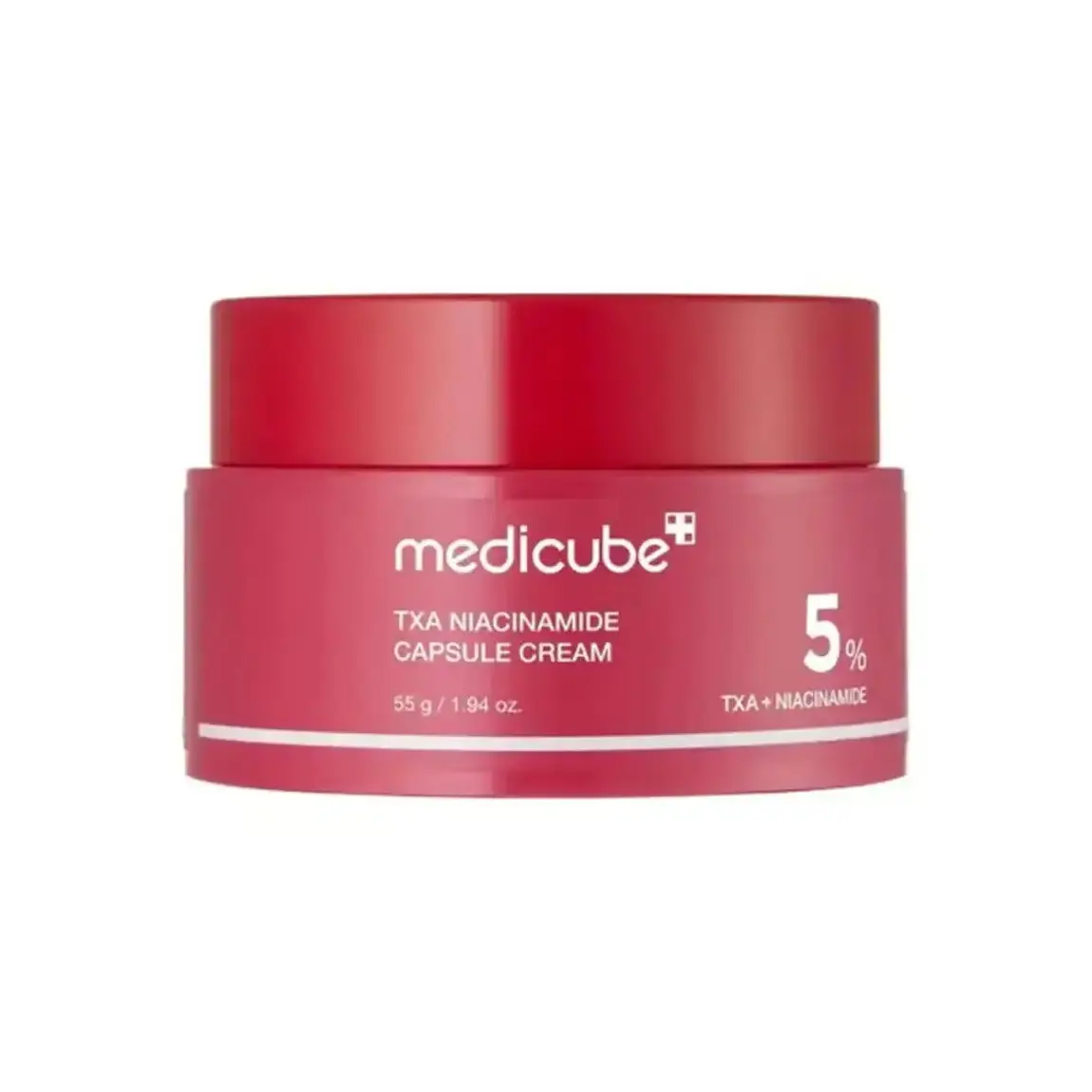
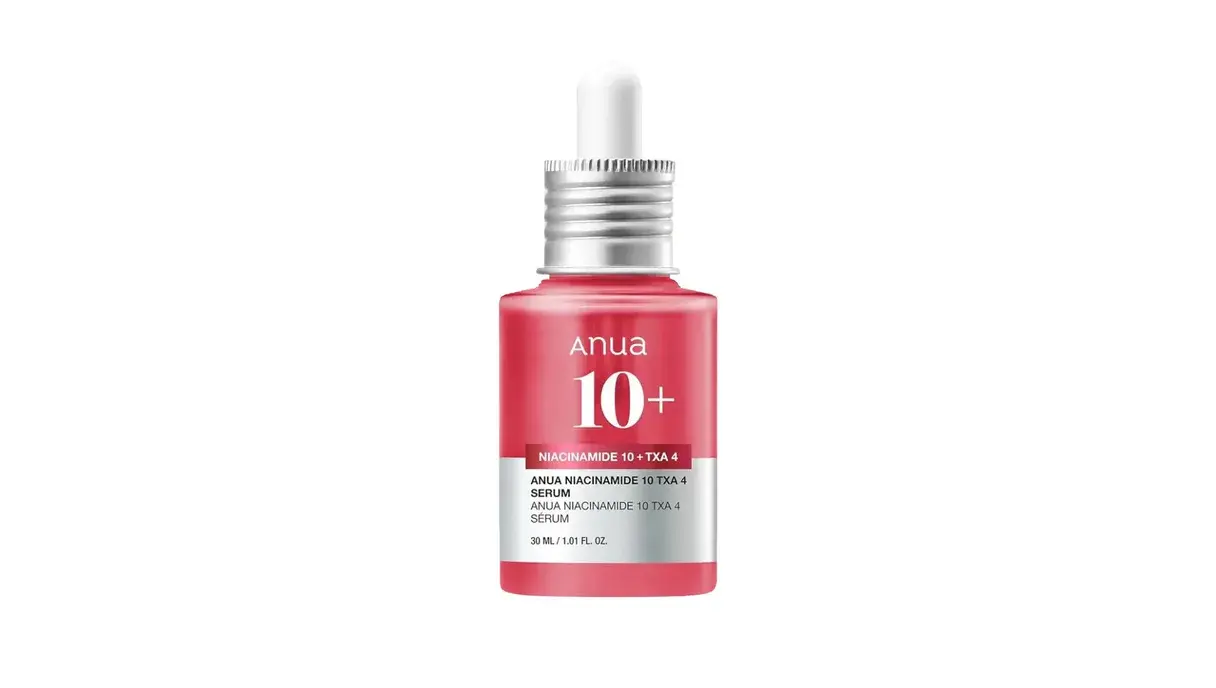
A popular option is Anua Niacinamide 10% + TXA 4% Serum, which pairs niacinamide with tranexamic acid for oil control and brightening. If you prefer it in a moisturiser step, Medicube TXA + Niacinamide cream delivers similar actives in a cream. Browse more on the Skincare Edit.
Can you use niacinamide with vitamin C and acids?
Yes. Despite an old myth, niacinamide and vitamin C can be used together, they are both antioxidants and modern formulas layer them without issue. You can use vitamin C in the morning and niacinamide at night if you prefer, or simply layer them.
Niacinamide also pairs well with exfoliating acids (AHAs/BHAs) and retinol, and can actually make those stronger actives feel gentler by supporting the barrier. If you are using several actives, introduce them one at a time so you can tell how your skin responds.
Is niacinamide good for oily or dry skin?
Both. For oily and acne-prone skin, it helps manage shine and the look of pores. For dry or sensitive skin, it strengthens the barrier so skin retains moisture and feels calmer. That is the beauty of it, it is one of the most universally suitable actives.
Side effects and who should be careful
Niacinamide is generally very well tolerated. Occasionally, very high concentrations can cause mild tingling or flushing in sensitive skin, if that happens, drop to a lower percentage or use it less often. True "purging" is not typical of niacinamide (unlike exfoliating acids or retinoids). As with any new product, patch-test first, and introduce one active at a time.
This article was written and medically reviewed to our medical review board standards and is for general guidance, not personal medical advice. Patch-test new products and speak to a dermatologist about persistent skin concerns.
Frequently asked questions
What does niacinamide do for the skin?
It helps control oil, minimise the look of pores, brighten and even skin tone, strengthen the moisture barrier and calm redness, which is why it suits most skin types.
How do you use niacinamide serum?
Apply a few drops to clean, dry skin after cleansing and before moisturiser, morning and/or night. Finish the morning routine with sunscreen.
Can I use niacinamide with vitamin C?
Yes. The idea that they cancel each other out is a myth, they can be layered or used at different times of day.
Is niacinamide good for oily skin?
Very, it helps regulate oil and reduce the appearance of pores, which makes it a go-to for oily and combination skin.
Can niacinamide cause acne or purging?
It is not known for causing purging. If a specific product breaks you out, it is usually another ingredient or the formula, not the niacinamide itself. Introduce new products one at a time to identify the cause.
Liked this one? Get the next in your inbox.
One fortnightly note from the editors, new pieces, restocks, and the routines we're actually using. Unsubscribe any time.