Baked Powder: What It Is & How to Use It (Pakistan Guide 2026)
Baked powder gives a satin, dewy finish pressed powder can't. What baked means, how to apply it wet or dry, and how to make it last in Pakistan's heat.
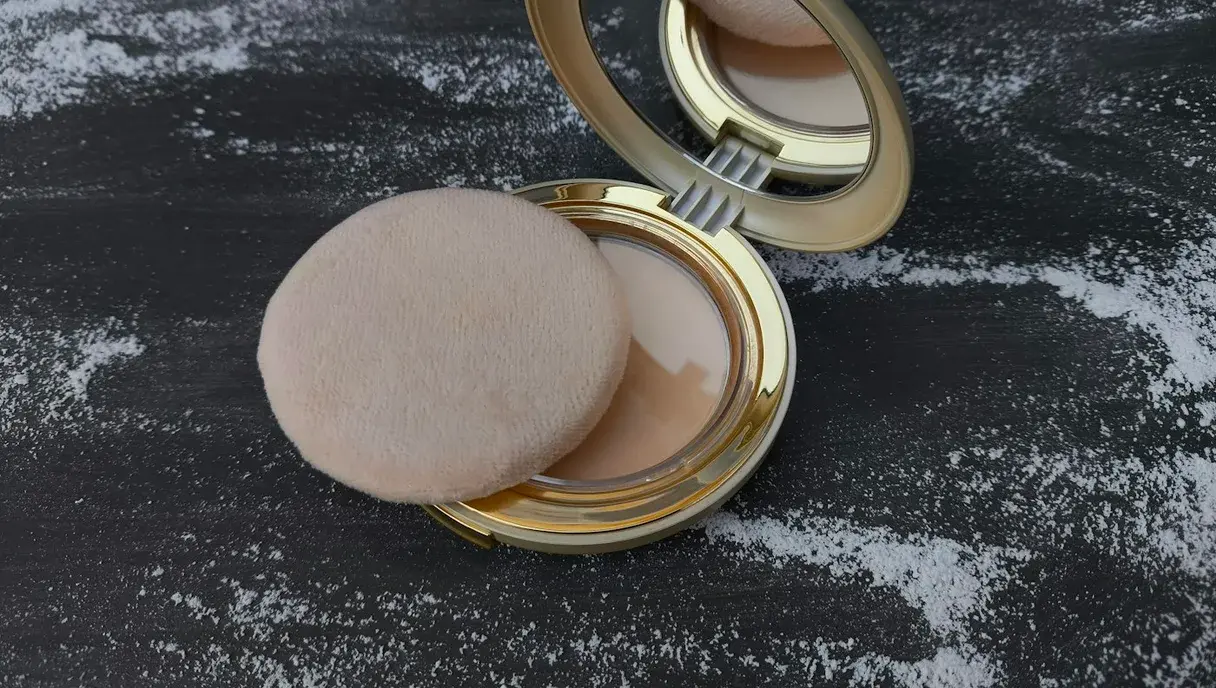
Did you know that "baked" makeup does not mean it goes anywhere near an oven? The pigments are cured on terracotta tiles for days, not baked in the food sense, and the result is a finish that regular pressed powder simply cannot copy. If you have ever wondered why some setting powders look flat and chalky while others give skin a soft, lit-from-within glow, the answer is usually the baking process. This guide breaks down what baked powder actually is, how it differs from a standard pressed compact, and how to use it properly in Pakistan's heat and humidity.
What does "baked" actually mean?
Baked powder is made by mixing pigments, mica and a small amount of binder into a wet paste. That paste is poured into moulds and left to cure slowly on heated terracotta tiles.
The curing can take several days. This slow process lets the pigments and shimmer particles fuse together in a way that pressing a dry powder into a pan cannot replicate.
The result is a denser, slightly damp-looking product. It picks up more pigment on your brush or sponge than a standard pressed powder does.
Baked powder versus regular pressed powder
Both come in a compact and both are used on the face, but the finish and feel are quite different. Here is a simple comparison.
| Feature | Baked powder | Pressed (compact) powder |
|---|---|---|
| Finish | Satin, slightly dewy | Flat matte |
| Pigment payoff | Richer, more buildable | Lighter, more subtle |
| Best for | Normal to dry skin | Oily or acne-prone skin |
| Application | Damp sponge or dry brush | Usually dry puff or brush |
| Oil control | Moderate | Strong |
Neither is "better" on its own. It depends on your skin type and the finish you want, which we cover below.
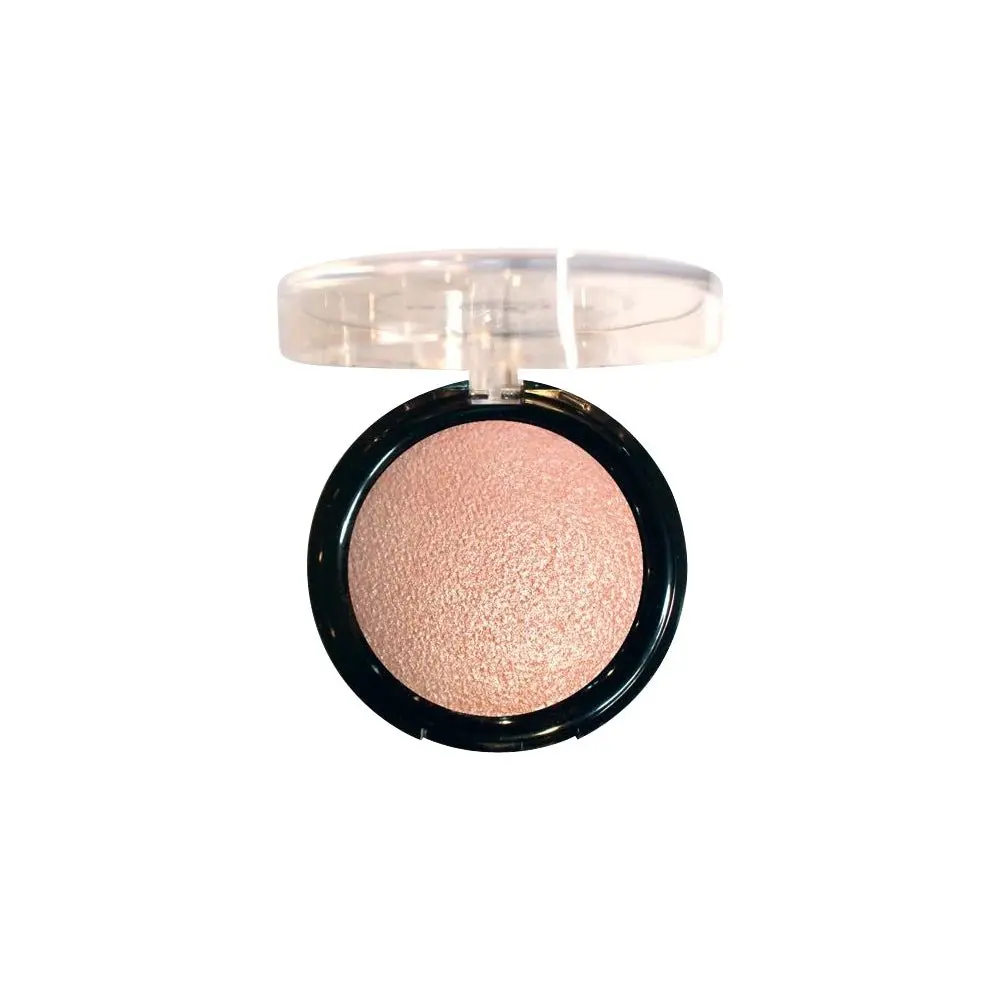
Meet the Christine Baked Powder Shade 828
The Christine Baked Powder Shade 828 is a good example of this category and an easy entry point if you have never tried a baked formula before.
It is priced at PKR 850, which makes it an affordable way to test the baked finish without committing to a pricier imported brand.
Shade 828 leans towards a warm, medium beige tone that suits many South Asian skin tones, but always check the swatch details on the product page before you order.
How to apply baked powder for a satin, full coverage look
For the most coverage and the signature satin glow, apply with a slightly damp makeup sponge.
- Dampen your sponge and squeeze out the excess water so it is moist, not dripping.
- Swirl or dab the sponge onto the powder to pick up pigment.
- Press the powder onto your face in gentle, bouncing motions rather than dragging it across skin.
- Build up slowly over areas that need more coverage, such as around the nose or under the eyes.
Used this way, baked powder can work almost like a light foundation. Many people use it alone on low key days instead of a separate base.
How to apply baked powder for a light, sheer veil
If you want subtle coverage or just want to set your foundation, use a dry, fluffy powder brush instead.
- Swirl a dry brush over the powder and tap off the extra product.
- Dust it lightly over the face, focusing on the T-zone.
- Build in thin layers rather than one heavy coat.
Dry application gives a softer, more sheer result than the damp sponge method. It is the better choice for daytime touch-ups.
Wet or dry: which should you choose?
Think of baked powder as flexible rather than fixed to one method. Wet application gives you a foundation-like base with a satin finish and more coverage.
Dry application gives you a lighter veil that is better for setting foundation or for a quick refresh over the day. You can switch between the two depending on the occasion.
Who does baked powder suit best?
Normal to dry skin types tend to love baked powder. The satin, slightly luminous finish adds a healthy glow instead of sitting in dry patches.
Combination skin can usually use it too, especially with a light dusting in oilier zones and a slightly heavier hand elsewhere.
Very oily skin is where we need to be honest. If your T-zone gets shiny within an hour or two, a baked powder's satin finish can start to look greasy rather than glowing.
In that case, a mattifying pressed powder is usually the smarter everyday choice, and you can save a baked powder for events where you want extra radiance for a few hours.
How to pick the right shade
Baked powders often look darker or more intense in the compact than they do once blended into skin, because of how densely the pigment is packed.
Swatch it along your jawline in daylight, not under indoor bulbs, and blend it in rather than judging the raw swatch.
If you are between two shades, choose the lighter one. Baked powder builds up easily, so it is simpler to add more than to lighten an overly dark application.
Pair your shade choice with the right base underneath. Our guide to choosing the best foundation in Pakistan can help you match your full look, including your foundation, before you set it with powder.
Making baked powder last in Pakistan's heat and humidity
Pakistan's summers bring heat, humidity and long hours outdoors, all of which challenge any powder makeup.
- Always start with a mattifying primer on the T-zone, even under a satin finish powder.
- Blot with tissue before reapplying powder rather than piling more product onto oily skin.
- Carry the compact for midday touch-ups, using a dry brush for quick refreshes.
- Set your final look with a light mist of setting spray to help everything hold through the day.
If you are building your full routine, our guide on creating a no-makeup makeup look shows how a satin powder finish fits into a lighter, more natural style.
Pairing baked powder with contour and tools
Baked powder blends beautifully into contour and blush because of its softer, buildable texture. Once your base is set, follow our step-by-step contouring guide to shape and define with the same soft finish.
The right brushes make a real difference to how any powder, baked or pressed, applies and blends. If you are unsure what to buy, our makeup brushes guide covers the essential tools for both wet and dry powder application.
Frequently asked questions
Is baked powder the same as pressed powder?
No. Baked powder is cured slowly on terracotta tiles, which gives it a denser texture and a satin finish. Pressed powder is compacted from dry pigment and usually gives a flatter, matte finish.
Can I use baked powder as a foundation?
Yes, when applied with a damp sponge, baked powder can give enough coverage to work as a light, foundation-like base. For fuller coverage needs, pair it with a light foundation underneath.
Will baked powder make oily skin shinier?
It can, since its finish is satin rather than matte. Very oily skin types may prefer a mattifying pressed powder for daily wear and save baked powder for occasions.
How long does baked powder last on the face in summer?
With a mattifying primer underneath and a midday blot and touch-up, most people get 5 to 6 hours of wear before needing to reapply, even in Pakistan's summer heat.
Does baked powder work for mature or dry skin?
Yes, this is where baked powder tends to perform best. Its satin finish sits nicely on dry skin without emphasising texture the way a heavy matte powder can.
How much does baked powder cost in Pakistan?
Prices vary by brand, but affordable options like the Christine Baked Powder Shade 828 are available from around PKR 850, making the finish accessible without an imported price tag.
Can I use a dry brush instead of a damp sponge?
Yes. A dry, fluffy brush gives a lighter, more sheer result, which is ideal for setting foundation or a quick daytime refresh rather than full coverage.
Shop Christine Baked Powder Shade 828 →Liked this one? Get the next in your inbox.
One fortnightly note from the editors, new pieces, restocks, and the routines we're actually using. Unsubscribe any time.