Pakistani vs Imported Supplements: When Local Is the Better Buy
Where a DRAP-registered Pakistani supplement matches an import on dose and price, where imports still win, and how to check either before you buy.

Did you know studies suggest that roughly 70 to 80% of Pakistanis are deficient in Vitamin D, despite all our sunshine? That single fact reshapes the whole imported-vs-local supplement debate. So when does a locally made supplement make more sense than one imported from the UK or US, and when does the import still win?
A fair question, and we sell both: imported skincare, hair care and specialist supplements alongside DRAP-registered Pakistani supplements. For the everyday deficiencies common here, the local option often matches the import on the active ingredient and the dose at a lower price. Here is how to tell when that is true.
This is not a nationalist argument. It is a practical one: compare the ingredient form, the dose and the price, and buy whichever wins for your need.
The Price-Quality Equation Has Fundamentally Shifted
A decade ago, "made in Pakistan" often meant lower quality. That was a fair view back then. Manufacturing standards were inconsistent. Ingredients were often subpar. Regulatory oversight was minimal. Buyers who could afford imports were right to be sceptical of local alternatives.
That era is over.
Modern Pakistani pharmaceutical-grade manufacturers, the kind that supply pharmacies and hospitals, now operate under DRAP (Drug Regulatory Authority of Pakistan) oversight with strict GMP (Good Manufacturing Practice) compliance. The same facilities that make medicines also make supplements. They are held to the same standards.
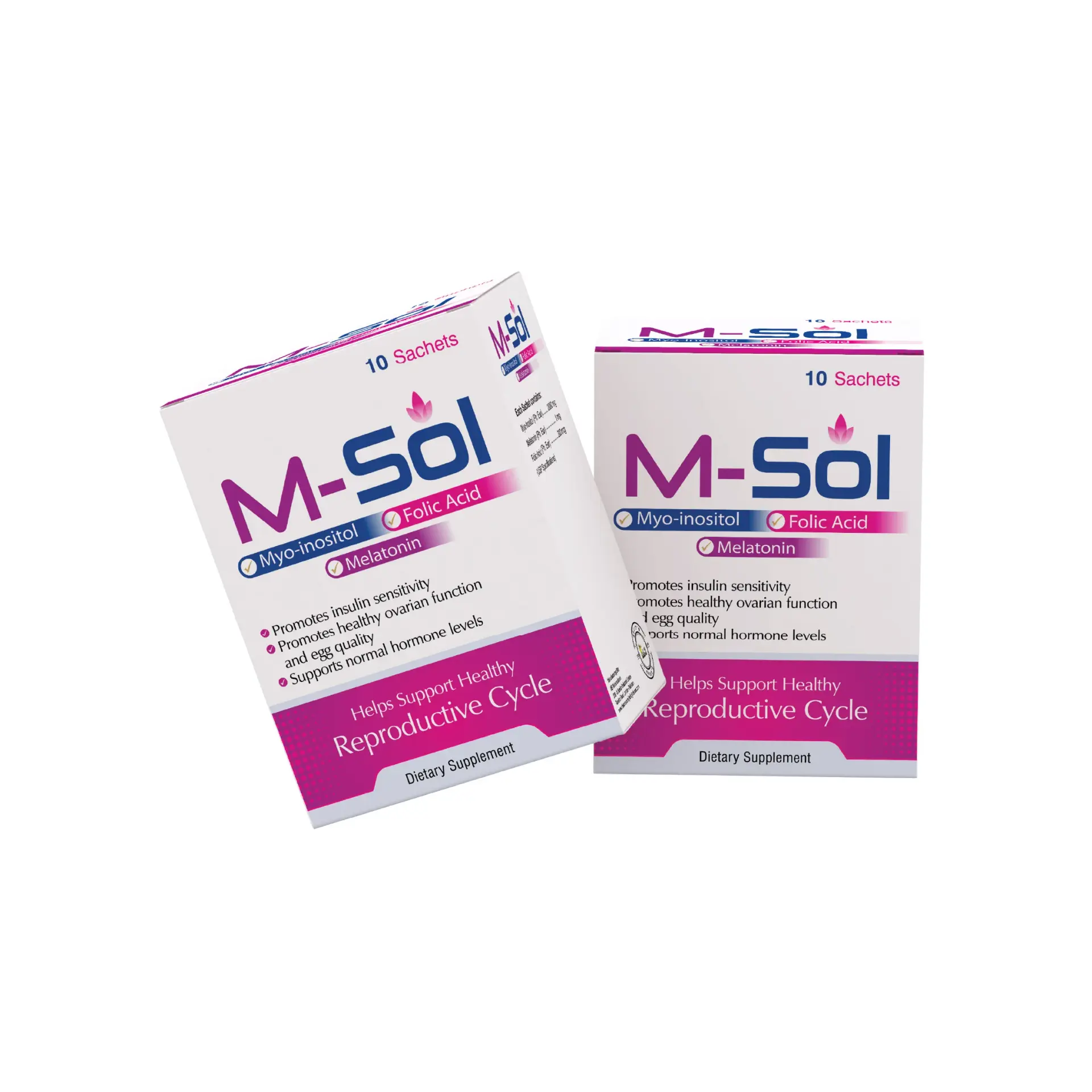
Meanwhile, the price gap stays enormous. An imported myo-inositol supplement for PCOS from a UK brand can run PKR 8,000 to 12,000 for a month's supply. A DRAP-registered local equivalent like M-Sol Sachet delivers the same clinically validated myo-inositol plus D-chiro inositol ratio at a fraction of the cost. The active ingredient is identical. The manufacturing standard is regulated. The price is accessible.
This pattern repeats across categories. Joint supplements. Male vitality formulas. Glutathione for skin. Vitamin D3 combinations. In almost every case, a well-formulated Pakistani supplement delivers the same or equivalent active ingredients at 30 to 60% less cost than a comparable import.
Local Supplements Are Formulated for Pakistani Health Problems
This is where a local formulation has a real edge: it was designed around Pakistan's health profile, which an import made for a European or American market was not.
Pakistan has one of the highest rates of Vitamin D deficiency in the world. Studies suggest 70 to 80% of the population is deficient. This seems odd given our sunshine, but lifestyle factors drive it. Conservative dress, indoor work culture, air pollution in major cities, and low dietary fat intake all play a part.
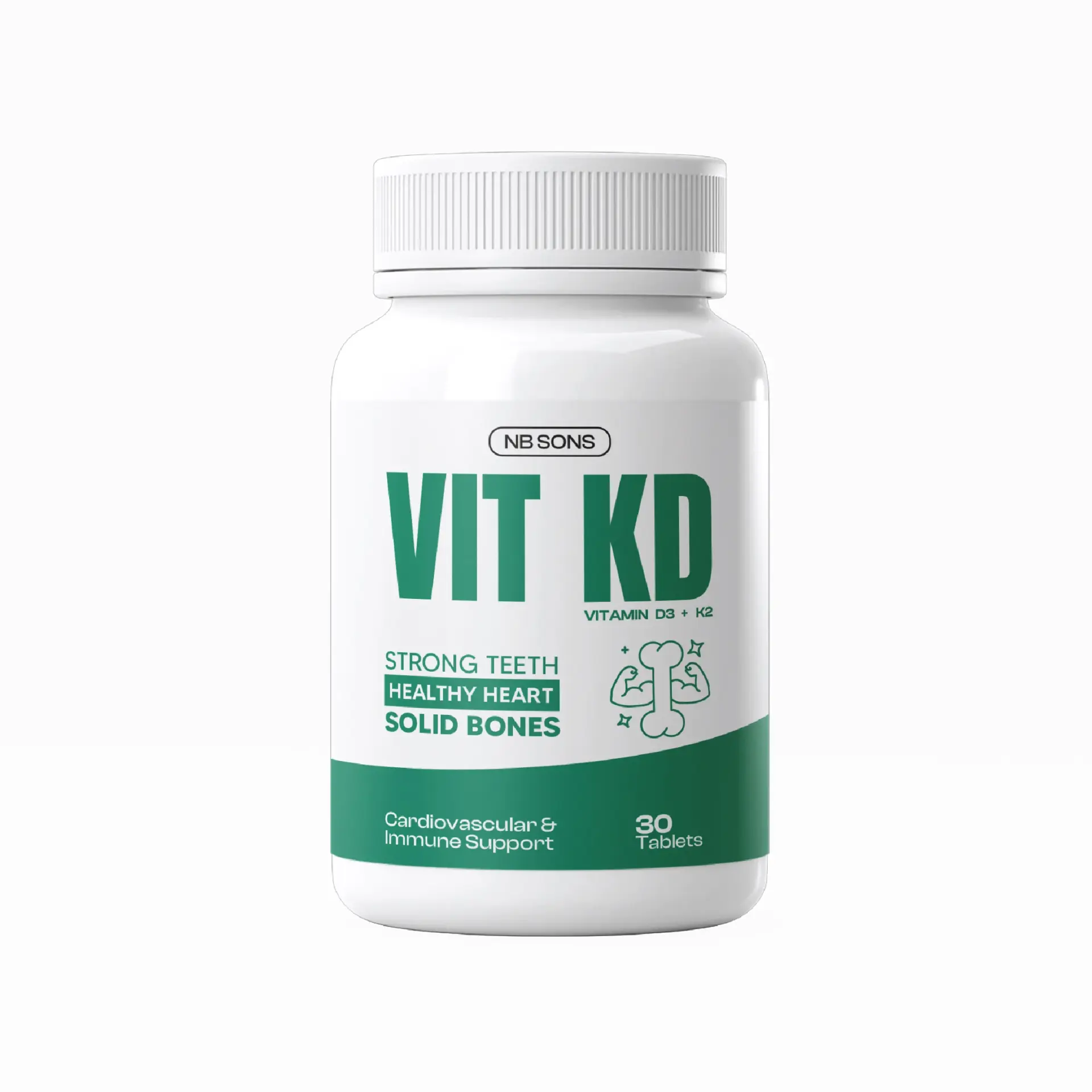
An imported Vitamin D3 supplement at 400 IU might suit someone in Northern Europe. It is woefully underdosed for most Pakistanis. Products like Vit KD, with 10,000 IU of Vitamin D3 plus K2 for safe calcium metabolism, are formulated specifically for this deficiency gap.
PCOS affects an estimated 20 to 30% of Pakistani women of reproductive age. That is well above global averages. It is driven by genetic predisposition, diet (high refined carbohydrate intake), sedentary lifestyle, and stress. Supplements made for Western women with PCOS do not always address the specific insulin resistance patterns common in South Asian PCOS.
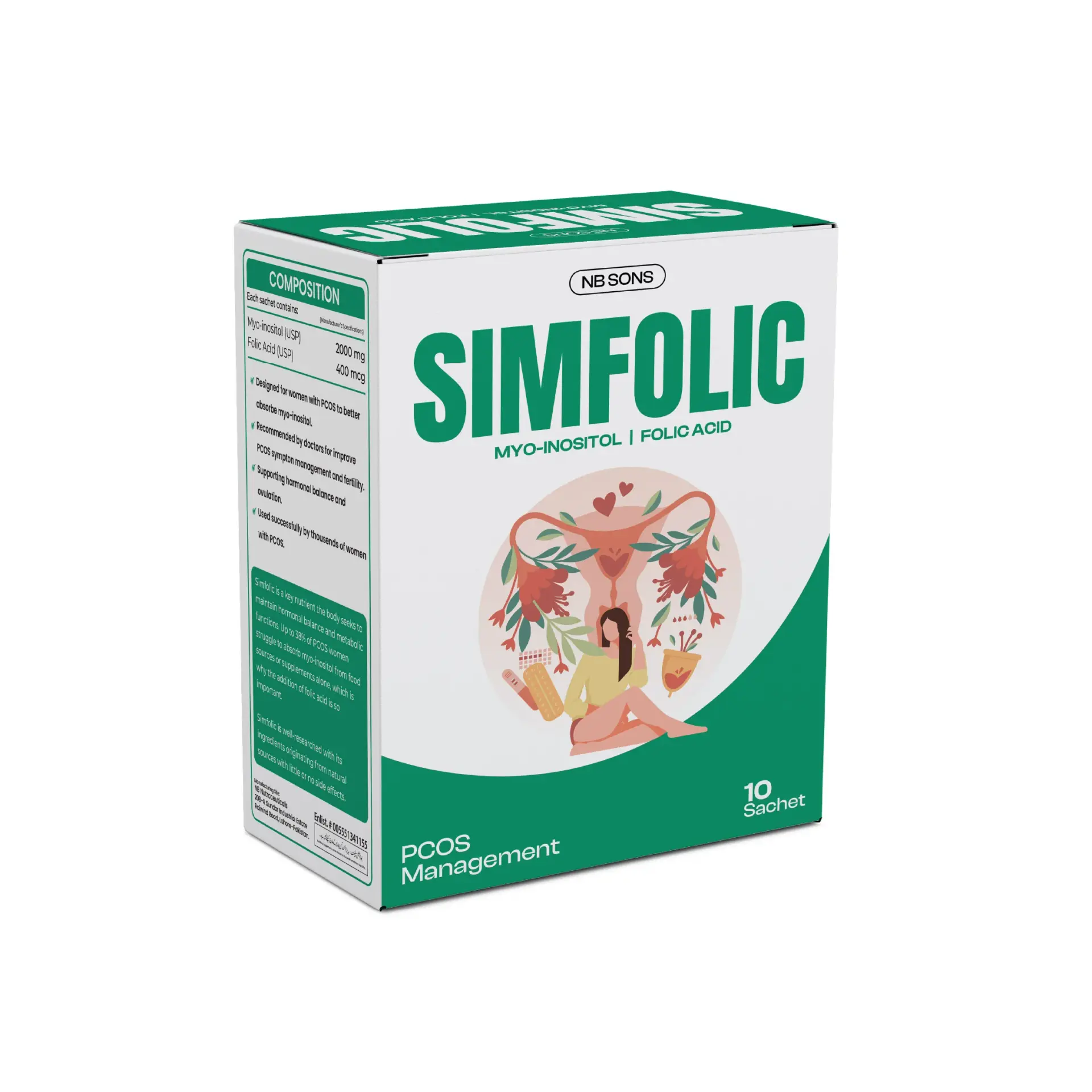
Pakistani formulations like M-Sol and Simfolic are designed with Pakistani gynaecologists and nutritionists who understand this clinical picture.
Male fertility is another area where local context matters. Environmental factors like heat, pollution, and nutritional patterns combine with strong social pressures around fertility in Pakistani culture. This has driven targeted formulations. Argivital and Trimo-M address these needs, with ingredient profiles refined through clinical feedback from Pakistani urologists and fertility specialists.
Bioavailability: What the Label Does Not Tell You
Here is something most supplement marketing glosses over. Bioavailability is the share of a nutrient your body actually absorbs and uses. It can vary dramatically between supplement forms, and it often gets lost in the price-quality debate.
Consider calcium. Cheap imported supplements often use calcium carbonate, the lowest-cost form, with about 20 to 40% bioavailability. Calosent, a Pakistani-made calcium supplement, uses calcium lactate gluconate. That form absorbs efficiently even without food. You might pay slightly more per tablet than a budget import, but you get far more usable calcium per dose.
The same story plays out with magnesium. Standard magnesium oxide, common in cheap supplements, has only about 4% bioavailability. Calco Fit uses magnesium glycinate, the form with the best absorption and the least digestive upset. That is a quality decision, not a budget one.
Glutathione bioavailability is another example. Standard glutathione capsules absorb poorly, because the tripeptide breaks down in the gut before it can be used. Gluthic uses N-acetyl cysteine plus Vitamin C as glutathione precursors. This validated approach raises tissue glutathione levels more effectively than direct supplementation.
These are not accidents. They are formulation decisions made by people who understand the science and want their products to actually work.
DRAP Registration: What It Actually Means
Not all supplements sold in Pakistan are DRAP-registered, and the distinction matters enormously. Imported supplements that arrive through grey channels, such as Daraz listings, social media sellers, and informal import networks, may never have had any regulatory review for the Pakistani market.
DRAP-registered supplements have cleared a process that verifies:
- Ingredient safety, each active and inactive ingredient is reviewed
- Manufacturing standards, GMP compliance is required
- Label accuracy, what is on the label must reflect what is in the product
- Dosage appropriateness, doses are reviewed against safety profiles
- Stability testing, products must hold potency through their shelf life
Buy an imported supplement from a seller who has not gone through this process, and you are trusting a lot. That the manufacturer's self-reported quality is accurate. That the product has not degraded in transit or storage. That the label matches the contents. That is a lot of assumptions.
With DRAP-registered Pakistani supplements, a regulator has independently checked these claims. That accountability protects you.
The Supply Chain Advantage
Supplement potency is genuinely sensitive to storage. Heat, humidity, and light degrade active ingredients, sometimes badly. Think of a Vitamin D3 capsule that spent six weeks in a shipping container in summer heat across the Indian Ocean. Then weeks in an informal warehouse. Then a few days in a courier vehicle. It may have lost a meaningful share of its labelled potency by the time it reaches you.
Pakistani-made supplements distributed through regulated pharmacy channels have shorter, controlled supply chains. From production to temperature-controlled distribution to pharmacy to customer, the chain is shorter and steadier. This is not theoretical. It is one reason pharmaceutical-grade local supplements reliably perform as expected, while the same imported product sometimes does not seem to "work" for buyers.
Where Imports Still Have an Edge
Fairness means admitting where imported supplements genuinely offer something local options do not, yet.
Novel or niche ingredients: Standardised ashwagandha extracts, lion's mane mushroom, specialty adaptogenic blends, and some emerging nootropic compounds are not yet made locally at clinical concentrations. For these categories, a reputable imported brand from an established maker, not a grey-channel reseller, may be the better choice.
Specialised sports nutrition: High-quality whey protein isolate, creatine monohydrate at pharmaceutical purity, and some pre-workout formulas are still largely dominated by established international brands. The local market is developing fast here, but it has not fully caught up.
Third-party testing culture: Some international brands invest heavily in third-party testing (NSF, Informed Sport, USP) and publish their certificates of analysis publicly. This transparency culture is still developing among Pakistani manufacturers, though it is improving.
For everything else, the core health conditions affecting Pakistani adults, local formulations are competitive or superior on both quality and value.
A Practical Comparison: What You Actually Get
| Category | Local Pakistani Option | Typical Import | Price Advantage (Local) | Quality Verdict |
|---|---|---|---|---|
| PCOS Support (myo-inositol) | M-Sol Sachet | Inofolic, Ovacare | 50-65% lower | ✅ Local Equal or Better |
| Skin Brightening (glutathione) | Gluthic | Glutone, Gluta C | 40-60% lower | ✅ Local Equal |
| Vitamin D3 High Dose | Vit KD (10,000 IU + K2) | Various UK/US brands | 45-70% lower | ✅ Local Equal or Better |
| Joint Health | Flex-4 | Jointace, Move Free | 50-60% lower | ✅ Local Equal |
| Male Fertility | Argivital + Trimo-M | Wellman Conception, Tryception | 55-70% lower | ✅ Local Superior (local context) |
| Magnesium Glycinate | Calco Fit | Various UK/US brands | 40-55% lower | ✅ Local Equal |
| Effervescent Vitamin C | Asco C | Berocca, Cenovis | 60-75% lower | ✅ Local Equal |
| Prenatal / Fertility Folate | Fol Chew, Simfolic | Pregnacare, Elevit | 55-70% lower | ✅ Local Equal |
The Real Question Behind the Question
When someone asks "aren't imported supplements better?", they are often really asking something else. "Can I trust Pakistani products to actually work?" That is a completely valid concern, rooted in decades of legitimate quality issues across many product categories in Pakistan.
But supplement manufacturing is different from many other categories. It is tightly regulated, pharmaceutical-adjacent, and deeply technical. The companies making quality Pakistani supplements are run by pharmacists, chemists, and medical professionals who staked their reputations on product quality. They sell to doctors and pharmacists who would instantly drop products that did not perform clinically.
The social proof is there too. Thousands of Pakistani women have reversed PCOS symptoms with local myo-inositol supplements. Thousands of couples have improved fertility outcomes with locally-formulated supplements. Pakistani dermatologists recommend local glutathione products. This is not marketing. It is clinical feedback from a healthcare system that sees results.
How to Choose Well
Whether you choose local or imported, the principles are the same:
- Check regulatory status. For Pakistani supplements, look for DRAP registration. For imports, verify the brand is from a regulated market (UK, US, EU, Australia).
- Evaluate the form of the active ingredient. Magnesium glycinate outperforms magnesium oxide. Vitamin D3 outperforms D2. Methylfolate outperforms folic acid for certain patients. These form differences matter more than brand prestige.
- Read actual ingredient amounts. Some imported supplements have impressive labels with proprietary blends that hide how little of each ingredient is inside. Compare milligrams, not just ingredient names.
- Buy from legitimate channels. Grey-market imports through informal channels carry real risks. Pharmacy-sourced, or sourced directly from registered local distributors, is the safer path.
- Match to your specific need. The best supplement is the one formulated for your condition at the right dose. A generic multivitamin, imported or local, is less valuable than a targeted supplement that addresses your actual deficiency.
The Bottom Line
Pakistani supplements have earned their place beside the imports on our shelves. They are not a budget compromise: DRAP oversight, sensible ingredient forms, and doses set for the deficiencies common here.
For the core concerns affecting Pakistani adults, PCOS, fertility, Vitamin D deficiency, joint health, skin brightening, and male vitality, a well-chosen local supplement performs as well as or better than a comparable import, at a fraction of the cost. The price advantage is not about cutting corners. You are simply not paying import duties, multi-level distributor margins, or a foreign brand's marketing budget.
The question was: are Pakistani supplements better? For the common deficiencies above, a well-chosen local supplement is often the better buy. For novel ingredients, sports nutrition and anything that needs published third-party testing, a reputable import still is.
This article was written and medically reviewed to our medical review board standards and is for general guidance, not personal medical advice. Always speak to a doctor or pharmacist about your own situation.
Shop All Supplements →Frequently asked questions
Are Pakistani supplements DRAP approved?
Quality Pakistani supplement brands sold through pharmacy channels are DRAP registered. DRAP registration requires manufacturers to meet GMP standards, verify ingredient safety, and ensure label accuracy. Always check for registration numbers on the packaging. This is the key quality indicator for supplements made in Pakistan.
Why are Pakistani supplements so much cheaper than imports?
The price difference reflects lower manufacturing costs, no import duties, shorter distribution chains, and no foreign brand marketing premiums. It is not lower quality. When active ingredients, forms, and doses are equivalent, local supplements are genuinely better value. The savings are structural, not a sign of compromise.
Which Pakistani supplements are best for PCOS?
For PCOS management, M-Sol Sachet (myo-inositol plus D-chiro-inositol) and Simfolic (myo-inositol plus folate) are clinically validated options used by Pakistani gynaecologists. Both are DRAP-registered and formulated for the insulin resistance patterns common in South Asian PCOS patients. They compare directly to imported options like Inofolic or Ovacare, at significantly lower cost.
Liked this one? Get the next in your inbox.
One fortnightly note from the editors, new pieces, restocks, and the routines we're actually using. Unsubscribe any time.